
Table of Contents
Introduction:
Posture is the normal position of your body when you are sitting or standing. It shows how your spine, head, hips, and shoulders align. There isn’t any perfect posture, just like no perfect body. A good posture is having a neutral spine, where the muscle groups, ligaments, and joints are all aligned to reduce stress on them. This keeps your body perfectly flexible, helps maintain balance, and reduces fatigue. A 3D body scanner can help you assess where your body has developed a bad shape and needs fixing.
If your posture is not aligned, it can lead to joint or muscle strain, neck, head, and back pain, and injury when working, exercising, or doing other activities. Many people are often suffering from bad posture, and it affects their self-confidence, their appearance, and also their overall well-being. But the good news is that you can help yourself with posture using some exercises and aids.
This article will teach you about lousy posture and how it can influence your life and well-being.
What is Bad Posture?
A bad posture is misaligned body parts, mainly the neck, shoulders, and one’s spinal cord. This happens due to a sedentary lifestyle and poor choices in life. It can affect the quality of life, self-esteem, and everyday life. A bad posture can give you a low quality of life and worsen with time. Using a body fat machine analyzer can be your way out to see where you need therapy.
What Causes Bad Posture?
A bad posture can be developed because of many factors, including spending longer sitting or standing in the wrong position, poor ergonomics at work, weak core muscles, and stress. With time, stiffness, muscle imbalances, and pain may develop due to a bad posture. It may also affect your digestive and respiratory systems, energy levels, and mood. It may also contribute to chronic conditions such as spinal and arthritis; hence, maintaining a strong posture is vital for your well-being and overall health.
What are the Signs of Bad Posture?
Rounded shoulders:
Rounded schedulers are a visible sign of lousy posture as they represent the shoulders hunched ahead and the upper part of the back curved. This posture then puts a lot of strain on the neck, upper back, and shoulders. This causes them to be tight and can lead to discomfort and pain. Rounded shoulders may also cause compression of one’s chest, which may limit the capacity of the lungs and affect breathing. One can correct rounded shoulders by:- Strengthening the upper back muscles
- Stretching the chest muscles
- Marinating ideal posture in everyday activities
Forward head posture:
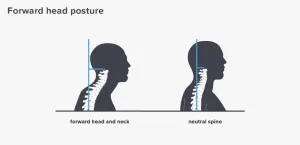
Forward head posture is a sign of bad posture as it includes positioning the head right in front of the shoulders and not marinating it balanced, posting directly on them. This posture may cause additional pressure on the neck joints and muscles, resulting in headaches, stiffness, and neck pain. Hence, it can also impact breathing and spinal alignment. This can be fixed by the following:- Strengthening your neck muscles
- Stretching upper back and chest muscles
- Being highly mindful of maintaining the right neck and head alignment in daily activities
Hunchback:
It means having excessive rounding of one’s upper back, which creates the appearance of a hunchback. This posture might come from weak upper back muscles and more extended periods of standing or sitting in a bad posture. A hunched-back posture might also bring pain and discomfort in your neck, muscles, and upper back, which leads to breathing issues.Slouching:
Slouching means you have a forward-leaning posture of your upper back and shoulders. Weak abdomen and back muscles, longer durations of sitting, and bad workstation ergonomics may cause this posture. Slouching places more pressure on the spinal disc, resulting in potential pain and discomfort in the neck, shoulders, and back. It might also affect digestion and reduce lung capacity.Why is Bad Posture Harmful?
Bad posture looks terrible and leaves deteriorating impacts on human bodies in life. It can lead to many physical issues, from back pain in your joints to a lack of balance and foot pronation. It can cause different problems like the tightness of neck muscles, lack of digestion, and loss of posture eventually. Some physical disorders also include flat back, sway back, and kyphosis. You will also need a body fat analyzer to assess if you have an unhealthy amount of fat in your body that may cause you a bad posture.
Can Bad Posture be Corrected?
Bad posture can be corrected if you start doing it in the early years. The first step is to be aware of your daily habits that may give you a bad posture. You might need to be sitting, lying, or standing up correctly. You have to be mindful of what you’re doing in your everyday routine. Some simple cures include:
- Change your workstation configuration
- Change your chair and also the way you sit
- Change the position in which you look at the phone
- Buy new mattresses
- Stay mindful when you are standing and sitting
- Instead of high heels, go for wedges, flats, and other supportive footwear
- Breath deeply
- Practice walking ideally
What Exercises Help Improve Posture?
Stretching:
Your doctor might advise you to see a therapist. You will be suggested to develop routine stretch habits and exercises to strengthen your muscle groups, which will help you sit or stand properly. Yoga will help, too. Any physical therapist might check your posture and see whether you are doing the exercises ideally or not. Many stretching and exercise routines have been proven helpful for balance and posture. You will find some that suit your ability and schedule.Posture correctors:
Your physical therapist might also suggest you use a posture corrector appliance for some posture issues. You might also need a 3D body scanner to assess which body parts are in bad shape. You might need a posture brace and taping that will help with hyperkyphosis. Or have a shoe lift, which will help you equalize the leg length, improve your walk, and help you stand straight.How Does Prolonged Sitting Affect Posture?
Your legs, back, and hips will not support the body if you sit longer. You might get lousy posture even while sitting in bad shape. Sitting causes the hip flexor muscles to get shortened, which may lead to issues in your hip joints. Sitting for more extended periods may also cause problems with the spinal cord, mainly if you sit consistently in a bad posture and don’t use ergonomically designed furniture for your workstation. Bad posture might cause spine health, including compression in the spine’s discs. This leads to premature degeneration, which might be highly painful. A 3D body scanner can be your best bet to assess your body thoroughly.
This is why you must be cautious and use good workstation furniture that helps you stand in a good posture even when you forget your posture for a while. A sedentary lifestyle is bad for all aspects of our body and mind, leading to poor posture over time.
How Can I Improve My Posture While Working at a Desk?
If you spend most of your time sitting at a desk, you should be mindful of your ergonomics. Sitting for longer durations in a bad posture will eventually leave unchangeable impacts on your body that won’t go away quickly. You might have stiff neck or back tissues due to the wrong chair or looking way up on the monitor screen than your eye level. These impacts will make your posture stay hunched permanently if you don’t take precautions in time.
How Long Does It Take to Correct Bad Posture?
The time it takes to fix bad posture is different based on the severity of your issue and other individual factors. These include practising good posture very often. Changing your posture resulting from prolonged unhealthy physical habits of sitting or standing for longer durations can take weeks to even months of dedicated effort.
How do I assess if I have a bad posture?
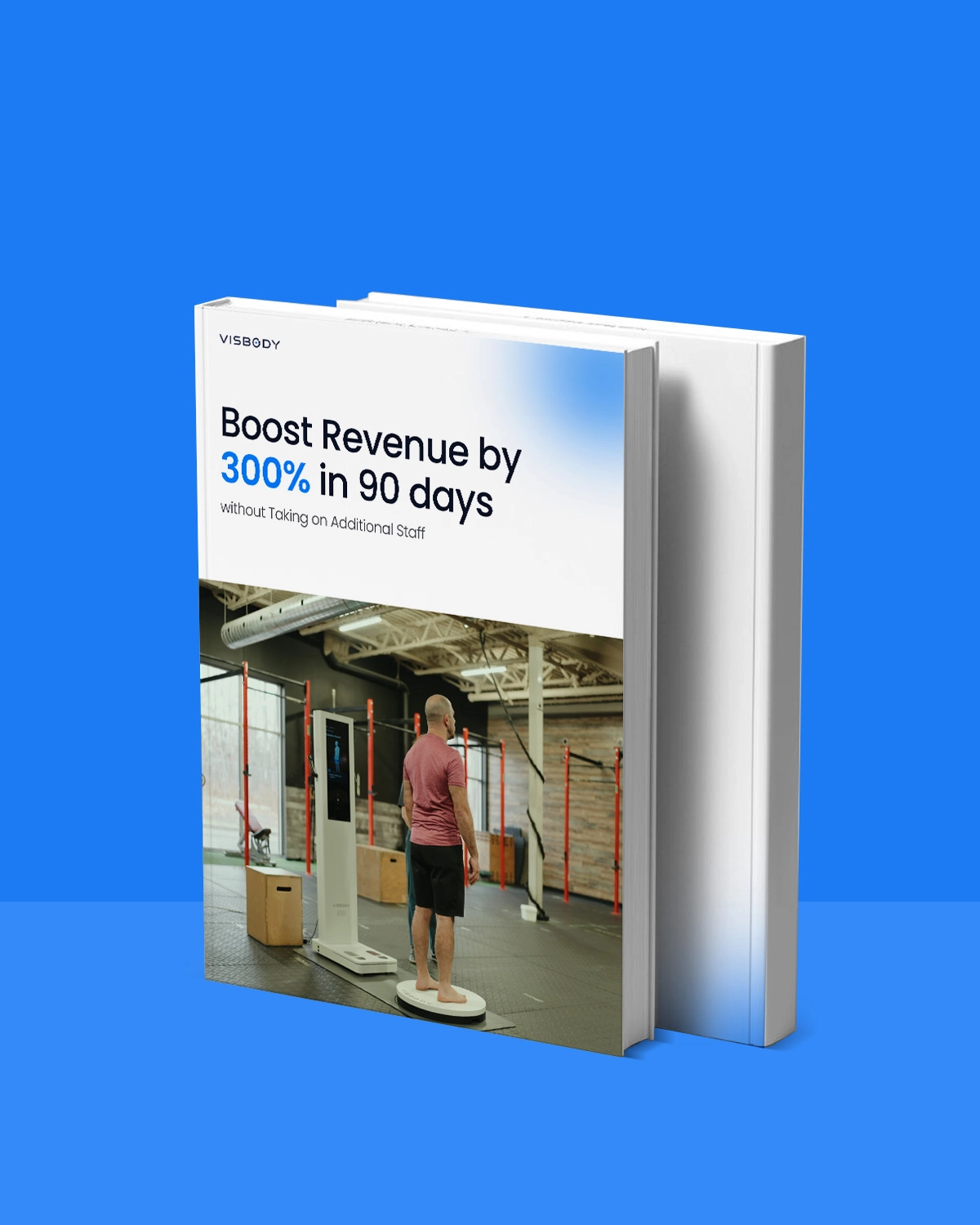
A full body 3d scanner can do the job in the best way. Visbody provides a high-quality 3D body scanner that can assess you from all around and show you where your body is aching and has a bad posture. Visbody is like your personal body expert, using technology to understand and measure how you’re doing. Imagine having a friend who understands your body and tells you how you’re doing health-wise. That’s what Visbody does!
After analyzing your body, the reports generated by the 3D body scanner can be used by your doctor or healthcare professional, who will suggest appropriate workouts to fix your bad posture. Medical professionals worldwide use the high-tech 3d body scanner in gyms, clinics, hotels, resorts, and spas in more than 40 countries.