
The Risks of Incorrect Running Posture
Table of Contents
1.Introduction
For everyone, having a good posture is essential. It permits unrestricted nerve transmission from your brain to your muscles, joints, organs, veins, and more. It makes space for your organs to operate normally. It permits your ligaments, joints, and muscles to move properly. Poor posture is all too common when running, especially when tired. Running is a repeated exercise frequently done for extended periods under stress. When else in your life are you performing the same exercise for that length of time while your heart rate is elevated? It’s tense! It’s important to take care of your posture in addition to training for endurance. It is particularly crucial for runners who work at a desk or spend most of the day seated and flexed. Here are some key points highlighting the importance of correct running posture:
- Maintaining good posture promotes excellent biomechanics, guaranteeing effective energy transition from one step to the next. Maintaining a steady pace and preserving energy is easier with a balanced and aligned body position throughout a run.
- Maintaining proper posture prevents muscle imbalances and distributes the burden evenly across the right muscles. It improves general strength and endurance, which enhances running performance.
- Overuse injuries such as shin splints, knee pain, and lower back pain can be brought on by poor posture. Running-related chronic injuries are less likely to occur when joints are properly aligned.
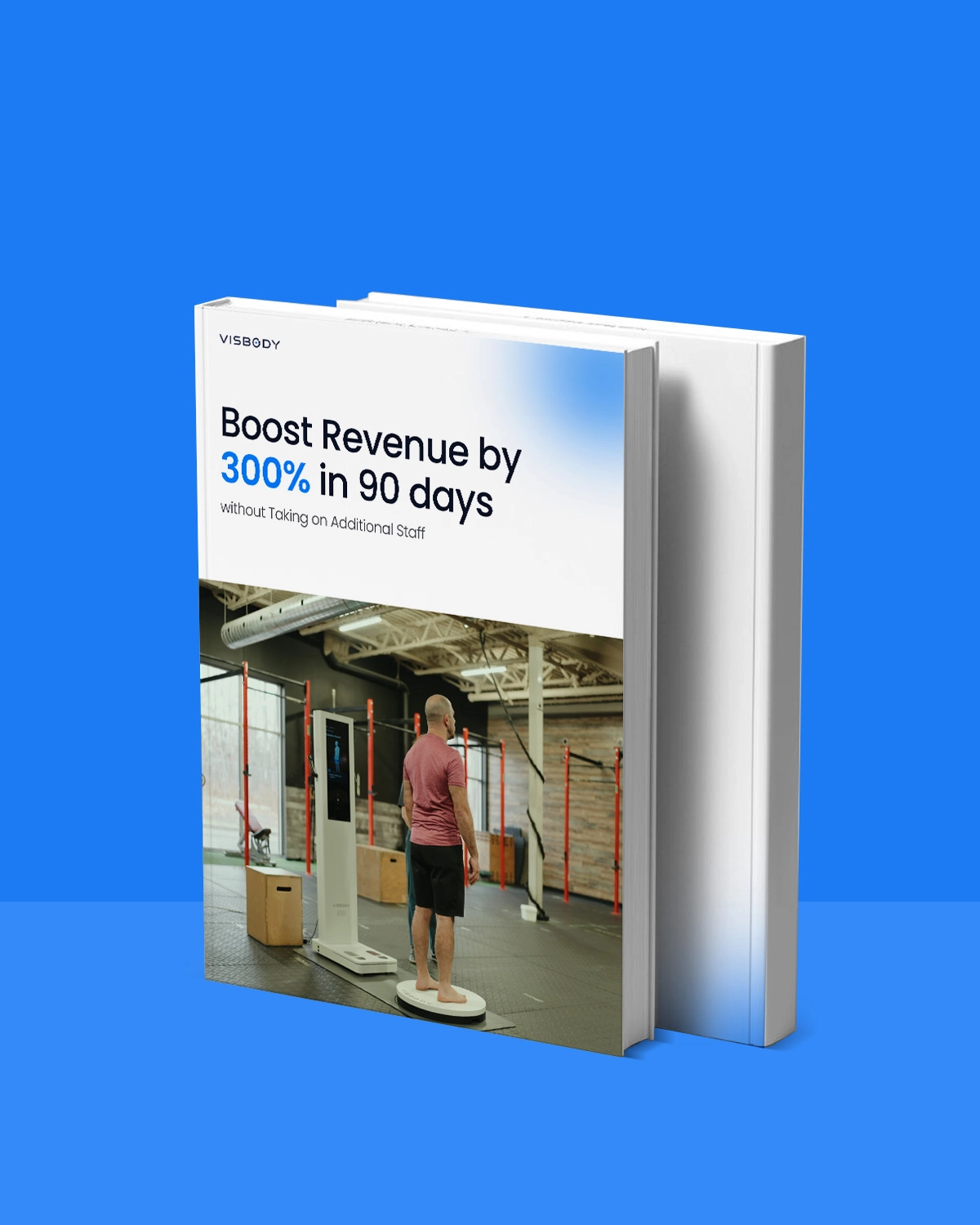
Let me present the VCreator600 as a useful posture assessment tool: The advanced posture assessment instrument VCreator600 gives precise information on a person’s running posture. That is why it’s an important tool for runners.
- Thanks to its advanced sensors, the VCreator600 offers a thorough examination of multiple aspects of posture, such as body alignment, stride length, and foot placement.
- It’s a useful tool for long-term performance development and injury avoidance because users may monitor their improvement in posture over time.
- With the VCreator600’s real-time running posture feedback, users may make quick corrections and advancements in their form.
- It’s a useful tool for long-term performance development and injury avoidance because users may monitor their improvement in posture over time.
2.What should be the posture for running?
By improving your running form, you can run more quickly, more effectively, and more comfortably, with less strain on your body and a lower chance of injury. Maintaining good running form guarantees that you are getting the most out of every run and lowers your chance of weariness. Work on refining your form by using these pointers.
- Keep your eyes off your feet. Your eyes should be fixed on the ground about ten to twenty feet in front of you. It is not just good form when running but also safer because you can see what’s coming and prevent falls.
- Aim to maintain your hands at waist height, just slightly above your hips. Pose with your arms at a ninety-degree angle. Some beginners tend to keep their hands quite high on their chest when they feel fatigued.
- Check your shoulders’ posture regularly to ensure they remain relaxed. If you find yourself shrugging again, go back and perform the shoulder-blade squeeze technique.
- Keep your hands and arms as loose as you can when you run. Keep your hands from clenching into fists. The strain will travel up your arms, into your shoulders, and finally up to your neck if you are gripping your fists.
- Now and then, check your posture. It’s common to slump a little at the end of a run when you’re exhausted, which can cause pain in your neck, shoulders, and lower back. Peek out your chest if you catch yourself slouching. Additionally, heel-strike donning zero-drop running shoes can avoid heel-strike running.
3.Common Running Form Mistakes and Their Risks
Sustaining appropriate running form is crucial for optimising efficiency and reducing the likelihood of harm. The following list of common running posture mistakes and the health hazards they pose is provided:
- Overuse of Arm Movement:
Health Risks: Excessive arm swinging might waste energy and lead to strain on the neck and shoulders. Muscle soreness and reduced running efficiency could result from it.
- Disregarding Pain:
Health Risks: Chronic injuries might arise due to ignoring ongoing discomfort. Treating discomfort as soon as possible is critical to avoid long-term harm.
- Insufficient Core Engagement
Health Risks: Excessive side-to-side movement brought on by inadequate core stability increases the risk of injury and strain on the lower back.
- Striking with the heels:
Health Risks: Landing heavily on the heels increases the risk of shin splints, stress fractures, and other impact-related illnesses because it transfers excessive shock through the lower limbs.
4.Physical Impacts of Poor Running Form
Running offers myriad benefits, from cardiovascular health to mental well-being. However, the advantages can be significantly undermined by poor running form, leading to a range of physical issues that can impede progress and cause long-term harm. Common Physical Impacts:
- Joint Stress:Incorrect posture and foot placement can lead to excessive stress on the knees, hips, and ankles. This often results in joint pain, arthritis, or more severe injuries like ACL tears.
- Muscle Imbalances:Poor form can cause certain muscles to overcompensate for others, leading to imbalances. Over time, this can lead to strains and chronic conditions like IT band syndrome.
- Increased Fatigue:An inefficient running form forces your body to expend more energy, leading to quicker exhaustion. This not only affects your running performance but can also discourage consistent exercise due to increased recovery times.
5.VCreator600's Role in Running Posture Analysis
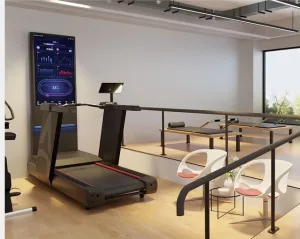
Many running posture analysis systems collect movement data from runners using wearable technology and motion sensors. Accelerometers, gyroscopes, and magnetometers are a few examples of these sensors. VCreator600 is a 3D intelligent running evaluation device, that gathers information on the user’s running posture and gait. The length of the stride, cadence, foot strike pattern, and general body posture can all be included. It utilizes depth cameras and AI artificial intelligence technology in combination with real-time analysis of the Runner’s Posture to give the runner feedback in real-time.
6.Improving Running Posture with VCreator600
-
- Keep Your Line Straight:
Make sure your feet, hips, shoulders, and head are all in alignment. Refrain from bending too much forward or backwards.
-
- Let Your Shoulders Drop:
Maintain a calm, downcast posture. Shoulder tension can have an impact on your running efficiency and general posture.
-
- Activate Your Core:
To provide your spine stability and support, engage your core muscles. It aids in keeping your posture straight.
-
- Aim Ahead:
Look forward rather than down at your feet. You can keep your posture more erect and natural by looking forward.
-
- Cut Your Steps Shorter:
Excessive striding can result in poor form and raise the possibility of harm. Concentrate on taking shorter, faster steps for a more effective and steady run.
-
- Position of the Foot:
Put your feet behind you, not in front of you. It facilitates a smoother running motion and lessens the need for braking forces.
-
- Frequent Exercises to Strengthen:
Incorporate workouts that focus on the muscles in your legs, hips, and core that are engaged when running. Stability and shape can be enhanced overall by strengthening these regions.
7.Expert Insights
Expert viewpoints on running form stress the importance of keeping the proper form to improve overall health, avoid injuries, and improve performance. The following are some essential details about the appropriate running form:
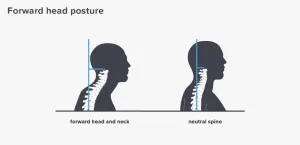
- Alignment: Maintain a straight posture with your head, shoulders, and hips. Refrain from bending too much forward or backwards.
- Head Position: Maintain a neutral head posture while gazing directly ahead. Keep your head from tilting up or down, as this can cause an alignment problem with your spine.
- Shoulder Position: To prevent strain, keep your shoulders down and relaxed. Continue to slant slightly forward from your ankles rather than your waist.
- Arm Swing: Let your arms hang down by your sides naturally. Avoid crossing your arms in front of your torso and maintain a 90-degree elbow bend.
- Hand Position: Keep your hands in a loose fist and try not to tense them too much. As you swing, your hands should barely touch your hip.
- Core Engagement: To give your spine stability and support, engage your core muscles. It may lessen the likelihood of excessive rotation or swaying.
- Align your hips and pelvis to parallel the floor and point forward. Refrain from excessively turning your hips with every step.