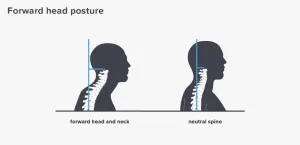
Like the proverbial iceberg, the real depth and significance of posture are hidden beneath the surface. Aesthetics aside, correct posture has far-reaching effects on functional mobility, pain management, and mental health.
While trying to find a complete way to evaluate a person’s posture, healthcare professionals have long been frustrated by the limitations of traditional methods. For a full understanding of the biomechanical details at work, subjective visual inspections and physical palpation do not always suffice.
This is where 3D body scanning technology really shines and changes things. Thanks to 3D scanners, which record precise, objective data on skeletal structure, muscular imbalances, and joint range of motion, healthcare providers can now identify posture abnormalities with a level of accuracy and detail never seen before.
The article explores the potential game-changing applications of 3D scanners in medical treatment. Using Visbody’s cutting-edge technologies (the first of their kind) as an example, we look at how this technology allows for a data-driven method of posture evaluation, which leads to tailored treatments, more effective treatment programs, and better health outcomes for patients.
Table of Contents
Synergizing Technology with Professional Expertise
For decades, physiotherapists and chiropractors have relied on the human eye, manual palpation, and maybe a 2D X-ray or two to assess posture. While these methods offer valuable insights, they often fall short in terms of accuracy, objectivity, and detail.
The limitations of traditional posture assessment:
- Subjectivity: A practitioner’s perception can be influenced by experience, fatigue, inconsistencies, and even personal biases.
- Static snapshots: A single X-ray or observation misses the dynamic complexities of human movement and its impact on posture.
- Limited data: Traditional methods often lack quantitative data on specific angles, ranges of motion, and muscle imbalances.
- Communication hurdles: Explaining complex postural deviations to patients can be challenging without visual aids.
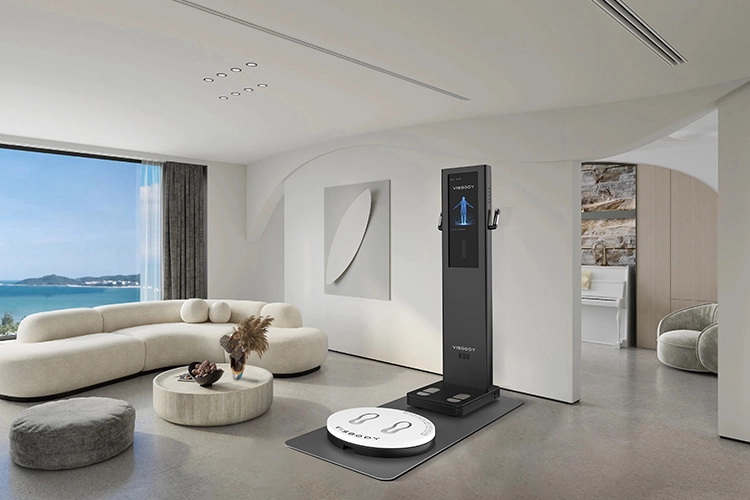
Therefore, posture experts like physiotherapists, osteopaths, and chiropractors need devices like the Visbody 3D scanner, which is a full-body 3D scanner that can measure and analyze different aspects of posture health.
A 3D scanner can enhance and support the work of posture experts by providing them with:
- Objective, precise, and comprehensive data on the body’s status, circumferences, joint function, dynamic function, and static postures.
- The ability to identify and correct postural deviations, such as scoliosis, kyphosis, or lordosis, by showing the degree and direction of spinal curvature.
- The ability to monitor and evaluate the progress and effectiveness of their interventions, such as exercises, stretches, or manipulations, by showing the changes in the body’s alignment, balance, and symmetry.
- The ability to educate and motivate their clients by displaying 3D body avatars and body reports that highlight the benefits of posture health and areas for improvement.
Technological Innovations in Posture Analysis
For decades, posture analysis has remained largely confined to static snapshots, offering a limited glimpse into the complex interplay of muscles and bones in motion.
But Visbody’s 3D body scanners rewrite the narrative with the ability to measure and assess different body compositions and functions, ushering in a new era of dynamic insights through a suite of innovative features.
The full-body 3D scanner:
- Uses dynamic 3D reconstruction technology, which can reconstruct a 3D model of the body from a series of 2D images taken from different angles.
- Can scan the body in record speed.
- Can generate accurate 3D body avatars and reliable body reports.
- Produces 3D body avatars that show the body’s shape, size, symmetry, and posture from different perspectives.
- Gives body reports that show the body’s measurements like height, weight, BMI, body fat percentage, and body’s functions like joint function, dynamic function, and static postures.
- Can generate baseline posture metrics tailored to each patient’s age, gender, and body composition for truly personalized care.
- Combined with AI, it can accurately identify and classify postural deviations, streamlining diagnoses and prioritizing interventions.
The full-body 3D scanner has many advantages over other posture analysis tools, such as:
Precision: It provides accurate and reliable results using a body composition analyzer that can calculate the body’s fat percentage, muscle mass, bone density, and other indicators.
Speed: With its user-friendly scanner, it can collect and analyze the body’s data in under a minute. This can save time and resources for both the posture experts and their clients, as well as increase the efficiency and quality of care.
Convenience: The full-body 3D scanner is compact and easy to use, making it ideal for a wide range of locations, including hospitals, health centers, medical rehabilitation clinics, and fitness centers. As a result, more people will be able to use posture analysis for fitness, wellness, and rehabilitation purposes, among others.
Affordability: Using a long-lasting and reasonably priced body scanner device, this provides a cost-effective solution over time.
Integrating 3D Scanners in Clinical Practice
1. Training and Support:
Effective implementation hinges on proper training for healthcare professionals. Visbody offers comprehensive training programs that cover scanner operation, data interpretation, and clinical applications. Additionally, ongoing support resources and webinars ensure practitioners continue to leverage the technology’s full potential.2. Workflow Integration
The importance of seamless integration with existing clinical software cannot be overestimated. To compensate, Visbody scanners are PMS-compatible (patient management systems), making data import and report generation simple. This makes it easy for professionals to integrate 3D data into their current processes with little interference from their workflow.3. Cost Considerations:
The initial investment in 3D scanner technology is a valid concern. However, it’s crucial to consider the long-term benefits. A 3D body scanner offers flexible pricing models to suit different clinic needs, and the potential return on investment can be significant. Improved diagnostic accuracy, personalized treatment plans, and increased patient engagement can lead to improved outcomes, reduced patient churn, and increased revenue. Once all these details are taken care of, healthcare providers will be able to confidently use 3D scanners in their practices. The results will be better patient outcomes and empowered posture care in the future.Future Trends in Posture Health
Preventative Focus
Early detection of postural imbalances is key to preventing musculoskeletal problems that cost billions of dollars annually. 3D scans provide objective data to identify subtle deviations before symptoms arise, potentially saving millions in healthcare costs.Personalized Interventions
One-size-fits-all exercise programs are fading into the past. 3D data empowers healthcare professionals to design personalized therapy plans that address individual needs and imbalances, leading to faster progress and better outcomes.Empowered Patients
Knowledge is power, and 3D technology helps patients understand their posture better. Interactive 3D avatars and detailed reports create a shared understanding, fueling increased engagement in self-management strategies for maintaining good posture. Others are:Improved Accessibility
Full-body 3D scanner machines are becoming increasingly affordable and user-friendly, making them accessible not just to high-end clinics but also to smaller practices and even individuals.Enhanced Quality of Care
Objective data analysis and detailed visual aids lead to more accurate diagnoses, optimized treatment plans, and better monitoring of progress.Boosted Efficiency
Streamlined workflows, automated reports, and remote consultations will dramatically improve the efficiency of posture care, allowing professionals to reach more patients.Actionable Tips for Embracing the 3D Revolution
Stay informed
Follow industry trends and research regarding 3D technology and its applications in posture health.Explore options
Visbody’s 3D scanners still remain the primary 3D solution for professionals’ needs and budgets.Upskill your team
Invest in training for your healthcare professionals to ensure proficiency in operating and interpreting 3D data.Embrace collaboration
Partner with technology providers like Visbody to leverage their expertise and resources.Conclusion
For too long, posture has been shrouded in subjectivity, guesswork, and a sense of powerlessness. However, 3D technology and empowered well-being will shape a new narrative in the future.
Visbody’s scanners are more than just instruments; they act as beacons that shed light on the path toward a groundbreaking comprehension of posture health.
As healthcare professionals, the time to act is now. Embrace the transformative potential of 3D technology. Equip your practice with the tools to diagnose hidden imbalances, personalize interventions, and empower your patients to stand tall.
Be an early adopter of a future where posture health is not merely reactive, but proactive, shaping lives from the inside out.