It has long been a difficult puzzle for healthcare providers to identify postural disturbances and how they affect health. Visual checks offer limited glimpses, radiographs expose patients to radiation, and even instrumented tests lack the dynamic insights needed for precision. This is where Visbody 3D scanning technology, a game-changer poised to redefine posture assessment, comes in.
The truth remains that proper alignment translates to pain-free movement, enhanced balance, and even improved cognition. Yet, studies show that up to 80% of adults suffer from posture-related issues. Visbody tackles this challenge head-on, capturing objective data and dynamic movement patterns in stunning detail.
No more guesswork. No more static snapshots. Visbody empowers healthcare professionals to diagnose imbalances with unparalleled accuracy, design personalized interventions with confidence, and guide their patients toward a future of empowered well-being.
Table of Contents
4 Major Methodologies for Postural Assessment
Each approach to postural assessment, from traditional visual observation to cutting-edge 3D body scanning, brings a distinct perspective to the complex language of the human form.
Here are the four major methodologies:
- Visual Observation/Posture Analysis Grids
- Radiography
- Instrumented Tests Using Kinetic Devices
- 3D Body Scanning
Benefits and limitations of each method
Visual Observation/Posture Analysis Grids
For centuries, the human eye has been our primary tool for reading the language of posture.
Visual observation, often aided by posture analysis grids, remains a cornerstone of posture assessment, readily available and accessible in any clinical setting. Its strengths lie in its simplicity and immediate results.
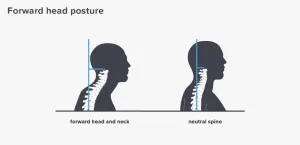
A trained professional can quickly identify obvious postural deviations, such as rounded shoulders, forward head posture, or uneven hips. This makes it ideal for initial screenings and gross evaluations, particularly for common postural issues.
Benefits
Accessibility: No fancy equipment or specialist training is required, as it is readily available even in resource-limited settings.
Real-time feedback: Provides immediate insights into posture, which makes in-the-moment adjustments and corrections possible.
Cost-effective: Requires no additional investment beyond the initial training for healthcare professionals.
Dynamic assessment: While static grids offer a snapshot, observation can be adapted to capture movement patterns to some degree.
Limitations:
Subjectivity: Relies heavily on the skill and experience of the professional, leading to potential inconsistencies and variability in assessments.
Limited accuracy: Can easily miss subtle deviations or misinterpret complex postural patterns.
Qualitative data: Lacks objective measurements, making it difficult to track progress and quantify improvements.
Incomplete picture: Often overlooks underlying muscle imbalances and biomechanical factors contributing to posture.
Visual observation, while a valuable starting point, can be likened to a first draft. It provides a general outline but lacks the detail and precision needed for a comprehensive understanding of posture.
Radiography
For many years, radiographs have been a reliable tool in the fight to decipher posture. Their ability to peer through the flesh and reveal the intricate architecture of bones offers unparalleled insights into the skeletal underpinnings of our alignment.
This is particularly valuable in diagnosing specific conditions like spinal misalignments, fractures, or joint abnormalities that contribute to postural issues.
Benefits
Detailed visualization: Obtains a clear picture of the bones and how they connect, which helps spot abnormalities in alignment.
Diagnostic power: Can pinpoint specific diagnoses like scoliosis, kyphosis, or lordosis, guiding treatment plans and monitoring progress.
Objective data: Offers quantifiable measurements of bone angles and distances that provide a more objective picture compared to visual observation.
Historical comparison: Previous radiographs can be used to track changes in bone alignment over time, aiding in treatment evaluation.
Limitation
Radiation exposure: Repeated radiological tests carry a risk of radiation exposure, raising concerns about long-term health effects, particularly for younger patients.
Static snapshots: Captures a single moment in time, overlooking the dynamic nature of posture and potential compensatory movements.
Limited soft tissue visibility: Primarily reveals bones, offering little insight into muscle imbalances or other soft tissue factors influencing posture.
Cost and accessibility: Requires specialized equipment and trained personnel, making it a more expensive and less accessible option compared to other methods.
Radiography remains a valuable tool in the repertoire of posture assessment, particularly for diagnosing specific structural abnormalities.
However, its limitations in terms of radiation exposure, dynamic movement analysis, and soft tissue visualization highlight the need for complementary approaches that offer a more comprehensive picture of posture.
Instrumented Tests Using Kinetic Devices
For people who want to learn more about the biomechanics of posture, instrumented tests using kinetic devices can show how muscles and forces interact in real time.
These tests, often employing goniometers to measure joint angles and force plates to assess muscle activation, provide objective data on how the body moves and generates force.
This level of precision is invaluable in identifying subtle muscle imbalances, assessing functional movement patterns, and monitoring progress over time.
Benefits
Quantitative analysis: Delivers precise measurements of joint angles, range of motion, and muscle activation patterns, which in turn allows objective comparison and tracking of changes.
Functional assessment: Captures dynamic movement patterns like squats, lunges, and gait and how posture translates into functional activities.
Biomechanical insights: Provides data on muscle imbalances, joint stability, and force distribution that guides targeted interventions and optimizes rehabilitation programs.
Objective data: Eliminates subjectivity and potential biases, ensuring consistent and reliable assessments across different professionals and settings.
Limitations
Cost and complexity: Requires specialized equipment and trained personnel. This makes it a more expensive option compared to other methods.
Time-consuming: Setting up and conducting tests can be time-intensive and this limits their practicality in busy clinical settings.
Limited accessibility:
The availability is reduced because not all healthcare facilities possess the required equipment and expertise.
Static analysis:
While some devices capture dynamic movements, the focus is often on specific angles and forces within a controlled environment, potentially overlooking broader postural patterns.
3D Body Scanning
While traditional methods hold merit, they often feel like peering through a keyhole, offering glimpses but not the full breadth of the postural landscape.
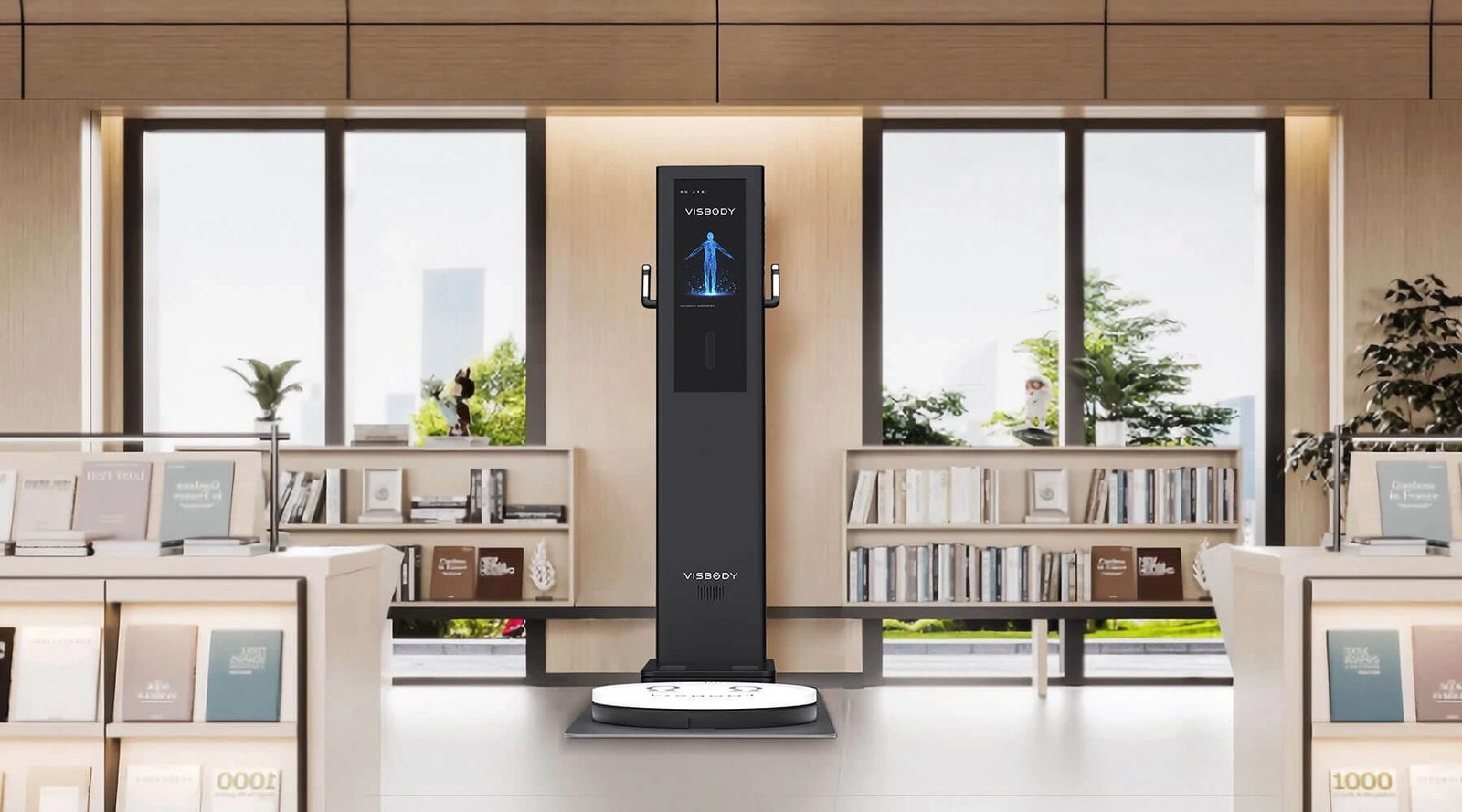
This is where 3D body scanning, spearheaded by Visbody’s innovative technology, emerges as a revolutionary force, transforming posture assessment from fragmented snapshots to a dynamic, data-driven masterpiece.
Imagine capturing real-time movements alongside static postures, revealing not just how a patient stands but how their alignment translates into functional activities. Visbody’s scanners go beyond surface-level deviations, pinpointing subtle muscle imbalances and biomechanical inefficiencies that often elude other methods.
Benefits
Unparalleled Precision: By removing human bias, objective 3D data allows for more trustworthy evaluations in different contexts and fields.
Dynamic Insights: Better diagnoses and treatments are possible with the use of real-time movement capture, which reveals hidden postural issues that static evaluations overlook.
Personalized Care: Generate baseline posture metrics tailored to individual age, gender, and body composition, which guarantees that interventions are optimally targeted and efficient.
Data-Driven Treatment: Track progress over time with detailed reports and visual comparisons of 3D scans, guiding treatment refinement and motivating patients.
Enhanced Communication: Help patients better understand and take responsibility of their health by providing them with postural data in an interesting and easy-to-understand style..
Limitations
Initial Investment: The initial cost of acquiring 3D scanning equipment may be higher than some traditional methods.
Learning Curve: Some experts may need to undergo preliminary training before they can operate and understand the results of 3D scans.
These limitations, however, pale in comparison to the transformative potential of Visbody’s technology.
The use of 3D scanning technology has revolutionized the way healthcare practitioners diagnose ailments, personalize interventions, and guide patients towards empowered well-being. It reveals the hidden elements of posture with remarkable precision and dynamism.
Integrating 3D Body Scanners in Postural Assessments
Integrating any technology smoothly is critical for its success in the clinical setting. Because of this, Visbody’s 3D scanners are built to integrate with different current processes in a way that won’t interrupt them. This would allow all involved to acquire useful insights without having to sacrifice valuable time.
Quick Scans: Capture detailed 3D scans very fast and minimize disruption to your appointment schedule.
Intuitive Software: Visbody’s user-friendly interface guides through the scanning process, making it easy for staff to adopt.
Flexible Reporting: Generate comprehensive reports with 3D visualizations, posture analysis, and personalized recommendations, all within the platform.
Data Integration: Export scan data seamlessly to your existing electronic health records and keep your records comprehensive and unified.
Precise Diagnoses: Identify subtle muscular imbalances, skeletal misalignments, and functional limitations with unparalleled accuracy and get quicker and more targeted diagnoses.
Personalized Treatment Plans: Optimize rehabilitation protocols, exercise programs, and therapy based on data-driven insights specific to each patient’s posture.
Enhanced Patient Communication: Improve patients’ understanding, ownership, and adherence to treatment plans by presenting posture data in an engaging and visually appealing format.
How Does Postural Assessment Relate to Your Business Goals?
Improving Retention
Enhanced engagement: Visbody’s interactive reports and 3D visualizations captivate patients, fostering a deeper understanding of their posture and motivating them to stay engaged in their treatment plans. Personalized feedback: Data-driven insights allow you to provide customized feedback and adjustments, ensuring patients feel heard and valued, leading to increased satisfaction and loyalty. Goal-oriented approach: Tracking progress through 3D scans keeps patients motivated and focused on achieving their desired outcomes, strengthening their commitment to your services.Enhancing Brand Reputation
Innovation leader: By embracing cutting-edge technology like Visbody, you establish yourself as a leader in the field, attracting positive attention and building trust with potential clients. Data-driven expertise: Visbody’s objective data reinforces your credibility and positions you as a provider of evidence-based solutions, enhancing your reputation for professionalism and effectiveness. Patient testimonials: Satisfied clients sharing their Visbody-powered success stories become your strongest advocates, spreading positive word-of-mouth and boosting your brand reputation.Conclusion
Visbody’s 3D technology isn’t just a diagnostic tool; it’s a revolution in posture health. Healthcare professionals unlock a world of precise insights, crafting personalized interventions and empowering their clients to stand tall with confidence. From pain relief to improved performance, Visbody paints a clear path to well-being, one scan at a time.
Ready to rewrite the story of posture? Explore Visbody today and unlock your potential for a future of empowered well-being.