
For every athlete pursuing excellence, every stride, every swing, every lift hinges on a foundation often overlooked – posture. If there’s a star sprinter reaching for the finish line, it’s mostly not just with explosive power, but with an alignment so efficient, it minimizes strain and maximizes every ounce of energy.
That’s the magic of optimal posture in sports.
Yet, studies show that up to 70% of athletes harbor postural imbalances, which silently jeopardize performance and invite injuries.
This is where therapists’ artistry and expertise coalesce with the precision of advanced devices that form a potent alliance to unlock the full potential of athletic posture.
By guiding athletes towards optimal alignment through a keen eye and the data-driven insights of innovative devices, we can rewrite the narrative of sports performance, one perfect posture at a time.
Table of Contents
Understanding the Link Between Posture and Performance
For athletes, optimal posture isn’t just a matter of looking good; it’s the cornerstone of peak performance and injury prevention. Proper alignment acts like a finely tuned engine, maximizing power transfer and minimizing strain during movement.
For a well-aligned runner, their core engages efficiently enough to propel them forward with minimal wasted energy. This biomechanical efficiency is the secret weapon of champions.
However, just as a misaligned car engine sputters and stalls, postural imbalances can significantly hinder athletic potential. Rounded shoulders, for example, limit shoulder blade movement. This can decrease the throwing velocity in baseball or compromise swimming strokes. Similarly, a weak core weakens the body’s foundation, which also reduces stability and control in sports like gymnastics or martial arts.
The consequences of poor posture extend beyond specific actions. An imbalanced body compensates for misalignments, leading to uneven muscle activation and increased risk of injury. For instance, a runner with uneven hips will have each stride become a potential risk factor for overuse injuries on the overloaded leg.
Understanding these biomechanical principles empowers therapists to help athletes reach their maximum potential by assessing their posture and determining where their bodies are out of alignment.
The Therapist's Role in Postural Assessment
Sports therapists play a crucial role in optimizing athletic performance and it all starts with proper postural assessment. The evaluation includes precise interventions, high-tech imaging (such as 3D body scans), and careful observation, with the end goal of achieving optimal alignment for every athlete. Here are some of the steps involved in assessment:
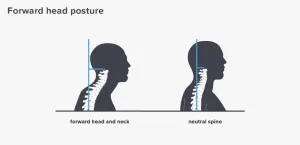
Observation: Visual assessment reveals telltale signs like rounded shoulders, a forward head position, or uneven hips. These imbalances can hint at underlying issues like weak core muscles or tight hamstrings, impacting performance in sports like running or gymnastics.
Palpation: Through palpation, weak glutes or tight knots in the shoulders can be located, resulting in improved posture and enhanced power transfer. For instance, a top soccer player with weak glutes will have diminished the kick force.
Imaging: Advanced tools like MRIs and 3D body scanners provide a detailed 3D model of the body’s alignment, revealing hidden skeletal misalignments or muscle tears that might otherwise go unnoticed. This comprehensive view empowers therapists to identify the root cause of postural issues and tailor interventions accordingly.
Functional movement tests: These become the final act of the assessment. Watching athletes perform their specific sports motions allows therapists to see how posture translates into action.
Does a runner’s uneven hip alignment disrupt stride efficiency? Does a swimmer’s rounded shoulder posture compromise stroke power? These dynamic observations, combined with the insights from the other assessments, complete the picture of the athlete’s postural landscape.
The real creative work starts after the evaluation is over.
Therapists craft personalized interventions, like prescribing corrective exercises for rounded shoulders, such as scapular retraction exercises and chest wall stretches, to improve shoulder blade mobility and throwing power.
A weak core might be addressed through targeted exercises like planks and deadlifts to build strength and stability.
Athletes can reap even greater benefits when the therapists work in tandem with other specialists, like dietitians, for optimal feeding.
Innovative Devices for Posture Analysis
Simple Tools
Posture analysis usually starts with simple, time-tested instruments like plumb lines that involve dropping down a line on an athlete’s body – any deviations from perfect vertical alignment become instantly visible. Posture grids, mounted charts with reference points, also offer a quick visual check for imbalances, while goniometers, devices that measure joint angles with precision, pinpoint flexibility limitations. These fundamental tools, though unassuming, provide a vital first glimpse into the athlete’s postural landscape. High-Tech Revolution: But the terrain of posture assessment doesn’t stop at basic instruments. Advanced devices like 3D body scanners are transforming the game. Imagine a virtual snapshot of every muscle, joint, and bony landmark, captured in seconds by a scanner and displayed on a screen. This incredible level of detail goes beyond static posture, revealing even subtle dynamic imbalances that occur during movement. With this wealth of data, therapists can pinpoint weaknesses, track progress over time, and tailor interventions with laser focus. 3D body scanners, like full body 3D scanners used in body scanner fitness studios and other health settings, offer significant advantages beyond just posture analysis. They can also provide: Detailed body composition analysis: By measuring body fat percentage, muscle mass, and other metrics, these scanners help athletes optimize their training and nutrition for peak performance. Injury risk assessment: Powerful algorithms analyze data from the scan to identify potential areas of weakness that could lead to injuries, allowing for proactive interventions. Motivational feedback: Athletes can see their progress over time through visual comparisons of past and present scans, fueling their motivation and commitment to their training goals. Research studies support the impact of advanced devices on posture assessment. A recent study published in the Journal of Sports Medicine found that athletes who underwent regular 3D body scans and received personalized interventions based on the data saw a significant improvement in both posture and performance compared to a control group that did not use this technology.Combining Therapist Expertise with Technology:
In the pursuit of perfect posture, therapists are not outmatched by technology – they’re empowered by it. It’s a beautiful dance where the therapist’s keen eye and seasoned knowledge harmonize with the objective data and in-depth analysis provided by advanced tools, like 3D body scanners. This potent partnership unlocks a level of understanding and intervention previously unimaginable.
Knowledge Meets Data: Imagine a therapist assessing an athlete’s posture – their trained eye spots a subtle shoulder imbalance. Now, picture that same imbalance being quantified and visualized by a 3D scan, revealing not just the deviation but also its precise extent and potential impact on movement. This synergy of human insight and objective data elevates accuracy, ensuring diagnoses are not just informed but grounded in concrete evidence.
Beyond the Surface: But the real magic unfolds when this partnership delves deeper than visual observations. A therapist might suspect a weakness in an athlete’s core, impacting their stability. Yet, a 3D scan can confirm this suspicion, pinpointing the specific muscle groups involved and quantifying their degree of underactivation. This level of granularity empowers therapists to design targeted interventions, not just addressing the visible imbalance but also its underlying biomechanical cause.
The benefits of this partnership extend beyond improved accuracy and targeted interventions. By automating tedious tasks like data collection and analysis, technology frees up the therapist’s time for the crucial work of interpretation, guidance, and motivation. This allows them to focus on building rapport with the athlete, tailoring their interventions to individual needs and preferences, and providing encouragement throughout the journey towards optimal posture.
In essence, therapist expertise and technological advancements are not competitors, but collaborators. Together, they form a powerful alliance, transforming posture assessment from a subjective art into a data-driven science, ultimately paving the way for athletes to reach their full potential, one aligned stride at a time.
Future of Postural Assessment in Sports
The quest for perfect posture in sports is constantly evolving, with technology and therapy forming an ever-stronger alliance. This partnership promises to unlock a future where athletes can proactively monitor and maintain optimal alignment, paving the way for peak performance and lifelong injury prevention.
Tech-Powered Insights: Imagine a world where 3D body scanners aren’t just capturing static postures, but analyzing movement in real-time with AI-powered algorithms. These intelligent systems could instantly identify subtle imbalances and potential risks, providing immediate feedback to athletes and therapists alike. Think of it as a virtual coach constantly whispering in your ear, guiding you towards perfect form and preventing injuries before they even arise.
Personalized Proactiveness: This future won’t be about reactive interventions; it’s about proactive prevention. Athletes equipped with wearable sensors and body composition analyzers could track their posture and health metrics continuously. These data streams, analyzed by intelligent platforms, would predict potential problems and suggest personalized interventions before symptoms even appear. Imagine knowing exactly which exercises to do, how much sleep to prioritize, and even what foods to avoid to maintain optimal alignment and performance throughout your career.
This is not just a futuristic fantasy; it’s the next chapter in the story of athlete posture. Therapists, armed with advanced tools and data insights, will become architects of preventive care, guiding athletes towards a future where perfect posture isn’t just a goal, but a sustainable lifestyle. The days of guesswork and reactive fixes are numbered; the future belongs to personalized, proactive, and technology-powered posture assessment, ensuring every athlete reaches their full potential, one aligned stride at a time.
Conclusion
Posture is the foundation for power, stability, and resilience. Therapists, with their keen eye and personalized interventions, are essential guides on this path. With the help of technology like Visbody, we can now refine assessments and customize interventions with objective data and powerful tools.
Athletes can achieve their full potential with each stride that is properly aligned thanks to this powerful partnership, which takes posture evaluation to a new level. The future of injury prevention and peak performance for your athletes lies in this partnership, so therapists, embrace it and open the door.