
Standing tall isn’t just about vanity; it’s about feeling your best and performing at your peak! This blog unlocks the secrets of good posture, answering your burning questions about why it matters, how to check it, and ways to improve it.
From understanding the benefits of perfect alignment to fixing slouching shoulders and checking your kid’s posture, we’ll guide you on your journey to a pain-free, confident you, one aligned stride at a time!
Table of Contents
1. What is Good Posture?
Simply put, good posture is how you align your body to optimally support your spine and joints. It’s not just about standing tall; it applies to everything you do, from sitting at your desk to walking down the street.
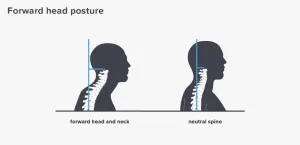
Think of your body as a well-balanced structure. Good posture means your spine maintains its natural S-shaped curves, with your head stacked evenly over your shoulders, your shoulders relaxed and back, and your core gently engaged.
For instance, while walking, good posture means keeping your head up, your chest out, and your shoulders back. You also wear comfortable shoes that fit well and support your arches.
A good sleeping posture, on the other hand, will require you to use a pillow that supports your neck and aligns your head with your spine. It also means you’ll choose a mattress, bed sheet, and blanket that are comfortable and suit your body.
2. Why is it important to have proper posture?
Proper posture is important for your health, appearance, and performance. It can help you avoid pain, injuries, and chronic conditions like backaches, headaches, neck stiffness, arthritis, and scoliosis.
When you have proper posture, your spine is aligned and your muscles and joints are not strained. This can reduce inflammation, nerve compression, and wear and tear on your body.
Your breathing, circulation, digestion, and immune system can all benefit from better posture as well. This is because your organs are not squished or hindered by bad posture. Proper posture allows the diaphragm to expand and the chest to remain open. This will optimize your oxygen uptake, circulation, nutrient assimilation, and waste removal.
Good posture is also known to boost one’s immune system and prevent infections and diseases.
Beyond physical benefits, good posture can work wonders for your confidence and performance. Standing tall and shoulders back projects a positive image, enhancing self-esteem and even influencing your brain chemistry to promote happiness and focus.
Improved oxygen flow and mental clarity further boost your productivity and creativity, making you sharper and more efficient in your daily tasks.
3. Can other people tell if I have poor posture?
Head Posture
- Head jutting forward (“text neck”)
- Hunched shoulders, rounding the back
- Chin tucked down towards your chest
Body Alignment
- Slouching, with shoulders and upper back caving inward
- Uneven hips, tilting to one side
- Swayback posture, with excessive curvature in the lower back
Overall Appearance
- Looking shorter than you actually are
- Clothes appearing ill-fitting due to rounded shoulders or uneven hips
- Lack of energy or confidence in your body language
4. Does poor posture negatively affect my health?
Yes, poor posture can definitely impact your health in several ways:
Pain and Discomfort: The most common consequence is pain, especially in the neck, back, and shoulders. Strained muscles and joints due to misalignment can lead to headaches, fatigue, and even chronic conditions like arthritis.
Reduced Function: Poor posture can restrict your breathing, limit oxygen intake, and impact your energy levels. It can also affect digestion and circulation, leading to bloating and discomfort.
Confidence and Mood: Your self-esteem and social interactions can take a hit if you slouch, which makes you look shorter and less confident. Feelings of anxiety and stress may also intensify as a result.
Long-term Effects: Spinal misalignment increases the likelihood of injuries and persistent pain, and bad posture can cause this over time. It’s like driving a car with misaligned wheels – wear and tear accelerate.
5. How do I know if I have bad posture?
The Wall Check
- Stand back-to-wall with your heels 4-6 inches away.
- Touch your shoulders, buttocks, and head to the wall.
- A small gap between your neck and the wall is okay, but a large gap might indicate slouching.
The Doorway Test
- Stand in a doorway with your arms outstretched to either side.
- Your upper arms should rest comfortably against the doorframe without pushing or tucking.
- If your arms don’t touch or feel cramped, your shoulder positioning might be off.
Visual and Body Alignment Clues
- Shirts bunching up in the arms or pants pulling at the waist can indicate posture imbalances.
- Feeling shorter than you are.
- Frequently experiencing aches in your neck, back, or shoulders.
- Uneven hips.
- Swayback or flat back.
- Head held high or jutting forward.
6. Can bad posture cause headaches?
Yes! Bad posture can lead to headaches.
Slouching or hunching strains muscles in your neck and shoulders, creating a constant tug-of-war that can trigger headaches, especially tension headaches, which feel like a tight band around your head.
Further, pinched nerves caused by spinal misalignment can transmit pain signals in the form of headaches. Another cause of headaches is an inadequate blood supply to the brain, which can happen as a result of poor posture.
7. How can I use a mirror to check my posture?
The mirror test
Stand in front of a full-length mirror and look at yourself from the front and the side. Check if your ears, shoulders, hips, and ankles are aligned. Notice if your head, chest, and back are straight. Check the alignment of your knees and hips. Does your spine have a natural S-curve, or is it excessively swayed or flattened?The posture assessment grid
Stand in front of a mirror with a grid marked on the wall behind you. Check the alignment of your body parts with the lines on the grid. See if your spine maintains its natural curves. Verify that your weight is distributed evenly. Adjust your posture as needed.8. How can I check my kid’s posture?
Checking your child’s posture is easy! Just have them follow these simple steps:
Stand-up straight: Ask your child to stand tall against a wall, with their heels shoulder-width apart and touching the wall. Encourage them to relax and let their arms hang naturally at their sides.
Ear-shoulder-hip-ankle line: Imagine a plumb line running down from their ear. Ideally, it should pass through their shoulder, hip, and ankle on both sides. If one side seems off, don’t fret! Gentle reminders and posture exercises can help.
Head check: Check if their chin is tucked down or jutting forward. Encourage them to relax their head and gently lift it, keeping their chin parallel to the floor.
Shoulder check: Are their shoulders rounded inward or hunched up? Remind them to gently roll their shoulders back and down, relaxing their posture without pinching their shoulders together.
Spinal curve: Check if their spine has a natural S-curve, or if it is excessively swayed or flattened. Encourage them to stand tall without stiffening, aiming for a gentle curve in their lower back.
9. What does it mean if one of my shoulders is lower than the other?
A noticeable difference in shoulder height can be a cause for concern, but it doesn’t automatically mean something serious.
The most common culprit is often a simple muscle imbalance. Daily activities like carrying bags on one shoulder, sleeping in the same position, or even hunching over a desk can cause one shoulder to gradually droop lower than the other. This imbalance pulls the higher shoulder upwards, creating a visually uneven appearance.
There are situations where an injury or medical condition might be the root cause of an uneven shoulder height. This could include rotator cuff tears, scoliosis, and arthritis.
10. How can improper posture affect my overall height?
Contrary to popular belief, hunching or slouching won’t permanently stunt your growth. However, poor posture can definitely make you appear shorter than you actually are!
Think of your spine as your body’s internal ruler. When you slouch, you compress your spine, reducing its natural height and creating a rounded appearance. This can “shrink” you by a few inches, even though your actual bones haven’t changed.
The good news is that good posture works like a magic trick in reverse! Standing tall with your shoulders back and your core engaged stretches your spine to its full potential, adding those precious inches back to your perceived height.
It’s not about rigid stiffness, but about finding that balanced, comfortable alignment that allows your spine to shine (and by shine, we mean stand tall!).
Wondering why you're hunching even after stretching?
Visbody’s 3D body scanner can reveal deeper secrets about your posture and health. Find a nearby facility with one and dive into your personalized body map!