Table of Contents
1. Introduction
The waist-to-hip ratio is the circumference of one’s waist divided by the circumference of the hips. This ratio tells a lot about one’s health. This ratio, also known as WHR, is a quick measure of fat distribution, which may show a person’s overall health. People with more weight around their middle than their hips might be at a higher risk of developing a few health considerations.
Through this article, you will be able to understand what this ratio is and how it affects your health and your everyday life tasks. You will also understand how a body fat calculator machine measures a person’s weight and other metrics.
2. What Is the Waist-to-Hip Ratio?
WHR and WC are the standard anthropometry measures and may be used as signs of obesity and health. WHR is measured using the smallest circumference of one’s natural waist divided by the hip circumference at the widest part. The familial link has been suggested for WHR and WC. Measuring this ratio is essential as it can indicate if you are at risk for chronic illness like diabetes or heart disease.
In the past, BMI has existed as the go-to metric for measuring the weight and health of a person, but it has also been criticized in the recent few years for being potentially harmful and misleading. Hence, the new metric is now used to assess different aspects of one body. Now, with smart technology available, a 3d body scanner is used to measure one’s WHR fast and simple.
3. Why Is Your Waist Size Important?
Carrying weight on your waist may be an early sign of health issues. Your health is affected by where your body stores fat, even when living at an ideal healthy weight or an average body mass index.
Being fat in the abdomen and having all the fat around your waist is known as abdominal obesity. This fat is known as visceral fat, as it is around your liver and other vital organs. This fat sends hormones, chemicals, and fatty acids that cause inflammation. Hence, it leads to high cholesterol levels, blood glucose, and blood pressure. It may also lead to higher levels of triglycerides, a type of fat in your blood. A body scan machine can accurately measure your body and tell where you accumulate excess fat.
Fat present around your waist may make you a lot more likely to have other health concerns such as heart disease cases, type 2 diabetes, and stroke. This condition can affect men and women alike, but men are much more likely to collect fat around their waste. Women carry fat around their thighs and hips often.
4. Waist-to Hip Ratio vs Body Mass Index, which is better
Your WHR is the ratio that compares your waist size to your hip size. In comparison, the body mass index measures your height against your weight. If one asks which of these is better, the answer is that your waist-to-hip ratio may give you a better picture of your health than the weight of your BMI. You may have a healthy weight but might collect a lot of fat around the midsection of your body. Hence, a good rule of thumb is that you should have a waist that is more petite than the hips, no matter your BMI or weight.
Now, most professionals prefer using WHR more than they want to use the BMI as it is a quick and efficient way to measure one’s health conditions and what changes one must make in one’s lifestyle to be healthy.
5. How to calculate waist-to-hip ratio?
Your healthcare professionals may measure your waist-to-hip ratio, and you can do it yourself. It would help if you began with the following steps:
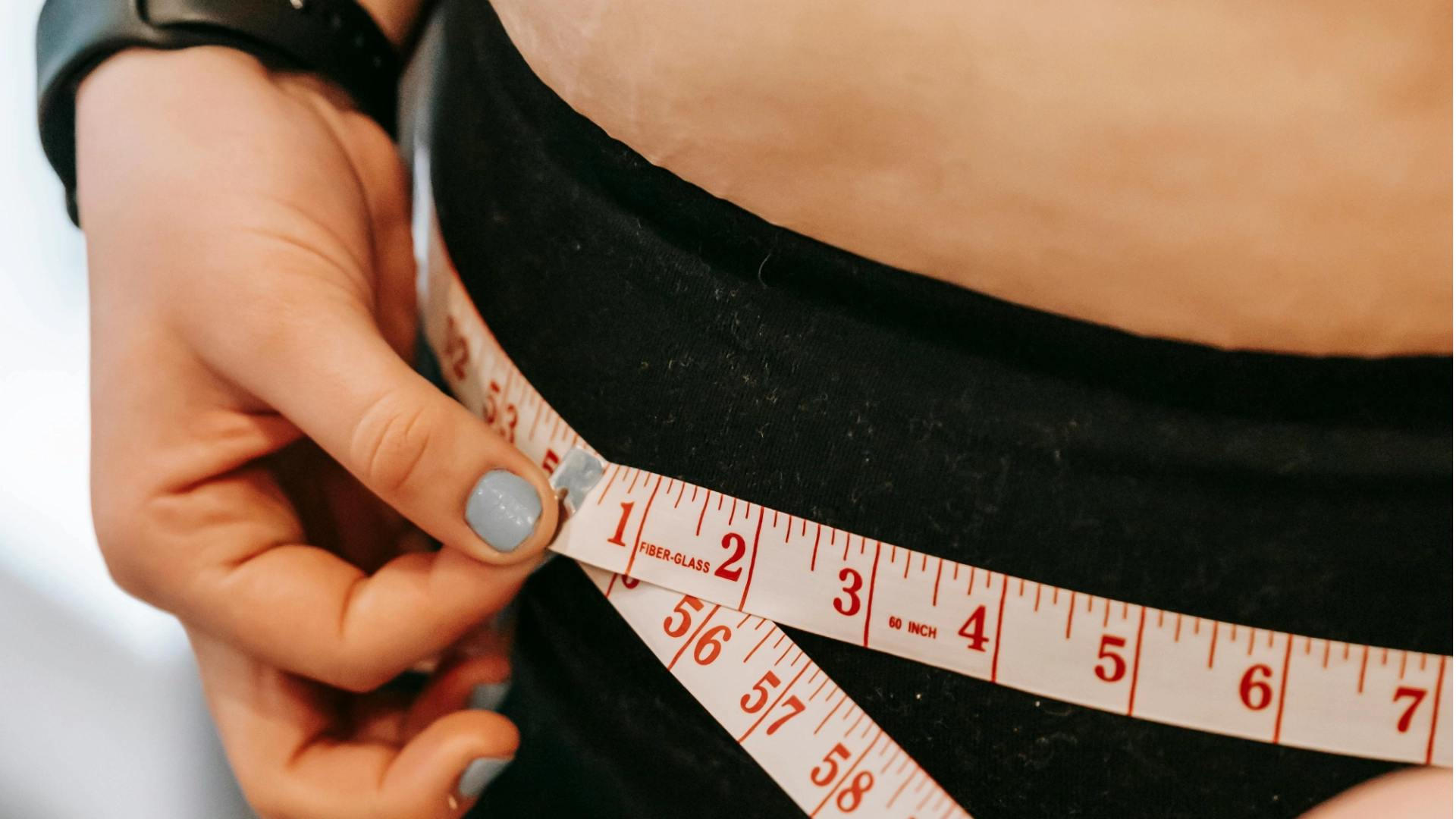
- Measure the minor point: get the tape and wrap it around the waist on the minor point, mainly around the belly button for most humans. This is the measured waist circumference of your body. Keep this measurement written.
- Now measure the hips: next, get a tape and wrap it around your hips on the widest part. This is the hip circumference. Record this emasurment.
- Divide: Use a calculator to divide the waist by your hip size. This is your WHR, i.e., your waist-to-hip ratio.
- Record this ratio: WHO defines abdominal obesity in men as their WHR is at least 0.90, and for women, it is 0.85 or higher. A ratio that is higher than 1.0 for either gender shows that there is a high chance of health issues present in the body already.
Discover Our Solutions
6. What is a healthy ratio?
7. Impact on health
A waist-to-hip ratio above 1 is not a good sign of one’s health. It can indicate that the person is at a higher risk of developing chronic illnesses like diabetes and heart disease. Those with higher WHR may have a lot of weight in the middle of their bodies; hence, their body shape is described as an apple. People who are apple-shaped are at a higher risk of a few health concerns than those who are pear-shaped. Their health concerns include the following:
- Cardiovascular diases:
Abdominal obesity shows an increased risk of cardiovascular diseases and cancer. This also predicts that cardiovascular disease is way more effective than BMI. - Diabetes:
A higher rate of waist circumference is linked to an increased risk of having type 2 diabetes. - Fertility:
Women with a WHR of more than 0.8 have a lesser rate of pregnancy than women with a lower WHR, regardless of their BMI.
Keeping a full-body 3d scanner measurement of your body can help you keep a check on your current condition.
8. How to improve the ratio
Once you have obtained a good measurement of your WHR, you can use it to change your everyday life if it is higher than the safe limit. Try the following suggestions to change your WHR and make it close to the healthy limit.
- Be active:
People who have accumulated too much fat on their waist or are obese overall consume way more calories or energy than they need. Without having enough physical activity, your body keeps storing energy in the form of fat. The simplest way to lose weight and WHR is to eat less and be on your feet more. You should be active and try different activities in your daily routine that can keep you healthy and help you lose weight.You can try different activities such as dancing, bike riding, hiking, brisk walking, inline skating, or pushing a lawnmower. These activities will help you be more active and lose weight fast. Also, use a full-body 3D scanner to check your progress each week. - Change your diet:
A healthy and balanced diet is the most critical factor in losing weight. You should start including the following in your diet: - At least five portions of vegetables and fruits each day
- Whole grain and higher-fiber foods
- Some dairy alternatives or dairy
- Unsaturated spreads and oils
- 6 – 8 glasses of fluids
- Less sugary drinks and more water
- Beans, meat, fish, eggs, or other proteins
- Have less sugary drinks and consume more water
- Lesser foods with high salt, fat, and sugar
You can also consult a dietician to help create an effective diet plan for your weight reduction goals.
9. How do I find my Waist-to-Hip Ratio on a Visbody scan?
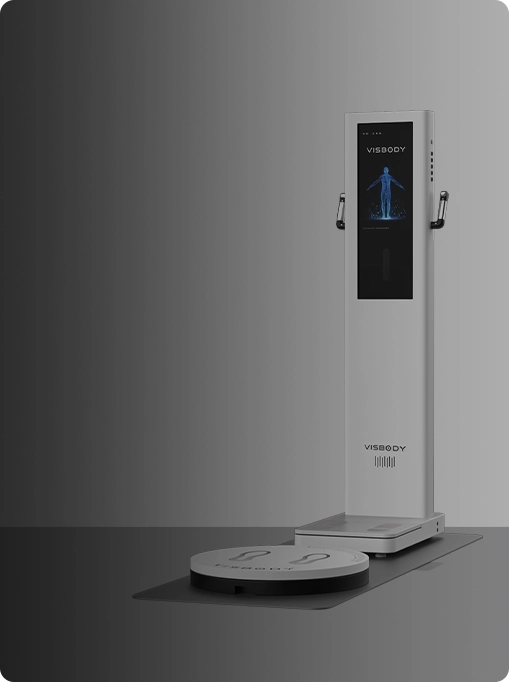
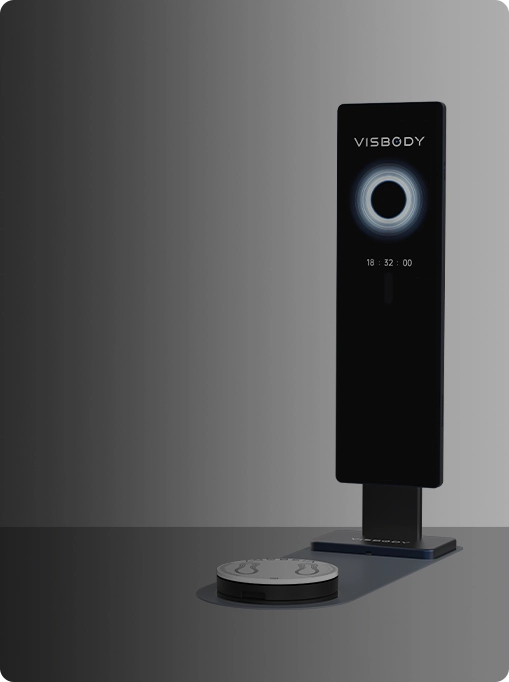
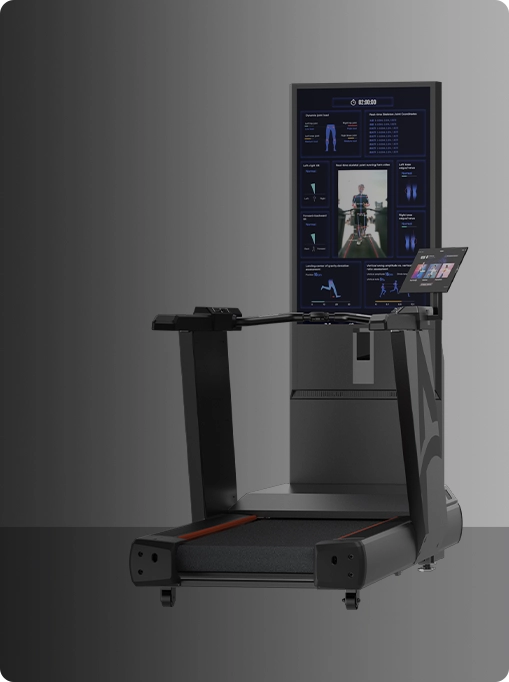
With more innovative technologies now present to measure human bodies and give them precise measurements, you can be healthier and constantly aware of your health. This body composition analyzer from Visbody can help you understand your body and make suitable adjustments accordingly.
This is a 3d body scanner that is an accurate way to track changes in your WHR and overall health. It helps you identify the areas where your body needs improvements for the best health. It is also an indication of whether these changes in exercise or diet are giving you the desired effects or not.
This body scan machine can tell you when your weight is within a healthy range and give you an exact measurement and sample body report of your overall body fat percentage and is suitable for people who want to lose weight, have more muscle mass, or want to monitor their health with time. Medical professionals use it to assess the risk of developing diabetes or heart disease.
Also, it will help you measure your body weight and other metrics to give you an examination of your health and how you need to make adjustments to get healthy. You can easily calculate your body measurements with this precise body fat machine scanning to know the progress you are making with changes in diet and activity levels per day.