

Table of Contents
1.Introduction
Living an everyday life with daily physical conditions is a dream for all, but sometimes unfortunate events or a sedentary lifestyle can cause issues. Different circumstances, including periods of misuse or injury, may cause an unstable shoulder. You will notice that your shoulder is unstable or slips in some activities.
Shoulder muscle imbalance is the condition in which muscle shortening or degeneration may happen and hence cause postural changes, significant pain, and visible imbalance. Though painful points signal where the issue is in the shoulder now, a 3D body scanner can help you with the advent of technology.
They can diagnose and manage muscle imbalance with their precise measure of the location of body posture. You can get the correct treatment to heal the muscle imbalance and heal in no time. Old or worse cases of muscle imbalance would take longer to return to normal position.
Here, you will understand how shoulder muscle imbalance can take away the quality of life for human beings and how it should be treated. In the end, you can also find the best body scan machine that will make it easy to find what is wrong with your body and its alignment.
2.Understanding Muscle Imbalance in the Shoulder
- What is muscle imbalance of the shoulder?
- What can cause muscle imbalance in the shoulder?
- Bad posture
- Dominant movement
- Overuse or misuse of one shoulder
- Muscle dysfunction or other skeletal conditions
- Pre-existing shoulder or neck injuries
3. Symptoms and Diagnosis
Discover Our Solutions

4. Effective Treatment Strategies
5. Strategies to Embrace
- Adopt Proper Posture: Consistently maintaining ideal posture during daily activities, especially when working at a desk or engaging in routine tasks, is crucial. Proper posture realigns your muscles, facilitating a return to their natural state.
- Strengthen Shoulder Muscles: Implement exercises designed to fortify your shoulder muscles. This not only mitigates the risk of impingement but also enhances stability.
- Progress Gradually: For overhead activities or sports, incrementally increase both duration and intensity. This strategy allows your shoulder muscles to adapt safely, minimizing the risk of overuse injuries.
- Practice Correct Techniques: Emphasize learning and adhering to optimal techniques for activities that involve your shoulders. Proper form reduces unnecessary strain and stress on the joints.
- Incorporate Regular Rest: Allocate sufficient recovery time between activities to prevent shoulder muscle overload, allowing your body to heal and rejuvenate.
6.Preventative Measures and Long-Term Care
- Adopt Exercise Routines and Lifestyle Modifications: Muscle imbalances often result from improper posture, or the overuse or underuse of certain body parts. Engaging in regular physical check-ups, physiotherapy sessions, and massages can rectify misalignments, fostering optimal posture.
- Utilize Body Composition Analyzers: Regular assessments with tools like body composition analyzers can identify persisting imbalances, guiding targeted treatment and preventive measures.
7. Conclusion
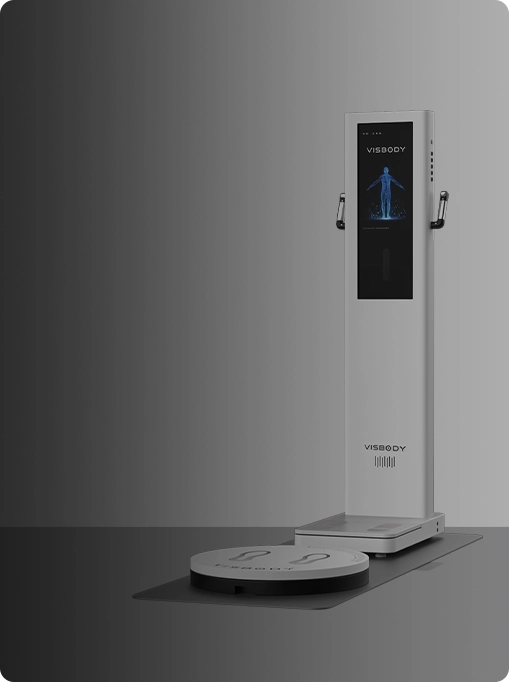
In wrapping up, shoulder muscle imbalance, often stemming from sedentary habits and improper physical activities, highlights the need for proactive management and prevention. Effective treatment integrates physiotherapy, lifestyle changes, and cutting-edge technology like 3D body scanning, exemplified by Visbody, offering precise diagnostics and customized treatment plans.
Adopting preventative measures and long-term care, such as proper posture, balanced physical activity, and regular check-ups, is vital. This comprehensive approach not only aids in recovery but also in preventing future imbalances. In essence, understanding, addressing, and preventing shoulder muscle imbalance is crucial for a life of mobility and strength, early intervention, and sustained effort towards musculoskeletal well-being.