Table of Contents
Unveiling the Science of EMS Training: A Revolutionary Approach to Fitness
In the ever-evolving world of fitness and health, technology plays a pivotal role in shaping how we approach our physical well-being. Among the cutting-edge innovations, Electrical Muscle Stimulation (EMS) training emerges as a groundbreaking method, revolutionizing traditional workout regimes. Visbody, a leader in dynamic 3D body scanning technology, leverages EMS to offer a customized fitness solution, enhancing the effectiveness of workouts through scientific precision and personalized strategies. This article covers the essence, workings, and scientific underpinnings of EMS training, contrasting it with traditional training methods, and exploring its future directions, particularly in conjunction with 3D body scanning technology.
Introduction: The Essence of EMS Training
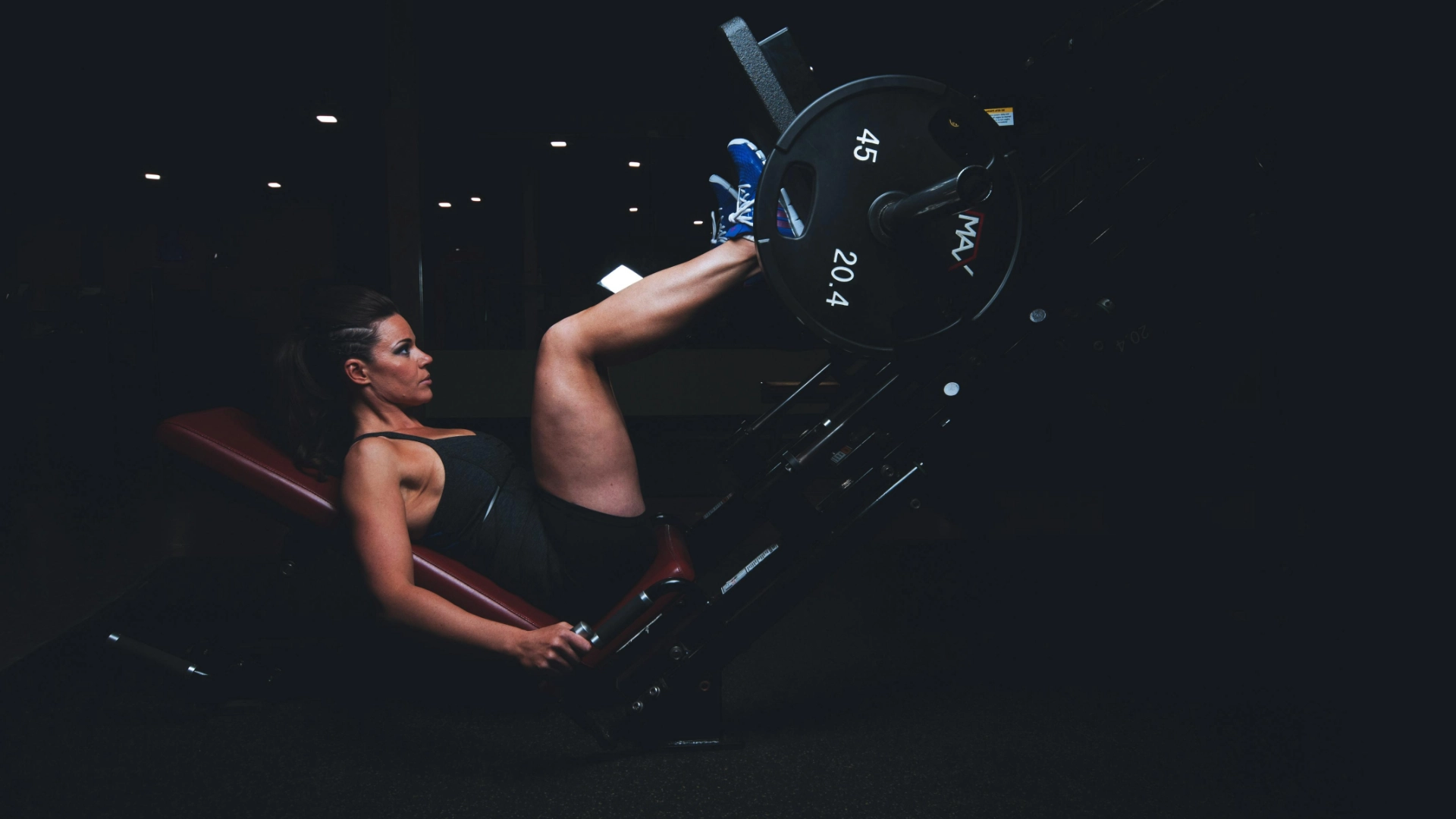
Electrical Muscle Stimulation (EMS) training stands at the forefront of modern fitness solutions, offering a unique blend of technology and health. Unlike conventional workout methods that rely on weights and machines to stimulate muscle growth, EMS employs electrical impulses to achieve the same, if not greater, effect. This innovative approach not only optimizes workout efficiency but also opens new avenues for fitness enthusiasts and professionals alike to explore and achieve their health goals.
At its core, EMS represents a significant leap forward in the realm of physical training. It harnesses the power of electrical signals to directly stimulate muscle fibers, promoting strength, endurance, and recovery in a fraction of the time required by traditional workouts. This technology, when integrated with advanced 3D body scanning, like that pioneered by Visbody, allows for unparalleled customization and personalization of fitness programs, ensuring that each session is tailored to the individual’s body composition and fitness objectives.
How EMS Works?
The principle behind EMS is straightforward yet profoundly effective. By applying gentle electrical impulses through electrodes placed on the skin, EMS mimics the action potentials that originate from the central nervous system. These impulses compel the muscles to contract, simulating the effect of physical exercise but at a significantly accelerated pace and intensity.
This method of muscle activation has a dual advantage: it not only enables the targeting of specific muscle groups without the need for physical weights but also reduces the risk of joint and tendon strain often associated with heavy lifting. Moreover, EMS’s ability to induce rapid muscle contraction makes it an invaluable tool for rehabilitation, allowing individuals recovering from injuries to strengthen their muscles without the stress of traditional exercise methods.
The Science Behind EMS
The core mechanism of EMS training lies in its ability to mimic the natural process of muscle contraction through electrical impulses. This innovative approach enables the stimulation of muscle fibers that are often hard to engage through conventional exercise routines. EMS targets muscles with precision, eliciting contractions that enhance strength, endurance, and blood flow. The technology operates on the principle that external electrical signals can effectively stimulate the motor neurons, leading to muscle contraction. This bypasses the body’s natural hierarchical order, which usually starts from the brain’s command through the central nervous system.
One of the most intriguing aspects of EMS is its ability to “override” the central nervous system, allowing for quicker, more intense, and more frequent muscle contractions. This unique feature not only accelerates muscle growth and development but also significantly aids in the recovery process, making it an invaluable tool for both athletes and rehabilitation patients. Studies have shown that EMS can increase muscle strength, endurance, and explosive power, providing a complementary tool alongside traditional training methods.
EMS vs Traditional Training
When juxtaposing EMS with traditional training, it’s crucial to understand that EMS does not seek to replace but rather to augment conventional exercise. Traditional strength training and cardiovascular exercises are foundational for building overall fitness, health, and well-being. However, EMS offers a distinctive advantage by activating a higher percentage of muscle fibers during each session, including both fast-twitch and slow-twitch fibers, which are essential for various physical functions.
Moreover, EMS training is particularly beneficial for individuals seeking targeted muscle development, rehabilitation after injuries, or those with limitations that restrict their ability to perform traditional exercises. It serves as a bridge, offering strength gains without the need for heavy weightlifting or high-impact activities, which can be detrimental in certain situations. Moreover, for those looking to enhance their workout efficiency, combining EMS with traditional training methods can yield superior results, improving muscle tone, endurance, and overall physical performance.
Customization and Personalization in EMS With 3D Body Scanner
The advent of 3D body scanning technology has revolutionized the customization and personalization possibilities in various fields, including fitness and rehabilitation. Visbody’s 3D body scanners take EMS training to a new level of precision by providing detailed body composition analysis and accurate 3D body avatars. This technology enables a tailor-made approach to EMS training, where workouts can be finely tuned to the individual’s specific body characteristics, needs, and goals.
With the help of a 3D body scanner, trainers and therapists can assess body status, circumferences, joint function, and even dynamic and static postures. This wealth of information allows for a more informed and effective application of EMS, ensuring that each session is optimized for the individual’s unique body composition and fitness objectives. Whether it’s targeting specific muscle groups, addressing postural imbalances, or monitoring progress over time, the integration of 3D body scanning with EMS training offers an unmatched level of personalization.
Future Directions in EMS Training and 3D Body Scanning
Moving forward in this article, let us explore the future directions of EMS training and 3D body scanning technology, highlighting the potential advancements and their implications for the fitness and wellness industry.
Integration with Wearable Technology:
Advancements in AI and Machine Learning:
The application of artificial intelligence (AI) and machine learning in analyzing data from 3D body scanners promises to revolutionize how we understand and respond to our bodies’ needs. By harnessing the power of AI, we can anticipate more sophisticated algorithms that predict outcomes, recommend personalized training programs, and optimize recovery protocols, all tailored to the unique contours and compositions of individual bodies.
Enhanced Precision and Accessibility:
Ongoing advancements in 3D body scanning technology aim to achieve even greater levels of precision in body composition analysis. As these technologies become more refined and widely available, they will play a crucial role in democratizing access to personalized health and fitness insights, making it easier for people around the globe to make informed decisions about their physical well-being.
Virtual Reality (VR) and Augmented Reality (AR) Applications:
The integration of VR and AR with EMS training and 3D body scanning could create immersive, interactive training experiences. Users could train in virtual environments tailored to their fitness goals and receive instant feedback on their performance and progress, all while enjoying a gamified exercise experience.
Holistic Health and Wellness Platforms:
The convergence of EMS training, 3D body scanning, and other health technologies could give rise to comprehensive platforms that offer a holistic view of an individual’s health. These platforms would not only track and analyze physical fitness but also offer insights into nutrition, mental health, and overall wellness, creating a 360-degree approach to health optimization.
Collaboration Across Disciplines:
Personalized Rehabilitation and Injury Prevention
Visbody's Role in Revolutionizing Rehabilitation
An innovative product that exemplifies the potential of this technology in personalized rehabilitation is the Visbody S30. Integrates 3D body scanning with dynamic EMS training, offering a solution that assesses body composition, muscle imbalances, and postural issues with unparalleled accuracy. This comprehensive analysis allows physical therapists and trainers to develop highly customized rehabilitation programs that address the unique needs of their clients.
Discover Our Solutions
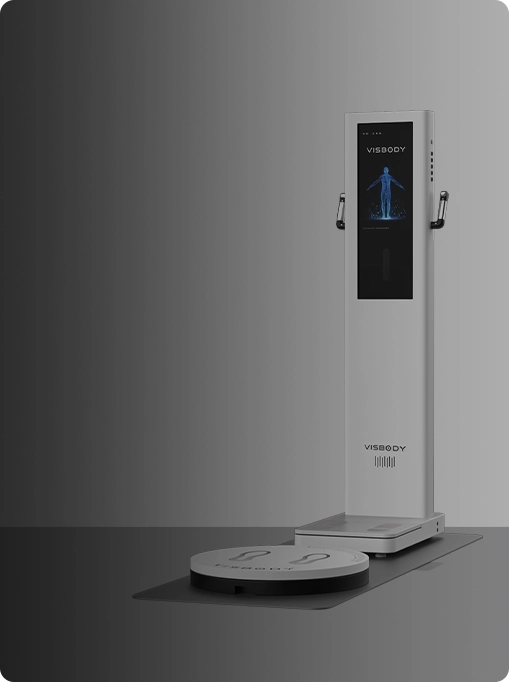
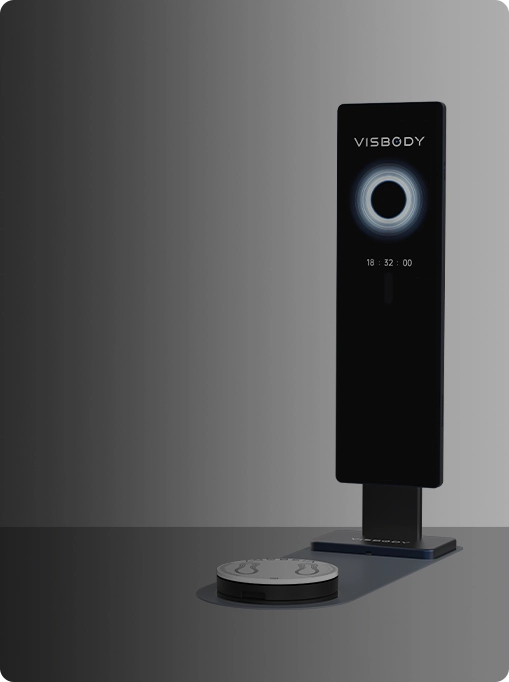
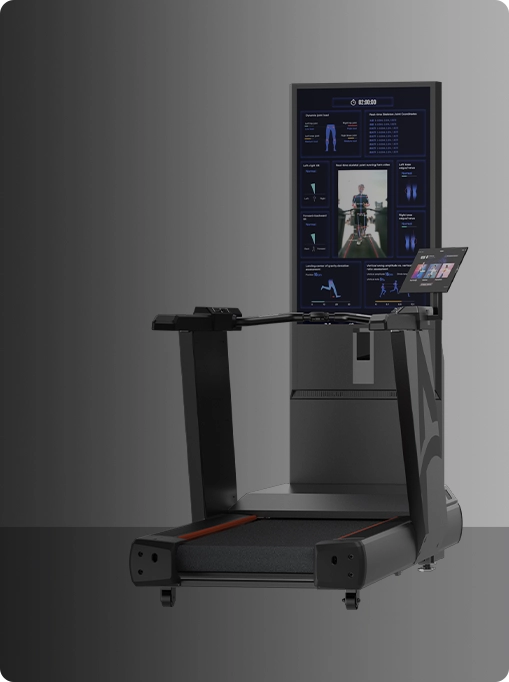
Key Features and Benefits: Visbody s30
Detailed Body Composition Analysis:
Muscle Imbalance Identification:
The Visbody S30 highlights areas of muscular imbalance or weakness, guiding therapists in creating targeted EMS programs to strengthen these areas and prevent future injuries.
Progress Tracking:
Embracing the Future
As we venture into the concluding segment of our exploration into EMS training and the transformative impact of 3D body scanning technology, it’s clear that we stand on the cusp of a new frontier in fitness, rehabilitation, and personal health management. The synergy between EMS and cutting-edge 3D body analysis heralds a future where personalized, data-driven training programs become the norm, not the exception.
By staying informed and open to these technological advancements, we can all play a part in shaping a healthier, more active, and more personalized approach to physical well-being.