
Among a thousand reasons that make us unique, the most common is the diversity in our body shapes and sizes. We all are different in various aspects of our bodies. Some have a healthier or stable body form, while others possess slightly heavier or slimmer body variants.
Unlike societal beauty standards, there is nothing like a “perfect” or “ideal” body. In fact, you can categorize your body forms into a triangle or pear-shaped, rectangle or banana-shaped, and inverted triangle or apple-shaped.
These fruit shapes are assigned to conveniently define your body type in an easy-to-interpret language without using formal scientific terms. But do they actually define your body? Let’s find out the answer in detail below.
Table of Contents
Understanding Body Shapes: Beyond the Fruit Comparison
For years, fruit-based terms have been used to define various body shapes in different people. The purpose of describing body form by these fruit names is the convenience of the public. Fruit names are used commonly, and thus, everyone can easily relate to these terms, unlike the complex scientific body shape descriptions. These act as metaphors and show a separate meaning when describing different body forms.
For instance, a person with an apple-shaped body has an “Android-like” body form, which is more fatty from the midsection and comparatively less fatty from the hips and thighs. Similarly, an individual with a pear-shaped body means excessive fat is present in hips and thighs while low fat is stored in the mid. Apart from this, here are some ways these fruit shapes determine your body health:
- An apple body type indicates a larger waist-to-hip ratio, which simply means the waist is comparatively larger than the hip region. This also shows narrow hips, full midsection, and a lot of weight around their abdomens.
- A pear-shaped body is considered beautiful due to a smaller waist-to-hip ratio. It indicates larger hips, a narrower upper body, and a well-defined waist.
The Health Implications of Body Shapes
How we look does not always indicate our health status. Body shapes can help evaluate your body’s weight or fat distribution, but it is not a standard to measure someone’s health.
Often, one person can show different body type variations, which can change depending on age and genetics. However, research shows that body shapes can help reveal your health risks and assist in maintaining a stable body. Let’s explore how these body shapes are linked to certain health factors.
Apple Shape and Health Risks
Pear Body Type and Health Benefits
If your shoulders are narrower than your hips, chin up as you’re in a safe zone. Usually, pear body type is considered healthy as studies suggest that people with more fat in the buttock and hip region have a lower risk of heart diseases and strokes. However, it is still not an “ideal” body shape and might be associated with osteoarthritis.
According to another research, extra weight around the hips can put a burden on the joints, leading to an increased risk of arthritis, particularly in knee areas. Compared to apple-shaped bodies, individuals with a pear body type have a better health status and can easily maintain their body balance.
Challenging the Fruit Metaphors
Although fruit metaphors are a convenient way to describe a person’s body shape, they should not be considered standard health indicators. You can use these fruit shapes to assess your body type or determine an individual’s health. For example, the apple-pear comparison can help identify the waist-to-hip ratio and overall fat distribution in various body parts. However, here are some limitations of using fruit metaphors to describe body form:
- They make general assumptions about a person’s health.
- Healthcare experts can get the wrong idea of an individual’s body due to their apparent body shape.
- They do not take into account the body’s core components and thus fail to evaluate the key health factors associated with the tissues.
Exploring Alternatives for Assessing Health
Body Fat Percentage
When you know the amount of fat stored in your body, you can understand the health needs and risk factors associated with your body cells. Body fat percentage is a measure of the total fat content in relation to total body weight. It is often used as a standard evaluation factor in the health and fitness industry. You can also track your progress and get an idea of your overall body fitness. Various methods are used to analyze the body’s fat percentage. Some of them are as follows:
- Skinfold calipers
- Bioelectrical impedance analysis (BIA)
- Hydrostatic weighing
- Dual-energy X-ray absorptiometry (DEXA)
- Body circumference measurements
Apart from these measurement methods, body fat percentage differs depending on various factors such as age, gender, and fitness. Generally, the body fat percentage of men ranges from 8 to 19% while 21-33% for women.
Waist Circumference
To measure the amount of fat around the midsection or in the hip region, another commonly used method is the waist circumference. It is also a great indicator of abdominal obesity and measures excessive fat around the waist.
It uses a flexible tape for measuring body fat distribution. Therefore, it is advised to maintain an ideal waist circumference if you want to get a healthier body. Generally, a waist circumference below 37 inches is considered normal for men. Meanwhile, the range below 40 inches is good for women.
Waist-to-hip Ratio
Using Visbody Body Scanner for Comprehensive Body Assessment
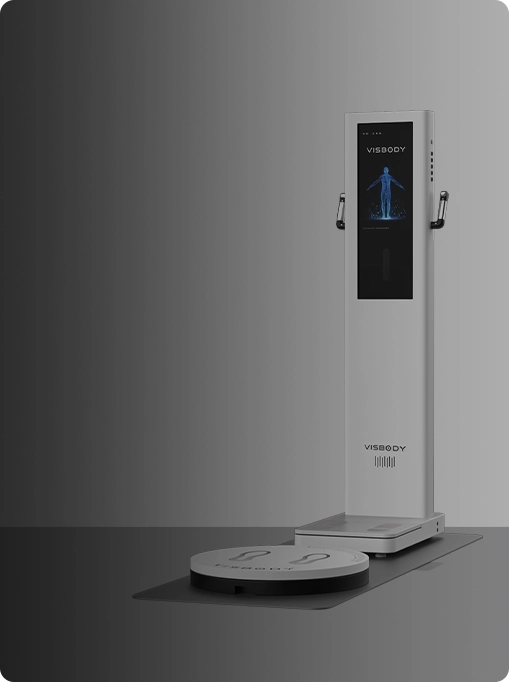
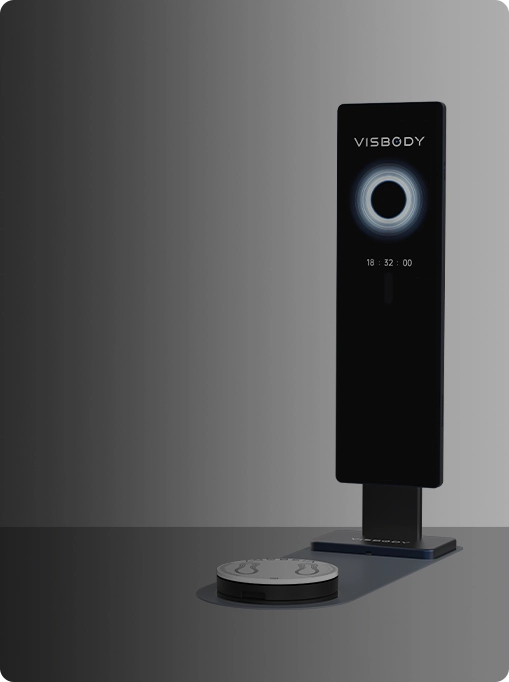
Besides the general methods of measuring body fat distribution, you can take one step ahead and use technological advancements for your health evaluation. To provide you with every body measurement in one place, the Visbody 3D Body Scanner has been introduced in the market. Here are some of its key features that help in thoroughly assessing your body:
Body Composition Assessment
You need to perform a body composition assessment to quantify the different components that make up an individual’s body. It provides a detailed understanding of a person’s health by measuring his weight and other fitness parameters. Visbody performs a complete body composition using the IBA and BIS technologies. It shows net and standard values of your muscle mass, body weight, and total body composition, including protein, salts, and water.
Body Posture Analysis
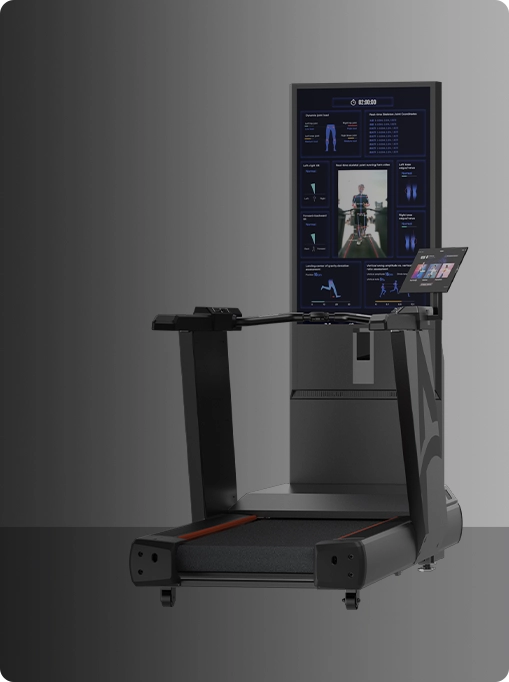
Another amazing benefit of the Visbody scanner is its ability to generate precise measurements within a short span. It can assess your posture and body movements with millimeter-level accuracy in less than a minute. It uses smart core technology to perform posture evaluation on 9 different body components. It conducts a 360-degree view of the body from the head to the right and left legs. Thus, you can quickly assess your physique by looking closely at your body composition metrics.