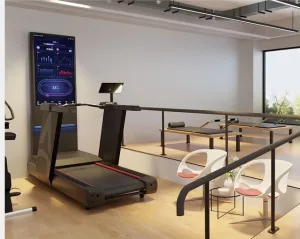

The continuous look for personalization and precision has led to the advent of innovative technologies that transform our approach to health. Among these advancements, 3D body scanning technology stands out as a beacon of change, offering an unparalleled glimpse into the intricacies of our physical form. This article delves into how these sophisticated devices, particularly the heralded full body 3D scanners, are redefining the gym experience, turning every fitness journey into a tailored path to wellness.
Table of Contents
Unveiling the Potential: Benefits of 3D Body Scanning Technology
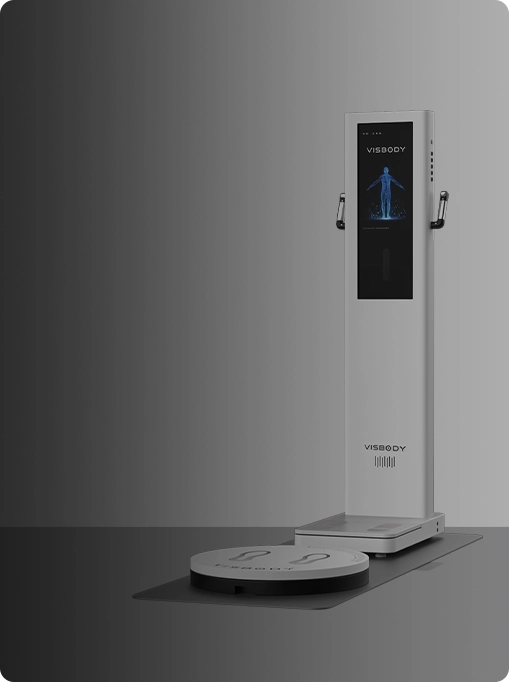
The leap from traditional fitness assessments to the precision offered by 3D body scanners marks a significant milestone in health and fitness. Devices like the Visbody S30 have emerged as pivotal tools, providing a detailed mosaic of our body composition with an accuracy and depth previously unimaginable.
Comprehensive Insights
The magic of a 3D body scanner lies in its ability to offer a holistic view of one’s physical state. Beyond mere numbers on a scale, these devices illuminate the balance between muscle mass and body fat offering a comprehensive snapshot of health. Such detailed insights empower individuals to tailor their fitness routines with surgical precision, targeting areas in need of improvement and celebrating progress where it’s due.
Accessibility and Ease
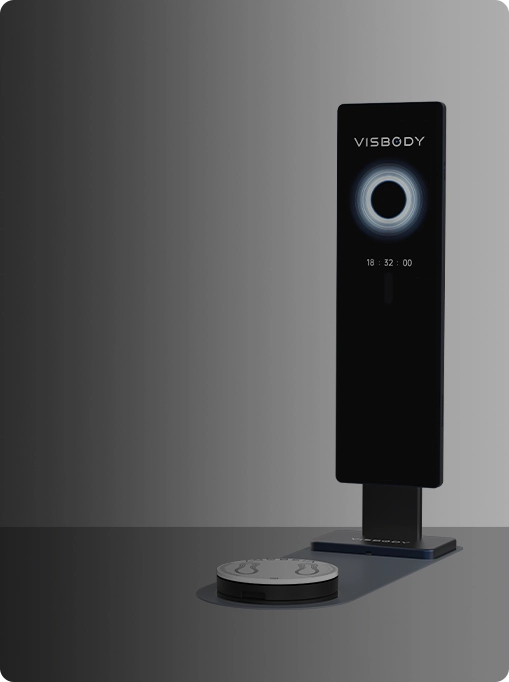
Gone are the days when obtaining in-depth body composition analysis was a cumbersome and invasive process. Today’s body scanner devices boast an ease of use and accessibility that seamlessly integrate into routine gym visits. With the simplicity of standing on a platform, users can receive a full-body scan, making advanced health assessments as routine as a morning workout.
A Closer Look: 3D Body Scanners vs. DEXA Scans
While DEXA scans have long been the gold standard for measuring body composition, the emergence of 3D body scanning technology has set a new benchmark for accuracy, user experience, and safety.
Technological Superiority
The contrast between 3D body scans and DEXA scans is stark, not only in the method of measurement but in the experience they offer. 3D scans, utilizing depth-sensing 3D camera and AI vision & optical 3D reconstruction technology, provide a detailed analysis without the exposure to low-dose radiation inherent in DEXA scans. This key difference makes 3D scanners a preferable option for frequent use, aligning with the ongoing nature of fitness tracking and program adjustments.
Enhanced Fitness Tracking
The advantages of 3D body scans extend into the realm of regular fitness monitoring. Unlike DEXA scans, which are often limited by cost and availability, 3D scanners like the body scan machine and scanner machine models found in gyms offer a level of convenience and frequency that supports dynamic fitness planning. This regular insight into one’s physical development is instrumental in fine-tuning workout regimes and dietary plans, ensuring that every effort contributes meaningfully to one’s health goals.
Transforming Interactions: The Trainer-Member Dynamic
The integration of 3D body scanning technology into fitness routines is not just revolutionizing personal health tracking; it’s reshaping the very dynamics of interaction between gym members and their trainers. With precise data at their fingertips, trainers are now equipped to forge deeper, more meaningful connections with their clients, paving the way for truly personalized fitness journeys.
Data-Driven Guidance
Armed with comprehensive insights from body composition analyzers, trainers can now pinpoint the specific needs and progress of each gym member. This wealth of information transforms every consultation, making discussions about fitness goals, challenges, and achievements deeply informative and constructive. Whether it’s adjusting a workout plan to target muscle gain or strategizing to reduce body fat, the decisions are informed by hard data, removing guesswork from the equation.
Building Trust
The accuracy and reliability of information from devices such as the body composition machine and body fat analyzer build a foundation of trust between members and trainers. When recommendations and adjustments are backed by visible, measurable changes in body composition, members are more likely to stay committed and trust in the process, knowing that their efforts are yielding real results. This trust not only enhances the member’s experience but also elevates the trainer’s role from a general guide to an indispensable partner in health and fitness.
Optimal Scan Frequency
To maximize the benefits of 3D body scanning technology, determining the optimal frequency of scans is crucial. Unlike the more static approach of annual or bi-annual DEXA scans, the dynamic nature of fitness and body composition demands a more flexible scanning schedule.
Navigating Progress
For most individuals, undergoing a body composition scan on a monthly basis strikes the perfect balance between maintaining momentum and allowing sufficient time for noticeable changes to occur. This frequency supports a continuous cycle of evaluation, goal-setting, and adjustment, keeping fitness journeys on track and members motivated by tangible progress.
The DEXA Comparison
While DEXA scans serve as a valuable benchmark for body composition, the convenience and non-invasive nature of 3D body scans make them ideal for more frequent use. This regular engagement with one’s physical data not only keeps fitness goals aligned with current progress but also integrates seamlessly into the rhythm of regular gym visits, making sophisticated health tracking an integral part of the fitness culture.
Beyond the Basics: Surpassing At-Home Devices
In an era where technology promises convenience at every turn, the market is flooded with at-home body composition devices. However, these gadgets, while useful, often offer a fragmented view of one’s health, focusing on specific metrics or body parts without capturing the full picture.
Limitations of Home Devices
The allure of convenience cannot compensate for the inherent limitations of at-home devices. Many such gadgets rely on bioelectrical impedance analysis, which, while informative, lacks the comprehensive scope and precision of professional-grade 3D body scanners. The partial data provided can lead to misinformed decisions, underscoring the need for full-body analysis available only through sophisticated gym-based scanners.
The Value of Full-Body Analysis
The transition from partial insights to a holistic understanding of one’s body composition is where professional 3D body scanners truly shine. By offering a complete overview of muscle distribution, body fat percentages, and other vital metrics across the entire body, these devices enable an accuracy and depth of analysis that at-home solutions simply cannot match. This comprehensive approach is instrumental in crafting targeted fitness plans that address every aspect of physical health, ensuring that gym members receive the most effective, personalized guidance possible.
Conclusion: Shaping the Future of Fitness
The advent of 3D body scanning technology represents a seismic shift in the fitness industry, heralding a new era of personalized health and wellness. As we’ve explored, the impact of this technology stretches far beyond the individual, transforming gym environments into hubs of precision-driven fitness planning. It’s a change that not only enhances the gym member experience but also enriches the roles of trainers, equipping them with the tools to guide their clients with unparalleled accuracy.
Revolutionary Impact
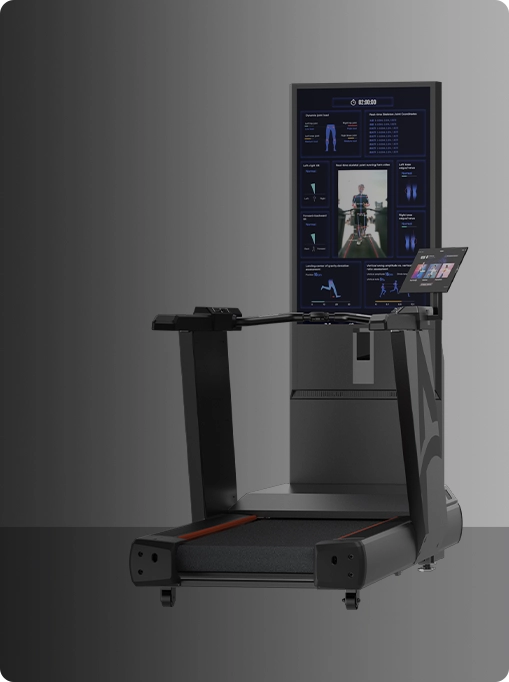
The incorporation of devices such as the Visbody S30 into gym settings has unequivocally elevated the standard for fitness tracking and member engagement. With each scan, gym members are offered a window into their physical progress, enabling a level of self-awareness and goal-setting that was once the purview of elite athletes. This democratization of detailed body composition data is revolutionizing the way we approach fitness, making personalized health goals more attainable for everyone.
Empowerment through Data
At the heart of 3D body scanning technology lies the power of information. Armed with detailed insights into their body composition, gym members can navigate their fitness journeys with confidence, making informed decisions about their training and nutrition. For trainers, this data provides a foundation for crafting fitness programs that are as effective as they are personalized, fostering a sense of partnership and progress with each member.
Moreover, the contrast between these advanced scanners and traditional DEXA scans—or even the limitations of at-home devices—underscores the value of accessible, comprehensive body composition analysis. The ability to track changes, set realistic goals, and adjust plans with such precision is not merely a convenience; it’s a transformation in how we conceive of and pursue fitness.
Looking Ahead
As we look to the future, the integration of 3D body scanning technology in gyms across the globe promises to continue reshaping the landscape of fitness and wellness. With each technological advancement and innovation, the potential for even more personalized, data-driven fitness experiences grows. The implications for gym member satisfaction, retention, and overall health are profound, pointing to a future where fitness is not just a routine but a finely tuned journey tailored to the individual.
In embracing 3D body scanning technology, gyms are not just investing in the latest fitness trend; they are pioneering a new standard in health and wellness. This commitment to precision, personalization, and progress represents the very best of what the fitness industry has to offer, ensuring that gym members and trainers alike are empowered to achieve their highest potential. The road to optimal health is a journey best navigated with the right tools, and as it stands, 3D body scanners are leading the way, one detailed scan at a time.