
Table of Contents
Introduction: The Importance of Personalization in Fitness
Retaining members is just as important as bringing in new ones in the cutthroat fitness sector of today. Customized fitness evaluations are an effective way to improve member retention. Fitness facilities can design individualized experiences that encourage long-term commitment by learning about each member’s requirements and progress. Fitness personalization encourages people to reach their goals more successfully and increases member happiness, which increases the likelihood that they will stick with their fitness facility.
What is a Fitness Assessment?
A thorough analysis of a person’s physical health and fitness levels is called a fitness assessment. In order to determine one’s current level of fitness, pinpoint strengths and limitations, and establish a baseline for comparisons in the future, it entails a number of tests and assessments. Physical fitness tests, body composition analysis, postural assessment, and general health evaluation are all commonly included in fitness evaluations.
What are the Benefits of Regular Fitness Assessments?
Frequent fitness evaluations have many advantages, such as:
– Personalized Fitness Plans:
Exercise regimens designed to meet the needs and objectives of each individual.
– Tracking Progress:
Set goals to monitor advancements and make required modifications.
– Injury Prevention:
Recognizing possible risk factors in order to stop injuries.
– Motivation:
Maintaining members’ motivation by demonstrating observable advancement.
– Health Awareness:
Raising consciousness of general fitness and health conditions.
The Role of Fitness Assessments in Member Retention
Fitness evaluations are essential for keeping members since they help them feel important and understood. Members are more likely to remain involved and dedicated when they perceive their fitness center to be interested in their personal development. Evaluations give individuals a clear path to reaching their goals, which increases member loyalty and happiness.
Components of a Comprehensive Fitness Assessment
– General Health Evaluation
An examination of overall health is the first stage of a fitness evaluation. It entails compiling lifestyle choices, medical histories, and present health issues. For each member, safe and effective workout routines must be customized using this information.
– Body Composition Analysis
An analysis of one’s body composition determines how much bone, fat, muscle, and water each component contains. A thorough grasp of a person’s body composition is provided by this research, which is crucial for creating individualized exercise regimens.
Recommendation:
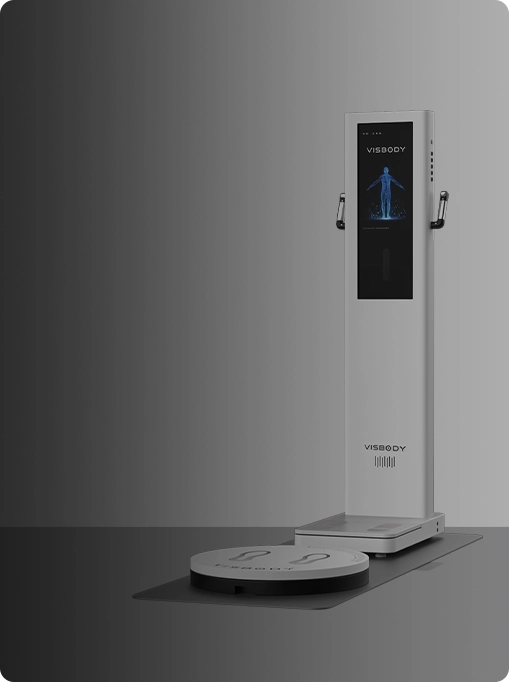
This is a cutting edge body composition analyzer, the Visbody S30. It provides precise assessments of body status, circumferences, joint function, dynamic function, and static postures using cutting-edge 3D body scanning technology. The Visbody S30 is a useful tool for fitness centers looking to provide individualized assessments because it produces accurate body reports and 3D body avatars.
Body Postural Assessment
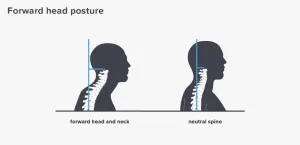
An evaluation of one’s alignment and posture is called a body postural exam. In addition to affecting general fitness, bad posture can cause a number of health problems. Fitness experts can create routines that enhance alignment and fix imbalances by evaluating a client’s posture.
Recommendation:
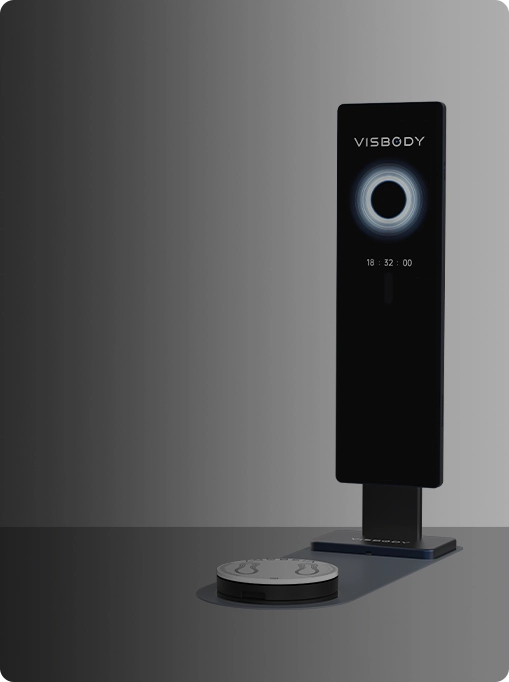
In tests of body posture, the Visbody M30 performs exceptionally well. Its 3D scanning technology precisely records still poses, assisting in the detection of any postural abnormalities that require adjustment.
Physical Fitness Assessment
A physical fitness evaluation consists of strength, endurance, and flexibility assessments. These assessments assist in assessing one’s present level of fitness and pinpointing areas in need of development.
Strength and Endurance Test & Flexibility Test (Recommendation: Visbody T30)
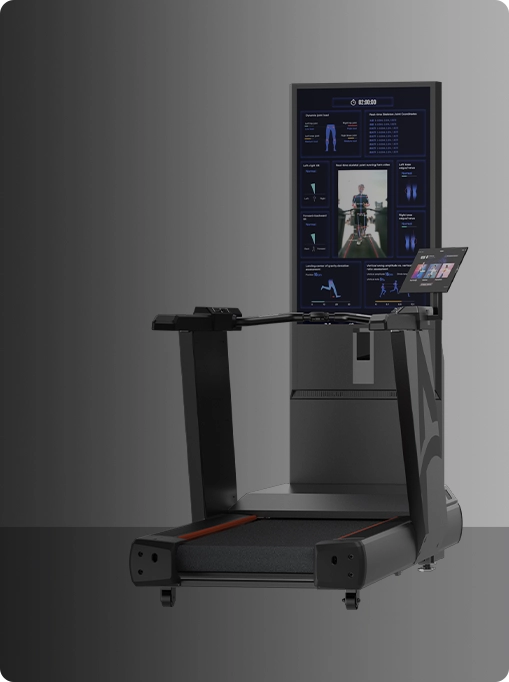
It is advised to use the Visbody T30 for tests of physical fitness. It provides accurate strength, endurance, and flexibility measurements, giving a thorough picture of a person’s physical capabilities.
Post-Assessment Strategies for Increased RetentionPersonalization Post-Assessment
Fitness facilities are able to further customize the member experience by utilizing information from fitness evaluations. The following are some tactics:
– Customized Workout Plans:
Develop specialized training schedules based on personal fitness evaluations. For instance, a member’s plan may call for additional cardio and fat-burning exercises if their body composition study indicates a larger percentage of body fat.
– Targeted Nutritional Advice:
Utilizing body composition data, provide tailored dietary recommendations. For example, provide advice on meal planning and protein intake if a member needs to grow muscle.
– Focused Training Programs:
Create tailored training plans to address the shortcomings found in the evaluations; for example, those with low flexibility scores should engage in flexibility exercises.
Continuous Engagement and Progress Tracking
Sustaining member motivation and retention requires ongoing interaction and progress monitoring. Here are some pointers:
– Regular Re-Assessments: Arrange for frequent fitness evaluations to monitor advancement and modify exercise regimens as necessary. Members are engaged and see measurable results as a result.
– Progress Reports: Give thorough reports on your progress that point out areas that have improved and others that still require work. Members may find these reports inspiring and useful in maintaining their goal-focused perspective.
– Interactive Tools: Engage members and monitor progress with interactive tools like web portals and mobile apps. Permit them to enter their information, make goals, and track their progress.
– Personalized Feedback:
Based on the findings of the assessment, provide encouraging words and tailored feedback. Acknowledging personal successes encourages loyalty and a sense of accomplishment. Conclusion When it comes to increasing member retention, personalized fitness evaluations are revolutionary. Fitness centers can give complete evaluations that offer useful insights into individual fitness levels by utilizing modern technologies such as the Visbody S30 and T30. Post-assessment personalization guarantees that participants feel appreciated and understood, which raises satisfaction and sustains engagement over time. Members are more inclined to remain faithful to their fitness center when they receive ongoing involvement and progress tracking. Accepting tailored fitness evaluations is about more than keeping people in the gym; it’s also about creating an inspiring and encouraging environment where people may reach their fitness and health objectives.
About Us
The first firm in the world to use dynamic 3D reconstruction technology for human body assessment is Visbody, which was founded in January 2014. Visbody examines and evaluates several body compositions, such as body status, circumferences, joint function, dynamic function, static postures, and more, using 3D body scanning and body analysis & reconstruction technologies to provide accurate 3D body avatars and trustworthy body reports. In the commercial fitness and wellness industries, Visbody’s body composition and 3D body scanners are commonly employed. In more than 40 nations and areas worldwide, they have offered top-notch services to franchise gyms, clinics, health centers, hotels, resorts, spas, and other clients. Visbody is an excellent tool for recording physical changes during training or therapy, as well as for assessing body composition and posture. Users from the US, Canada, Spain, Japan, Singapore, and other countries have left positive reviews. Visbody remains in the forefront of improving member retention and advancing general health and wellness through the utilization of cutting-edge technologies and a dedication to customized fitness.
References
Glofox [n.d.]. Five Components of an Excellent Fitness Evaluation. taken from [https://www.glofox.com/blog/5-elements-of-a-great-fitness-assessment/] via extraction The five components of a great fitness assessment are described in this article on Glofox.com.
The Institute of Health and Fitness. (n.d.). Fitness Assessments: A How-To Guide for Personal Trainers. The information was taken from [https://www.thfi.com/blogs/articles/fitness-assessments-a-how-to-guide-for-personal-trainer]