Postpartum fitness is more than just shedding the baby weight; it’s about embracing a holistic approach to wellness that supports physical, mental, and emotional health. The journey to regain fitness after childbirth comes with unique challenges and opportunities. Today, we explore the latest trends in postpartum fitness that are helping new moms stay fit, healthy, and confident.
Table of Contents
Holistic Wellness Approaches
The postpartum period demands a comprehensive approach to wellness. It’s not just about hitting the gym; it’s about nurturing your body, mind, and soul. New moms are increasingly adopting holistic wellness practices that integrate balanced nutrition, adequate hydration, and mindfulness practices like yoga and meditation. These practices not only help in physical recovery but also provide mental clarity and emotional stability.
Mindfulness practices, in particular, play a crucial role. Yoga and meditation help reduce stress, improve sleep, and promote a sense of well-being. Nutrition, too, cannot be overstated. A balanced diet rich in essential nutrients aids in recovery, boosts energy levels, and supports breastfeeding. Hydration is equally important, as it helps in maintaining energy levels and supporting overall bodily functions.
Focus on Pelvic Floor Health
Pelvic floor health is a cornerstone of postpartum fitness. Many new moms experience pelvic floor issues such as incontinence or pelvic organ prolapse due to the strain of pregnancy and childbirth. Addressing these issues early on is vital for long-term health.
Pelvic floor exercises, commonly known as Kegels, are essential. These exercises strengthen the pelvic floor muscles, providing better bladder control and supporting pelvic organs. Incorporating tools like pelvic floor trainers can enhance these exercises’ effectiveness, offering feedback and ensuring correct muscle engagement. These tools can be simple yet powerful, aiding in quicker recovery and improved pelvic health.
Integration of Technology in Fitness
High-Tech Solutions
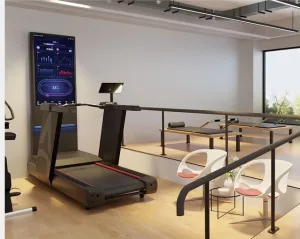
Technology has revolutionized postpartum fitness. High-tech solutions like fitness apps, wearable devices, and advanced equipment such as the Visbody scanner are gaining popularity. These technologies offer new moms personalized, data-driven insights into their fitness journey.
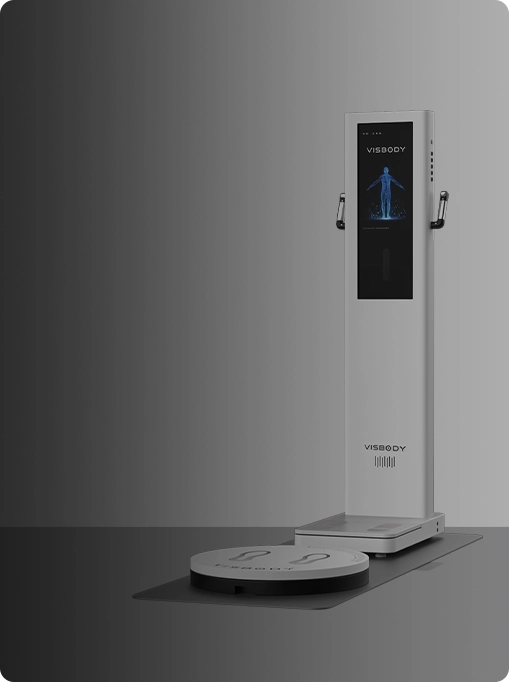
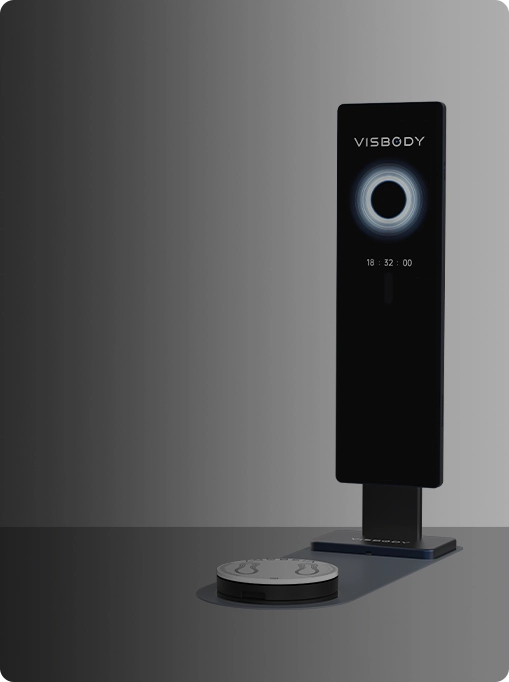
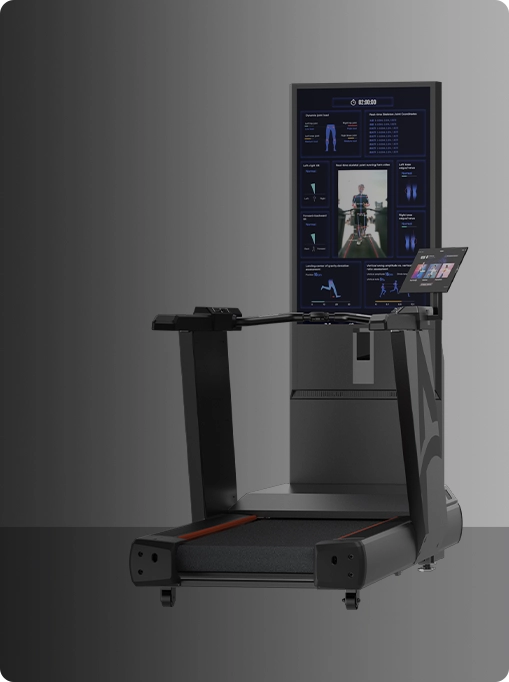
Fitness apps and wearables track various metrics, from steps taken to calories burned, providing real-time feedback and motivation. The Visbody scanner, a full body 3D scanner, offers a detailed analysis of body composition. This includes measurements of muscle mass, fat distribution, and metabolic rate, allowing for precise tracking and personalized fitness plans. Using a 3D body scanner can help new moms understand their progress in a detailed and visual manner, making it easier to stay motivated and on track.
Personalized Fitness Tracking
Using advanced tools like body composition analyzers and body fat analyzers, new moms can get a clear picture of their progress. These devices provide detailed reports on muscle mass, fat percentage, and overall body composition. A body scan machine helps track these metrics over time, making it easier to adjust fitness plans and set realistic goals.
For instance, a body fat calculator machine can measure body fat percentage, helping moms understand their body’s changes postpartum. This data-driven approach ensures that fitness plans are tailored to individual needs, promoting faster recovery and better results. Regular use of a body composition machine can show changes in muscle and fat distribution, allowing for timely adjustments in the fitness regimen.
Popularity of At-Home and Online Fitness Programs
The demand for at-home and online fitness programs has skyrocketed, especially among new moms. These programs offer the flexibility to work out from the comfort of home, which is a significant advantage when juggling childcare and household responsibilities.
Online fitness programs provide access to a wide range of workouts, from high-intensity interval training (HIIT) to yoga and Pilates. Platforms like Peloton, Beachbody, and YouTube fitness channels offer classes that can be streamed anytime, making it easier for new moms to fit exercise into their busy schedules. The convenience of at-home workouts cannot be overstated; it allows moms to exercise without worrying about finding a babysitter or commuting to a gym.
These programs also offer the benefit of personalization and variety. Many online fitness platforms allow users to choose workouts based on their fitness level, preferences, and goals. This variety ensures that new moms can find workouts that they enjoy and that fit their current fitness level.
Personalized Fitness Plans
Tailoring fitness plans to individual needs is crucial for new moms. Generic workout routines often fail to consider the unique physical changes and challenges faced during the postpartum period. Personalized fitness plans are designed to help moms recover safely and effectively, addressing specific areas such as core strength, flexibility, and endurance.
Fitness professionals play a vital role in creating these personalized plans. By using tools like a body composition machine and a body scan machine, they can gather detailed data on a client’s body composition and create customized workouts that target specific needs. This data-driven approach ensures that new moms get the support and guidance they need to achieve their fitness goals. A full body 3D scanner provides comprehensive data, allowing for precise adjustments in the fitness regimen to maximize results.
Emphasis on Low-Impact Workouts
Low-impact workouts are particularly beneficial for postpartum recovery. These exercises reduce the risk of injury while still providing effective results. Examples include walking, swimming, and low-impact aerobics. Pilates and yoga are also excellent choices, as they improve flexibility, strengthen core muscles, and promote relaxation.
Incorporating low-impact workouts into a fitness routine helps new moms ease back into exercise without overloading their bodies. These workouts can be gradually intensified as strength and endurance improve, making them a sustainable and safe option for postpartum fitness. The use of a body scanner fitness device can help monitor the effectiveness of these workouts, ensuring that progress is tracked and goals are met.
Community and Social Support in Fitness
Social support is a critical component of postpartum fitness. Community groups, online forums, and group fitness classes offer new moms a sense of belonging and encouragement. Connecting with others who are going through similar experiences can provide motivation, reduce feelings of isolation, and enhance overall well-being.
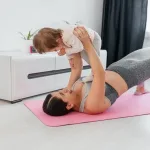
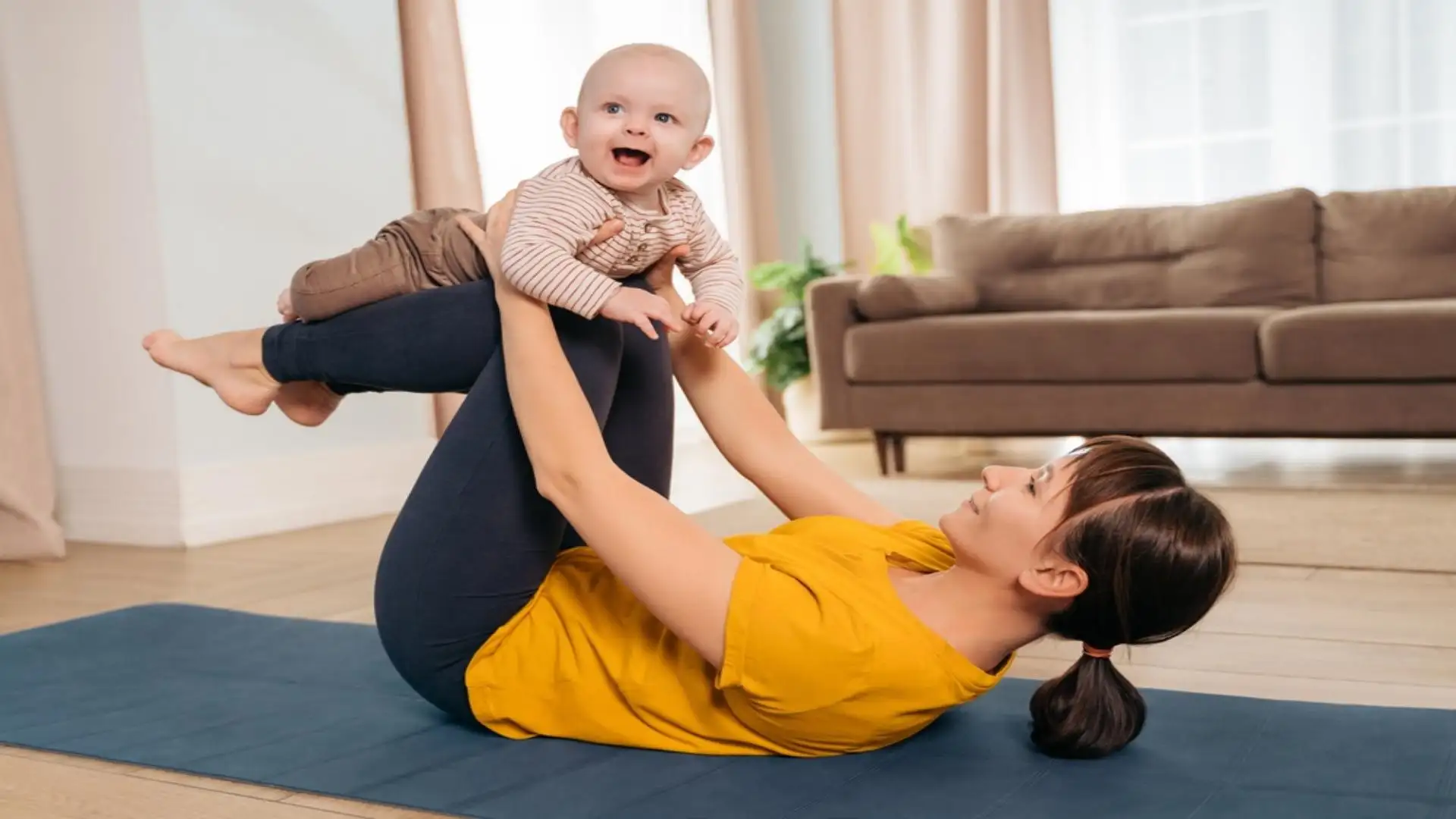
Group fitness classes specifically designed for new moms, such as stroller workouts or mom-and-baby yoga, combine exercise with social interaction. These classes create a supportive environment where moms can share their challenges, celebrate their successes, and build lasting friendships. The sense of community and shared goals can be incredibly motivating, helping new moms stay committed to their fitness routines.
Education and Awareness Programs
Educating new moms about postpartum fitness is essential for long-term health and wellness. Awareness programs provide valuable information on safe exercise practices, nutrition, and pelvic floor health. These programs empower women to make informed decisions about their fitness journey and encourage proactive health management.
Educational resources, such as workshops, online courses, and informative articles, offer guidance on various aspects of postpartum fitness. By increasing awareness and providing reliable information, these programs help new moms navigate the challenges of postpartum recovery with confidence. For instance, understanding the benefits of using a body fat analyzer or a body composition analyzer can encourage new moms to adopt these tools in their fitness routines.
FAQs on Postpartum Fitness:
Why are pelvic floor exercises important after childbirth?
Pelvic floor exercises strengthen muscles to improve bladder control and support pelvic organs, preventing issues like incontinence.
How can personalized fitness plans benefit new moms?
These plans address unique postpartum changes, ensuring safe and effective recovery by targeting core strength, flexibility, and endurance.
What are the benefits of low-impact workouts for postpartum recovery?
Low-impact workouts reduce injury risk while effectively improving strength and endurance. Examples include walking, swimming, and yoga.
How can technology like fitness apps and wearable devices support postpartum fitness?
They track metrics like steps and calories, providing motivation and real-time feedback. Visbody offers detailed body composition analysis for personalized plans.
How often should new moms use body composition analysis tools like Visbody?
Regular scans, such as monthly, help track progress and adjust exercise plans for continuous improvement.
Can at-home and online fitness programs be as effective as in-person workouts for new moms?
Yes, they offer flexibility and personalized workouts, making them convenient and effective for managing fitness at home.
How can new moms ensure they are performing pelvic floor exercises correctly?
Guidance from a physiotherapist and using tools like pelvic floor trainers can help ensure proper technique and effectiveness.
Conclusion
Postpartum fitness is evolving, with new trends emphasizing holistic wellness, personalized fitness plans, and the integration of technology. From focusing on pelvic floor health to leveraging advanced tools, new moms have access to innovative solutions that support their fitness journey. Adopting these trends and incorporating them into daily routines can help new moms achieve their health and fitness goals, ensuring a strong and healthy start to motherhood.