On a weight loss journey, you’ll come across two terms: water weight and body fat. Approximately 60% of an adult’s body is made up of water, which clearly indicates the water content that adds to your overall weight.
However, water weight is just extra water held by the body and can fluctuate depending on factors such as diet and hormonal changes. One thing that significantly adds to your weight is the body fat.
Therefore, it is crucial to know the difference between water weight and body fat to achieve your weight loss goals. This article will delve deeper into distinguishing between the two and how you can assess them.
Table of Contents
Understanding Water Weight
Let’s begin with the most basic one. As you might know, water weight is simply the build-up of fluid in your body. You gain water weight when the body stores excess water in various tissues. It is usually temporary and can fluctuate depending on different factors. For instance, you can observe a change in water weight within a few days or even hours. It can range from 1-5 pounds or more due to water retention in a person. Enlisted below are some of the common causes of water weight:
- Consuming too much salt or a high sodium intake can cause increased fluid retention in the body.
- Dehydration or loss of water can also lead to an increased water weight.
- Hormonal changes during pregnancy or menstrual cycle in women can also result in excess water weight.
These are just some causes that can contribute to an increased water weight. Medications such as corticosteroids or anti-inflammatory drugs can also cause the body to retain water. Similarly, physical inactivity or poor lifestyle habits can accumulate water in the body.
Understanding Body Fat
Body fat, also known as adipose tissue, is the number of fatty muscles stored in the body. It can be of different types, including subcutaneous fat and visceral fat. The latter is found around internal organs and is less visible than the one under the skin. Irrespective of the type, body fat serves several vital functions in the body’s energy storage during fasting or intense physical activity. Moreover, body fat acts as an insulator and protects essential organs from physical shock. Here are some factors that can contribute to fat gain:
- Poor lifestyle habits involving physical inactivity, disturbed sleep patterns, or chronic stress.
- Consuming diets high in processed food, sugary drinks, and beverages.
- Biological factors such as age and hormonal imbalance.
How to Tell the Difference
Now you have a clear idea about the water weight and body fat and what role they play in our bodies. However, one thing that still confuses people is identifying between the two. It might seem challenging, but you can distinguish between water weight and body fat by looking at the following factors:
Symptoms and Signs
The first thing that will help in distinguishing between water weight and body fat is their visible signs and symptoms. A person with excess water will experience rapid weight fluctuations within a few days or hours. He might lose or gain several pounds in a short period and have puffiness in areas like his hands, feet, and face. Here are some other symptoms of water weight:
- Visible bloating, especially in the abdomen, legs, ankles, and feet.
- Edema or pressing on the swollen area.
- Increased retention before menstruation in women.
On the other side, when you have excess body fat, you will feel a consistent weight increase that gradually increases with time. Moreover, the circumference measurements also increase, especially around the waist, hip, thigh, and other body parts. So next time your clothes fit tighter in these areas, you should know that it is due to the body fat gain.
Diagnosis Techniques
Apart from the general symptoms, you can also distinguish between water weight and body fat from their diagnosis methods. Different techniques are used to evaluate body weight and provide detailed insights into the overall body composition. Let’s look at the methods used to assess water weight:
- Physical Signs
Water weight can be checked by visible signs such as sudden weight fluctuations daily or over shorter periods. Plus, body areas might feel puffy and swollen, showing localized puffiness in the face, fingers, and feet. You can also experience visible bloating or quick weight increase.
- Dietary Review
Another simple and effective method to assess water weight is through dietary review. It involves evaluating dietary habits and specific intake patterns that can influence water retention in the body. For instance, high sodium intake can lead to increased water weight. Thus, it is advised to limit daily sodium intake to less than 2,300 mg. You can also check water weight by analyzing potassium, carbohydrate, and fluid intake patterns.
These were the simple and effective diagnosis methods to assess water weight. For body fat analysis, you need to go one step beyond and look for specialized methods to perform a thorough body analysis. Here are some methods used to assess body fat:
- Skinfold Calipers
One of the best ways for body fat measurement is using skinfold calipers. They measure the thickness of subcutaneous fat at various body sites. This way, you can estimate body fat percentage based on skinfold measurements and track the changes over time.
- DEXA Scans
Although skinfold measurements are used, they are not accurate in assessing body fat. Therefore, a more advanced method called dual-energy X-ray absorptiometry, or DEXA scan, is used to measure body fat. These scans use low-dose X-rays to differentiate between bone, fat, and lean tissue. Thus, you can get highly accurate body fat percentage, lean body mass, and bone density measurements.
- Bioelectrical Impedance Analysis
Another way to measure body fat is through bioelectrical impedance analysis (BIA). it measures body composition by sending a small electrical current through the body. Using this method, you can estimate body fat percentage and lean body mass and thus identify whether weight changes are due to fat or other tissues.
- Body Composition Scales
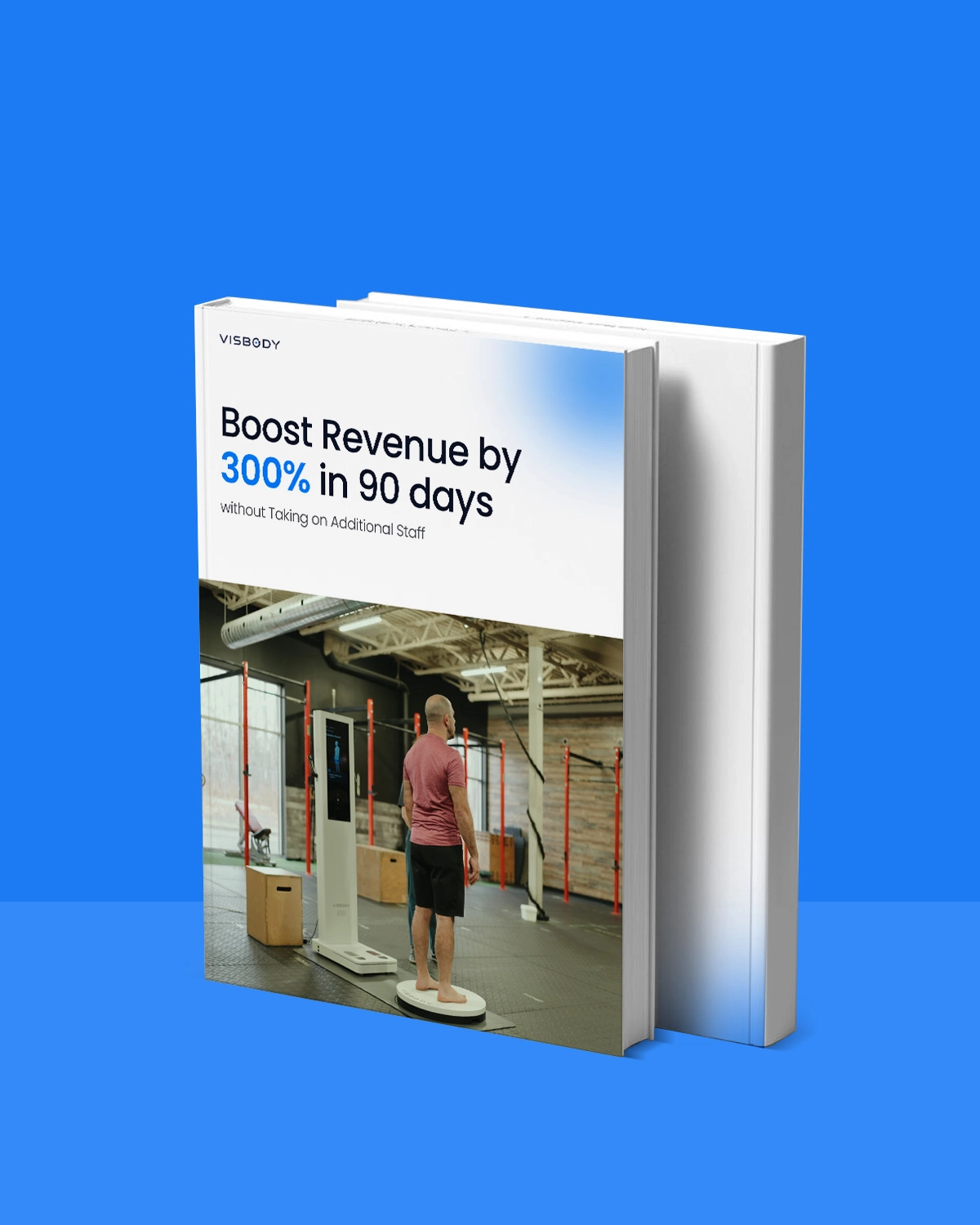
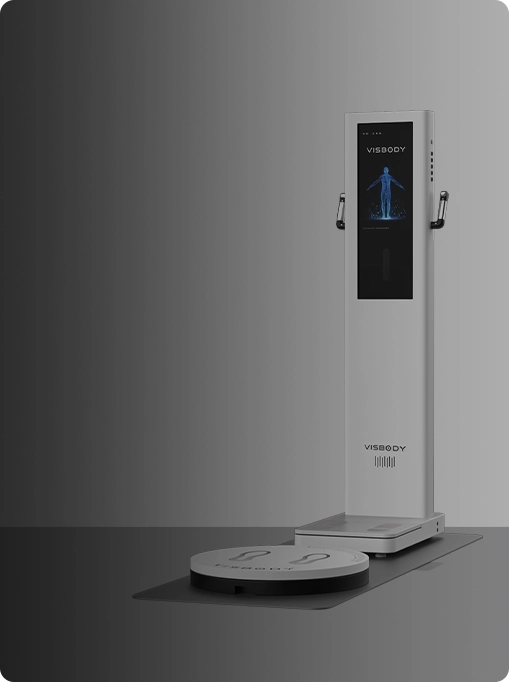
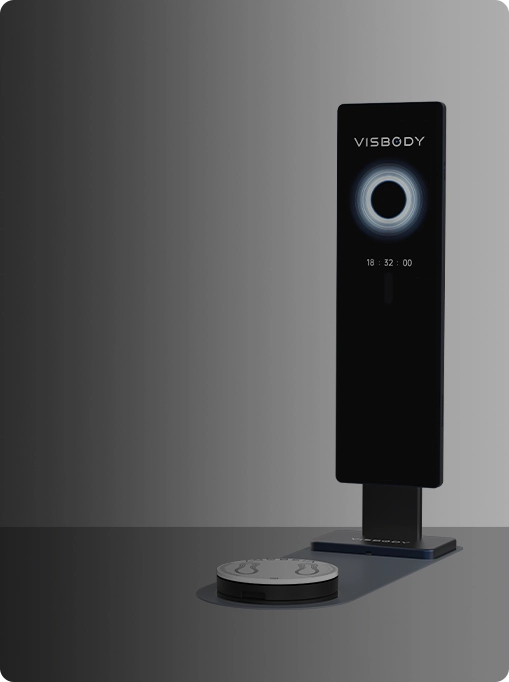
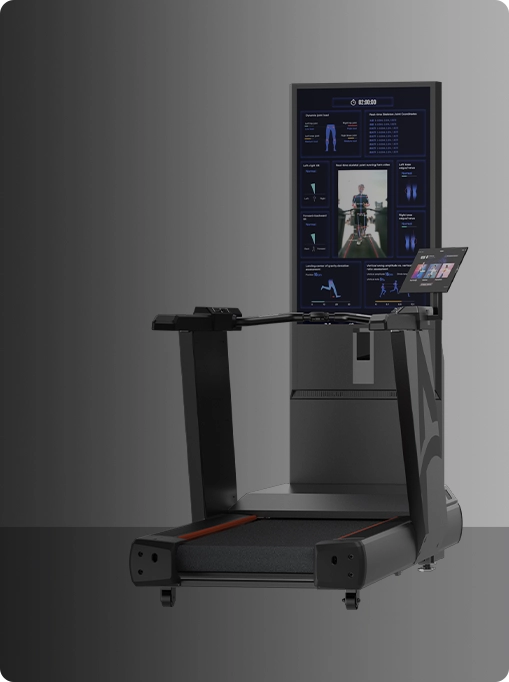
Nothing could be better than the innovative body composition scales for precise and accurate body fat measurement. These 3d body scanner devices assess each part of your body and provide in-depth details about your body fat and muscle mass. A body scan machine like Visbody helps you take circumference measurements to evaluate your health better and achieve fitness goals. Here are some of the key features of this scanner machine:
- Helps in monitoring body core composition changes over time
- Assists in muscle-fat analysis by providing accurate measurements
- Determines the percentage and location of visceral fat
- Provides precise results compared to traditional weight-measuring methods
Furthermore,the body scanner device is equipped with advanced technology and thus 10x more accurate than standard measuring tools. It helps in analyzing even minor details of your body composition with an initial scan. Hence, you can easily track your progress over time using a full-body 3d scanner.
Management Strategies for Water Weight and Body Fat
Now you know all the accurate methods of measuring water weight and body fat, you can achieve your weight loss goals with more clarity. However, you cannot solely rely on these evaluation devices and have to do the work yourself. For this, here are some management strategies that you can follow for water weight and body fat:
Managing Water Weight
Water weight, also known as fluid retention or edema, can pose significant threats to your body if not managed properly. Excess fluid in the body can cause swelling of the body parts, stiffness of the joints, and various other health issues. For this reason, healthcare experts advise managing your water weight to live a satisfied and risk-free life. Following are some tips to manage your water weight:
- Reduce sodium intake by avoiding processed foods, salty snacks, and fast foods. Choose unprocessed and organic food instead.
- Eat potassium-rich foods like bananas, oranges, spinach, sweet potatoes, and avocados.
- Stay hydrated and aim for at least 8 cups of water a day.
Reducing Body Fat
Similar to water weight, excess body fat is bad for your body, causing various cardiovascular diseases and strokes. Too much fat can also increase the risk of diabetes and lead to chronic conditions. Here are some ways to reduce body fat:
- For fat loss, consume fewer calories than you burn. Determine your daily caloric needs and aim to consume 500-750 calories less per day.
- Focus on a balanced diet rich in nutrients. High-protein foods like lean meats, fish, beans, and legumes help maintain muscle mass.
- Include activities like walking, running, cycling, or swimming to burn calories.
- Aim for 7-9 hours of quality sleep per night and maintain a consistent sleep schedule.
Conclusion
If you’re aiming for weight management and a healthy lifestyle, the first step is to know the difference between water weight and body fat. This distinction can help you achieve your fitness goals more accurately and quickly. A hot tip is to use the body fat calculator machine or advanced scanning devices for a more convenient approach. This way, you can live a satisfied life free from health disorders and weight issues.