Whether you’re experiencing back pain, muscle tension, or fatigue, your bad posture is the core reason behind almost every physical problem. Over 31 million Americans are suffering from poor posture issues, which eventually cause severe health complications.
The worst thing about poor body posture is it can happen at any age and is a severe cause of spinal dysfunction or joint degradation. This is where the concept of postural realignment comes in.
By knowing the proper alignment of your body, you can be in a better health shape and thus maintain your body balance. An accurate posture assessment also helps reduce the risk of muscle breakdown or body imbalance injuries.
However, evaluating your body posture is not a child’s play. Therefore, this article provides an in-depth guide on posture problems and how to work on postural realignment.
Table of Contents
What is Postural Realignment?
As the name indicates, postural realignment is about improving your body posture by correcting imbalances and working on the misalignments. Its purpose is to maintain the natural curvature of your spine and keep your head, shoulders, or hips in the appropriate position. You can adjust your posture by following a specific exercise, changing lifestyle habits, or using specialized devices. Enlisted below are some reasons why postural realignment is essential for a healthy body:
- It improves overall physical health and enhances performance by maintaining a good body balance.
- A good posture keeps your muscles and joints in the appropriate position to prevent degenerative issues like arthritis or other musculoskeletal disorders.
- It boosts your performance and makes you look brighter and more energetic.
Different Types of Postural Problems
If a person does not work on postural realignment, he can get into serious postural problems. These posture deviations can often lead to pain, discomfort, or musculoskeletal issues. Here are some common types of posture problems observed in different people:
Kyphosis
Let’s start with the most common one. Kyphosis is the forward rounding of your upper back or thoracic spine. It gives you a hunch-like appearance where the shoulders are rounded forward. It’s more common in older people, especially in women who have weakened spinal bones or other age-related issues. People with Kyphosis are taller, have larger breasts, and have an increased risk of injuries. Almost 20 to 40% of older men and women have this posture problem, and the number increases with age.
Lordosis
If you’re someone who spends most of the time sitting on a computer, you’re at a greater risk of cervical or lumbar lordosis. It is the inward curve of the spine that affects the lower back and keeps you in a swayback position. Surprisingly, it affects people of all ages, including children and students, on a large scale. It can lead to lower back pain, neck pain, or other hip injuries if it worsens. Some of the common causes of Lordosis include the following:
- Weak abdominal muscles
- Obesity or over-weight
- Sports injury or trauma
- Muscular dystrophy
Scoliosis
The twisting, rotation, or side-to-side curvature of the spine is often called Scoliosis. It ranges from mild to severe and can be due to unknown causes or neuromuscular conditions. Usually, adults suffer from this postural deviation, and the visible signs can include uneven shoulders, larger hips, or uneven waist. This normal or sideway curvature of the spine can run down to your back and cause severe hip or back pain.
Flat Back Syndrome
Flat back syndrome is a stooped curvature or straightening of your lower back. In it, the spine becomes flatter than normal, and the lower spine loses its curvature. This way, you can feel difficulty standing for a long period or can suffer from long-term leg pain. The most common causes of flat back syndrome include the following:
- Degenerative disc disease
- Spine or lower back surgery
- Inflammatory arthritis
- Vertebrae compression
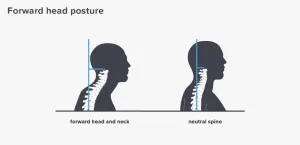
These are just some of the problems resulting from postural deviation. The list continues with other potential posture problems that occur in all kinds of individuals. For instance, forward head posture is commonly observed in people who spend most of their time on screens. Similarly, text neck is another posture problem resulting from the extensive use of smartphones or tablets.
Postural Realignment Techniques
After reading a list of the postural problems, you might get anxious about your spine and overall body health. However, there is nothing about it, as there are effective solutions to each postural deviation. With just a few simple strategies, you can not only realign your posture but also improve your spine health within days. Let’s discuss these techniques one by one below:
Ergonomic Adjustments
The best feeling is when you have an ideal posture with an optimal spine alignment. To achieve this, you need to work on making ergonomic adjustments. This involves the proper workstation setup that favors a good posture. Ensure your chair supports your lower back, the monitor is at your eye level, and your feet flat on the floor. For ideal posture alignment, shifting from sitting to standing after an hour or so is always recommended.
Postural Exercises
Strengthening exercises are ultimately the best way to get postural realignment. These strengthen your weak core muscles and reduce excess strain on the discs or joints. Exercises like the Shoulder Blade Squeeze are highly effective in stretching muscles and improving body balance. Additionally, you can implement core exercises like yoga or pilates to get back a healthy spine.
Use of Posture Correctors
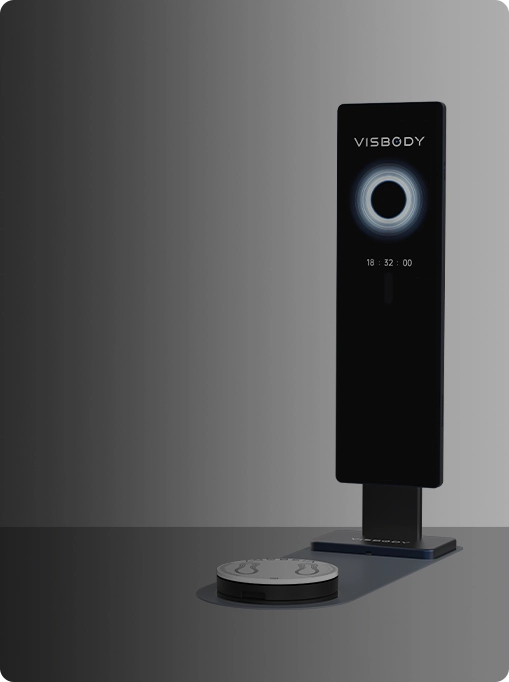
Another practical way of postural realignment is taking help from specialized devices like posture correctors. You can use braces to keep your spine and lower back aligned. Moreover, specific tech gadgets, such as the Visbody S30, can be used as training tools for posture evaluation and alignment. It provides feedback and monitors your health to maintain a good posture.
How can Visbody S30 Help you to Improve your Posture?
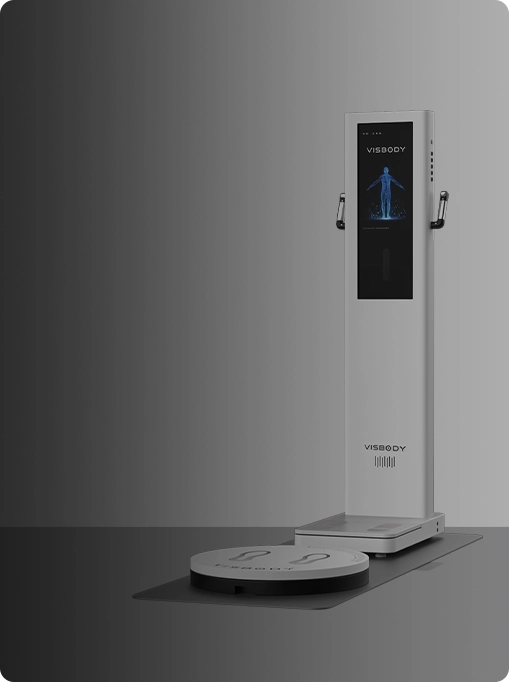
Considering the increasing need for a good posture, Visbody introduced its innovative body composition scanner named Visbody S30. It is a 3d body scanner designed to improve an individual’s overall fitness and health. It is equipped with hybrid technology, such as 3d body scanning and BIA, to review your body composition thoroughly. Enlisted below are some of the key features of Visbody S30, along with its pioneering role:
Gathers Body Data
The first and crucial posture evaluation step is a complete body scan. The body scan machine runs at a unique 360-degree angle and gathers body data efficiently. After taking a 360-degree view of an athlete’s body, it assesses his static and dynamic postures. This ensures that the patient’s physical state can be examined carefully and any posture imbalance can be detected.
Body Circumference Analysis
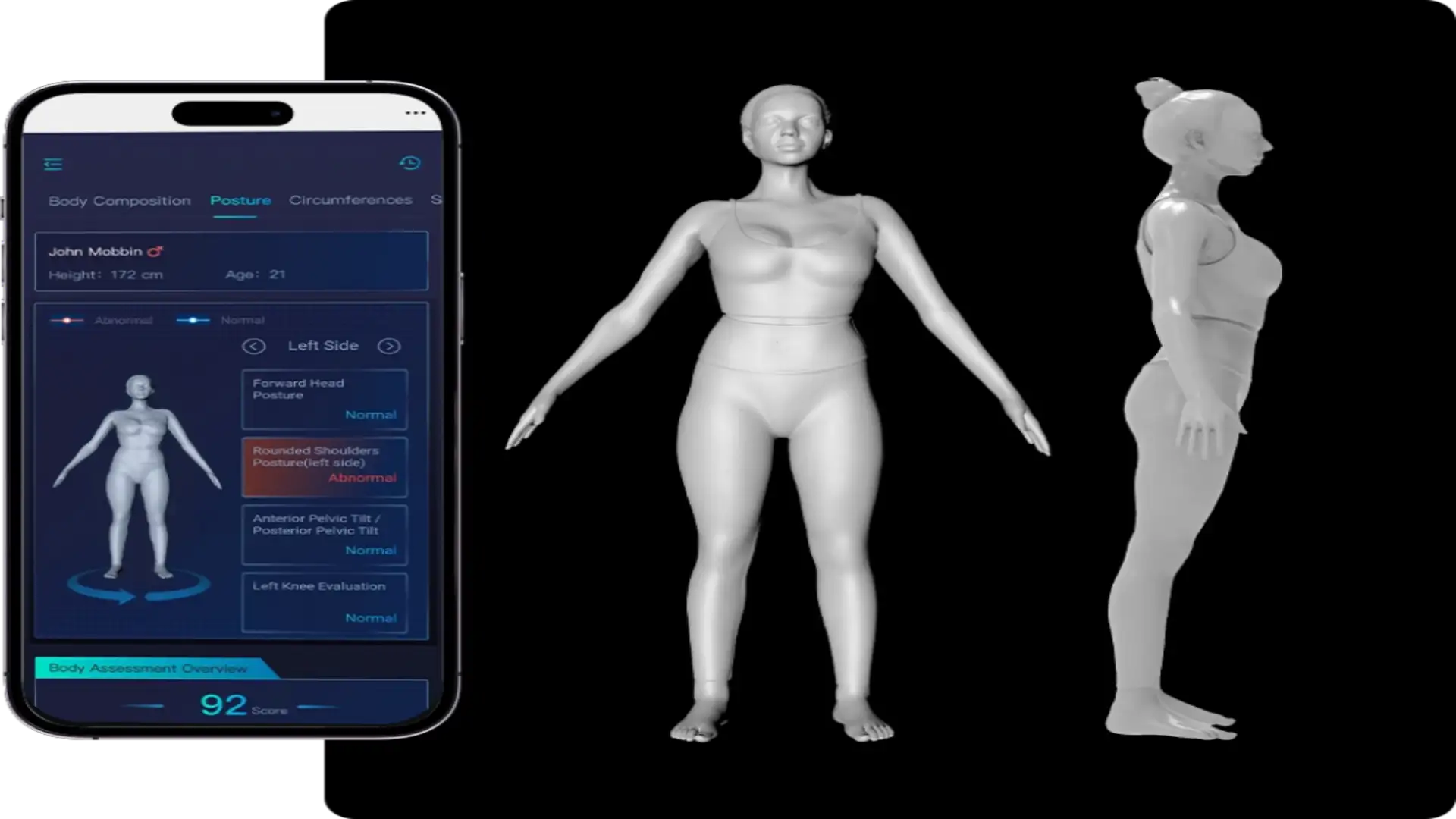
With the help of a depth-sensing camera, the Visbody S30 performs 13 body circumference measurements. It accurately sees complete body details with a comprehensive focus on posture measurement. Starting from the neck, it moves the scanner to the waist, chest, and right and left legs. Each body portion, including the hip, thigh, arms, and shoulders, is evaluated with 100% accuracy.
Posture Evaluation
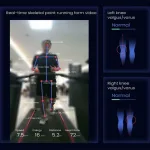
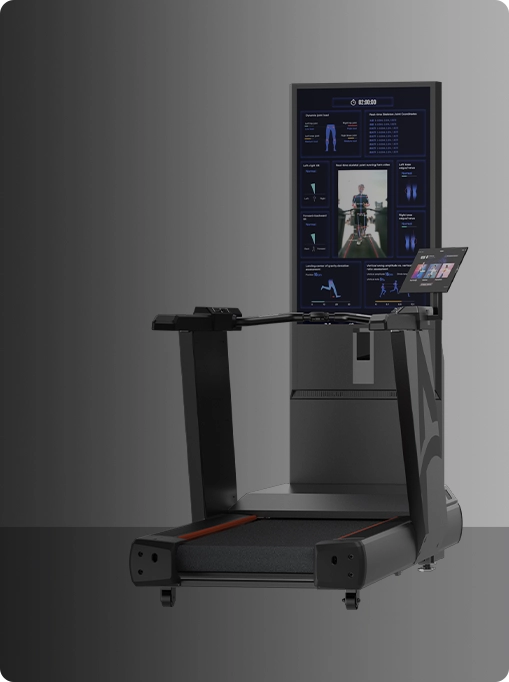
Now comes the most important function of this body scanner device. Using an innovative and advanced point detection technology, Visbody M30 evaluates the physical strength of a patient. It provides complete details on the balance and physical movement of your body. It takes into account the following 9 postural assessment areas:
- Forward Head Posture
- Head Tilt
- Left and right Rounded Shoulders Posture
- Uneven Shoulders
- Anterior Pelvic Tilt
- Posterior Pelvic Tilt
- Left Knee Evaluation
- Right Knee Evaluation
- Leg Type (Right and Left)
Besides, it performs an in-depth physical examination and determines if there is any imbalance in your body posture. In case of any postural abnormalities, it reveals the possible issues and thus assists in improving a client’s posture problems.
What are the Benefits of Postural Realignment?
Now, you completely understand postural realignment, the most common postural problems, and the practical strategies for improving your posture. However, you might wonder about the benefits of postural realignment and how it can help you improve your overall health. Let’s discuss some of the advantages below:
- It evenly distributes the body weight and reduces strain on joints or muscles.
- Proper alignment can improve the range of motion and enhance mobility or flexibility.
- Older adults get help by balancing their body posture and can perform more efficiently in their day-to-day activities.
- A good posture improves blood circulation and promotes a better flow throughout the body.
- Posture realignment can lower stress anxiety levels and thus improve your mental health.
Apart from these benefits, postural realignment can benefit people of all ranges. Whether you’re someone looking to improve your overall well-being or have specific health issues, you can get help from postural realignment. For instance, people with chronic pain, office workers, athletes, and people with age-related issues can benefit from postural improvement.
Conclusion
To summarize, postural realignment is crucial in improving overall body health and benefits people of all ages. Individuals suffering from various spine alignment or joint issues can enhance their physical performance by working on body posture. Moreover, you can get help from specialized devices such as Visbody S30 to get detailed insights and feedback about your spine health.