
Table of Contents
Introduction
Running is a basic exercise that improves cardiovascular health and mental health, among other aspects of health. However, a thorough understanding of running form and biomechanics is necessary to maximize performance and avoid injuries. Conventional techniques for conducting analysis sometimes rely on subjective and imperfect visual observation or video analysis. The ability for runners to assess and refine their form has changed with the introduction of high-tech treadmills and AI-powered running coaches. The Visbody Creator600, a 3D visualization running form assessment tool that provides in-depth insights into running mechanics, is one ground-breaking breakthrough in this discipline. This essay examines how thorough evaluations and useful insights from the Creator600 might improve your running performance.
How to Analyze Running Form?
Examining running biomechanics is crucial for identifying areas of improvement and preventing injuries. Traditional methods, such as visual observation and video analysis, often fall short due to their subjective nature and limited scope.
Initially, coaches and physiotherapists relied on their expertise and observational skills to provide feedback on running form. While beneficial, this approach lacked the detailed and nuanced information necessary for a thorough assessment. The advent of motion capture technology and smart treadmills has revolutionized this field. Equipped with sensors and AI algorithms, these devices deliver accurate readings of various biomechanical parameters, offering an in-depth analysis of a runner’s form.
Modern technology, including smart running analyzers and high-tech treadmills, offers a more comprehensive and precise evaluation. These tools can measure dynamic joint load, landing mechanics, knee joint dynamics, vertical amplitude ratio, and overall running posture.
Running Biomechanics Basics
Comprehending running biomechanics is essential for performing a successful form analysis. The study of biomechanics focuses on how the body moves and how the muscles, bones, tendons, and ligaments interact to create motion. Among the fundamental ideas of running biomechanics are:
– Stride Length and Frequency: The total number of steps per minute and the distance traveled in a single stride. These elements affect efficiency and speed. The force that the ground applies to the body during running is known as the Ground Reaction Force. This force affects muscles and joints, increasing the chance of damage.
– Joint Angles and Movements: This refers to the angles at which the knees and hips, among other joints, move throughout the running cycle. Joint mobility must be appropriate for both effectiveness and injury avoidance.
– Center of Gravity: The location of the body’s center of mass and motion when running. Retaining a steady center of gravity helps improve balance and lower the chance of injury. Every runner’s biomechanical pattern is different, shaped by their anatomy, strength, flexibility, and past injuries. Comprehending these trends can assist in customizing training regimens to enhance efficiency and lower the likelihood of accidents. For example, an imbalance in stride length and frequency may suggest that running technique needs to be adjusted or that particular muscle groups need strength training.
Introduction to the Creator600: Revolutionizing Running Assessments
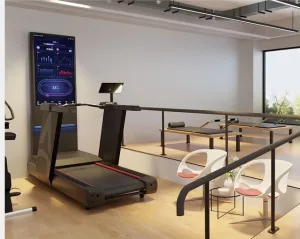
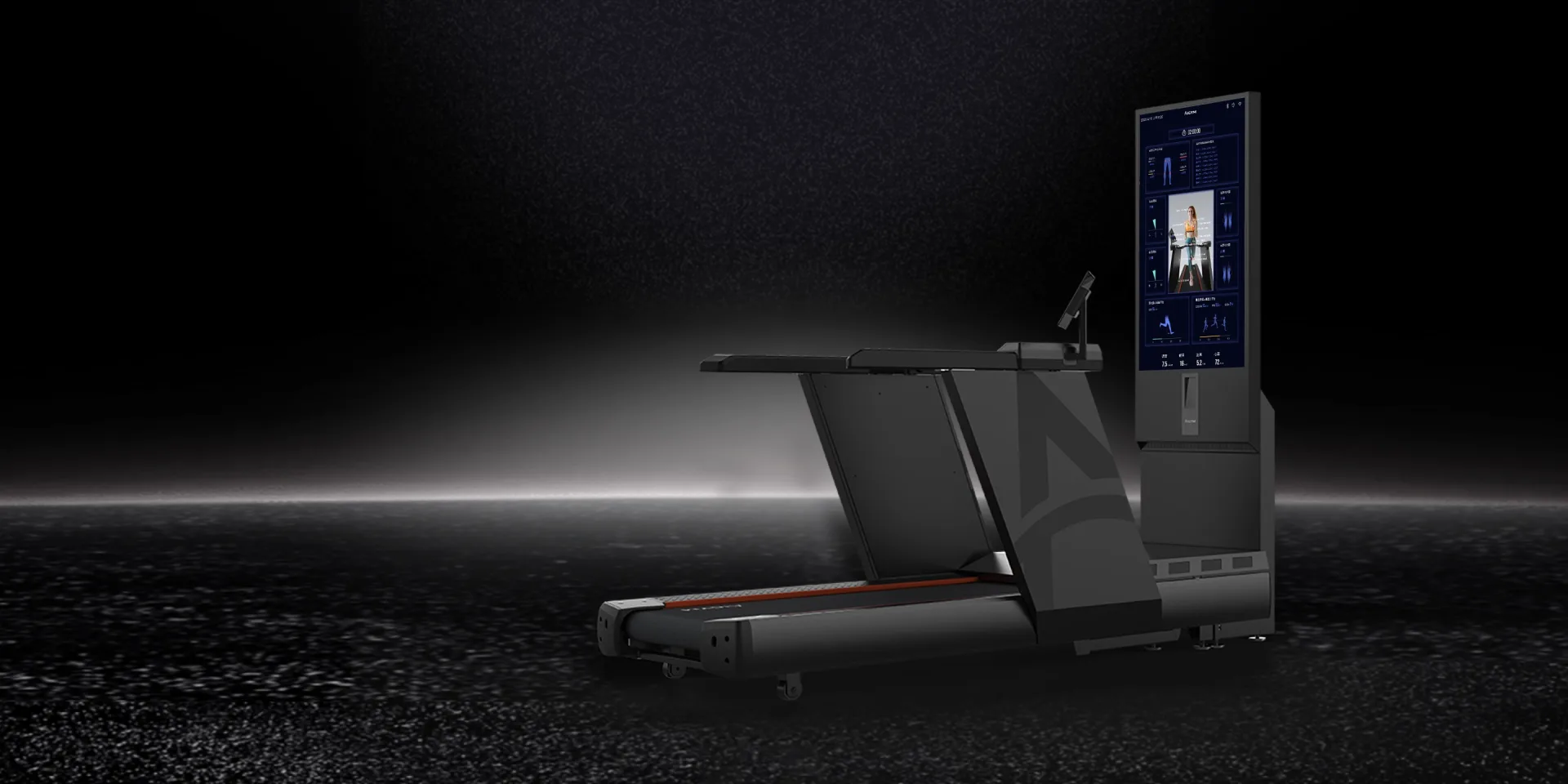

Using 3D body scanning and dynamic reconstruction technology, the Visbody Creator600 transforms running assessments by offering a thorough examination of running form. This cutting-edge treadmill combines sophisticated sensors with artificial intelligence-powered software to record comprehensive biomechanics data from runners. The Creator600 evaluates a number of running mechanics factors, providing information that was previously hard to get by using conventional techniques. With its ability to capture data from various angles and produce a 3D image of the runner’s body in action, the Creator600’s technology facilitates a multifaceted study. This all-inclusive method guarantees that no facet of running form is missed. Through the integration of data from many sensors, the Creator600 can offer long-term analysis and real-time feedback, enabling runners to gain a comprehensive understanding of their form and make well-informed adjustments.
What Will Be Covered in a Running Assessment?
Several essential elements are covered in a running assessment with the Visbody Creator600, each providing distinct insights into various facets of running mechanics. Here’s a thorough look at what to anticipate:
– Dynamic Joint Load Evaluation: Running-related forces applied to the joints are examined by dynamic joint load evaluation. This evaluation aids in locating regions where trauma from extreme stress may result in damage. The sophisticated sensors on the Creator600 assess the strain on joints including the ankles, hips, and knees, giving information that may be used to improve running form. Runners can choose their training and recuperation plans with knowledge of the dynamic loads exerted on their joints. For example, a runner may increase strength training for the quadriceps and hamstrings to better support the knee joint if the evaluation indicates excessive strain on the knees. Furthermore, overuse injuries can be avoided by modifying running technique to more evenly distribute the burden.
– Assessing Landing Mechanic: Minimizing impact and avoiding injury need proper landing techniques.
The way the Creator600 evaluates landing mechanics is as follows:
– Center of Gravity Deviation: Examines how the landing balance and stability are maintained by analyzing how the center of gravity changes. A departure from the ideal center of gravity may be a sign of imbalance or weakening in specific muscle groups.
– Lateral and Medial Balance Evaluations: Determines how well the foot balances on its medial (inner) and lateral (outer) sides after landing. Ankle conditions like plantar fasciitis and IT band syndrome can result from imbalances. For the purpose of absorbing the impact forces produced while running, landing mechanics are essential. Running efficiency can be increased and injury risk can be decreased with proper alignment and balance. For instance, placing the foot exactly beneath the center of gravity of the body can improve stability and lessen joint stress.
Dynamics of Knee Joints Dynamics
For effective running that is free of injuries, knee joint dynamics are essential. The Creator600 assesses:
– Inward/Outward Rotation Analysis: Finds any aberrant knee joint rotation that may cause damage. Excessive rotation in either direction might be a sign of imbalanced muscles or poor running form.
– Knee Joint Angle Curve Evaluation: To guarantee ideal alignment and function, measures the knee joint’s angles during the running cycle. Appropriate knee angles can lower the chance of injury and increase running efficiency. Because of the constant strain it experiences, runners’ knee joints are among the most susceptible. Through the analysis of knee movement dynamics, the Creator600 can assist runners in understanding how to modify their form in order to safeguard this important joint. For instance, improving running form and strengthening the hip abductors may be necessary to rectify inward rotation. – Vertical Amplitude Ratio Evaluation: The body’s vertical movement when running is evaluated by the vertical amplitude ratio. An excessive amount of vertical movement may be a sign of poor running form and higher energy usage. The vertical amplitude ratio data from the Creator600 aids runners in fine-tuning their gait for improved performance. Reducing needless vertical movement is a crucial component of efficient jogging. Runners can increase their speed and endurance while saving energy by decreasing the vertical amplitude. With the aid of the Creator600’s evaluation, runners can learn to run more economically by identifying instances of excessive bounce or vertical displacement.
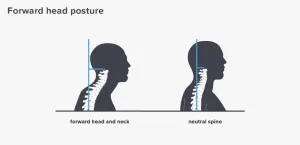
– Running Posture Score and Analysis: Running form has a big impact on both performance and risk of injury. The Creator600 uses an analysis of body part alignment during running to determine a running posture score. This score gives a general evaluation of running form and points out areas that require work. Maintaining a modest forward lean, keeping the head up, and making sure the shoulders are relaxed are all part of good running posture. The posture analysis feature of the Creator600 gives runners detailed advice on how to improve their posture as well as an understanding of how it affects their performance. For example, adjusting a forward head posture might increase the effectiveness of breathing and decrease strained neck.
Who Can Benefit From a Running Assessment?
Conducting evaluations using the Visbody Creator600 has several advantages for different people:
– Professional Athletes: To improve performance and lower injury risk, elite runners can fine-tune their form. They can obtain a competitive advantage by using comprehensive biomechanical data.
– Amateur Runners: Recreational runners are able to recognize and fix form flaws in their running. This can help them accomplish personal objectives and improve their love of the activity.
– Fitness Enthusiasts: People who frequently use treadmills can maximize their training sessions for improved outcomes. They can increase their level of fitness and prevent injuries by being aware of their biomechanics.
– Injury-Prone Runners: Assessments can be used by those who have a history of running-related injuries to avoid problems in the future. Recognizing biomechanical defects can help direct recovery and stop relapses.
– Coaches and Trainers: Experts can create individualized training plans for their customers using the information gathered from administering evaluations. This guarantees that the training is customized to the biomechanical profile of the individual.
Conclusion
Running performance evaluation has advanced significantly with the incorporation of 3D visualization and sophisticated biomechanics analysis, as demonstrated by the Visbody Creator600. With the Creator600, runners of all skill levels may optimize form and lower their risk of injury by receiving detailed insights regarding dynamic joint load, landing mechanics, knee joint dynamics, vertical amplitude, and overall running posture. Adopting this technology can improve your running efficiency and safety with each stride. Visit Visbody Creator600for additional details about the Visbody Creator600 and other cutting-edge running equipment. You may confidently reach your fitness objectives and improve your running performance by utilizing state-of-the-art technology. Running enthusiasts and athletes are rethinking their approach to the sport thanks to the Visbody Creator600 and other tools in the ever-evolving field of fitness technology. For those seeking to enhance their running form, the Creator600 provides a comprehensive solution that blends scientific rigor with real-world applications. The knowledge obtained from a 3D visualization running form evaluation can be quite helpful in your quest for improved performance and health, regardless of your level of experience.
References
Bates, B. T., Dufek, J. S., and Mercer, J. A. (2003). Women’s drop landing kinematics are improved with haptic feedback. Musculoskeletal Research Journal, 7(1), 15–24. From https://doi.org/10.1142/S0218957703000454
Powers (2003), C. M. A biomechanical look at the relationship between aberrant hip mechanics and knee damage. 33(11), 639–646 in the Journal of Orthopaedic & Sports Physical Therapy. from [https://doi.org/10.2519/jospt.2003.33.11.639]
W. T. Dempster (1955). The seated operator’s space needs pertain to the geometric, kinematic, and mechanical characteristics of their body, specifically focusing on their limbs. from https://doi.org/10.5962/bhl.title.53616