Table of Contents
Introduction
Jumping on the bandwagon of getting fit but knowing where to start is the biggest challenge for those wanting to change their lives. Since every individual body works differently from the next one, there needs to be more clarity when selecting a proper fitness plan.
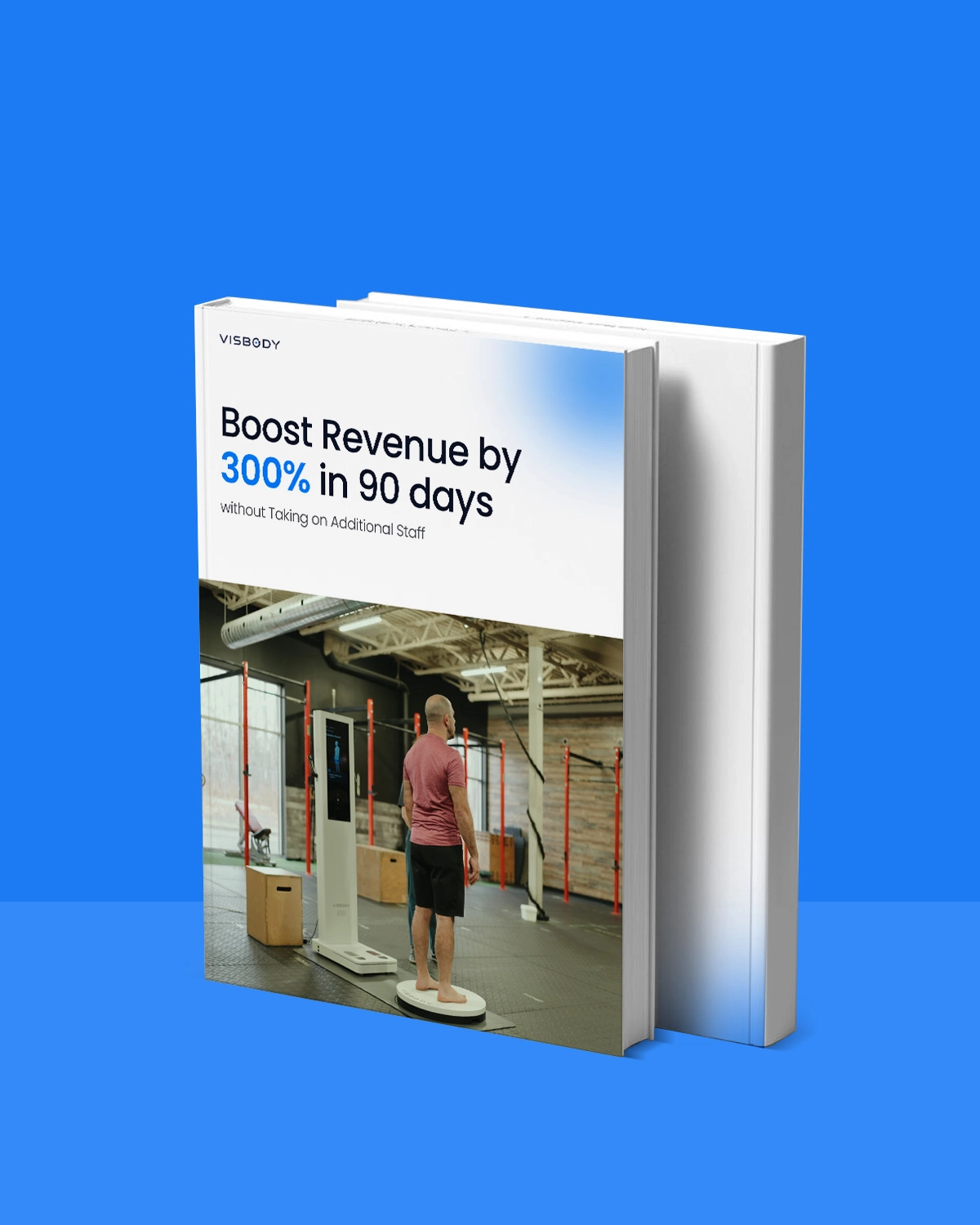
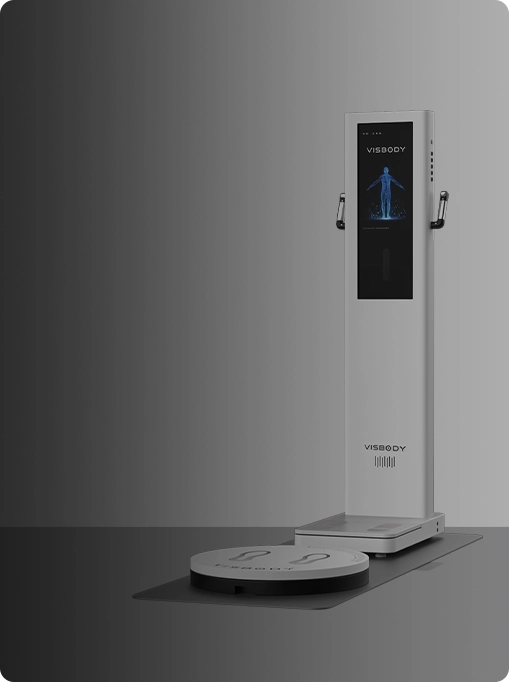
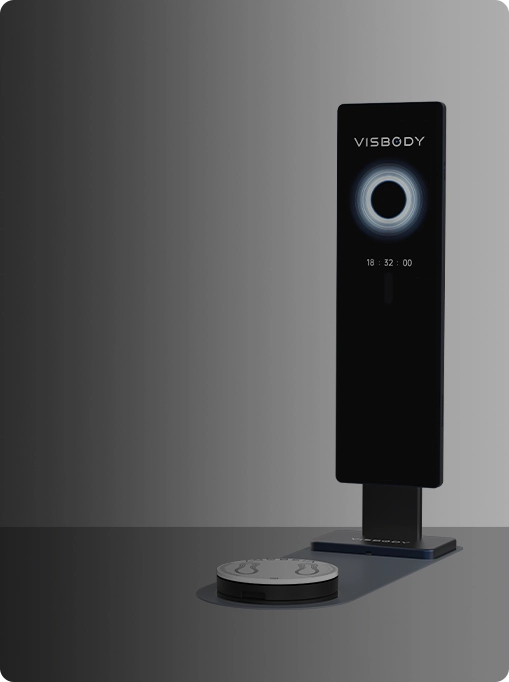
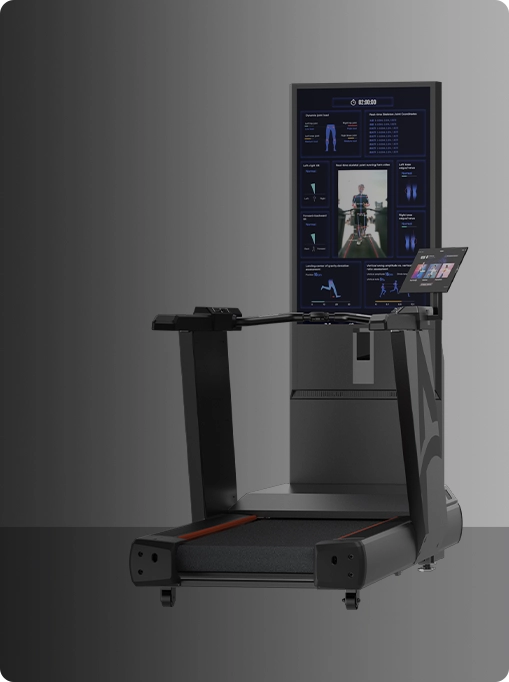
This is why Visbody developed the most significant fitness industry innovation, the intelligent physique assessment device called T30. This digital fitness equipment can detect all the specifications and generate multiple reports, helping that individual understand their body better. An in-depth analysis of the individual’s body can be performed through advanced machinery systems and various sensors, which is physically impossible for any other human to notice.
Understanding the Posture Evaluation Report
First and foremost, any individual who starts their scan on Visbody’s T30 gets their posture assessed. This is the most important aspect before any in-depth analysis is carried out, as bad posture can cause many underlying problems. For instance, many people suffer from back pain for months, not knowing that it could be due to the bad posture they’ve acquired over the years. Fixing that can help them get rid of most of their worries.
Let us walk our way to how T30 works and generates its posture report;
Components of the Posture Evaluation:
T30 can detect even the slightest imbalances in the body and provide solutions to fix them.
Many components are taken into account before a posture report is generated. Following is the structure in which all the components are measured;
- Forward Head Posture
- Head side slanting
- High/Low Shoulder
- Round shoulder
- Anterior/Posterior pelvic shift
- Leg shape
- Knee hyperextension/Anterior bending
Scientific Basis of Posture Evaluation Metrics:
According to research, it has been proven that bad posture can lead to several health issues, including back pain, leg pain, and other musculoskeletal problems. Research published in the Behavioural Science Journal in Feb 2023 showed that around 70% of the people suffering from posture issues already knew about them, but only around 2% of these individuals sought professional help.[1]
This goes on to show the immense importance of a digitalized machine that quickly identifies all the issues with an individual’s posture and gives solutions from the get-go. This is more than just helpful in correcting one’s posture. Still, it also allows many of the exercises to be avoided, as recommended by the AI-driven intelligent dynamic physique assessor and trainer, to prevent further injuries.
Once T30 carries out a postural assessment, the report generated can identify a multitude of issues that that individual could be silently enduring. Finding out the problem solves half of the problem, and the same is true for T30. Once it analyzes all the weak points in the posture, it gives recommendations, tips, and tricks to counter them.
Interpreting the Results:
Once the data is collected, it goes through a process of analysis, where measurements are correlated to the symptoms that could be causing hindrance in movement. The way it is interpreted is as follows;
- Forward Head Posture — The person is asked to bend their head forward, based on what angle the head can be bent, and then considerations are made according to that. A person unable to flex their head more than required is at risk of injury and, hence, is notified as to how much they can perform this movement without compromising the cervical and physiological curvature of the neck.
- Head side slanting — When a person is asked to slant their head to the side, the smart digital device detects the limitations, after which it can tell that there can be unilateral or bilateral neck discomfort. This discomfort, if not taken seriously, can lead to migraines or even slight paralysis/ weakness of the arms and fingers.
- High/Low shoulder — A proper analysis of the two shoulders is also visualized. This tells whether the person has uneven shoulders and to what extent. Individuals with uneven shoulders often have neck pain, which can even lead to scoliosis.
- Round shoulder — The machine can detect whether a person has a right—or left-sided rounded shoulder. Those who do can have less chest volume, which compromises the movement of the diaphragm and ultimately affects the respiratory and cardiovascular systems. This can lead to shortness of breath, dizziness, and even chest discomfort. [3]
- Anterior/Posterior pelvic shift — The degree to which an individual can bend their body through their pelvis also tells whether they suffer lordosis or disc prolapse.
- Leg shape — The shape of the leg also gives major clues if an individual suffers from bowed legs, which can indicate how proper their gait is, leading to problems in balance.
- Knee hyperextension/Anterior bending — The mobility of the knee at a specific angle shows whether an individual has any joint problems.
Decoding the Physical Fitness Assessment Report
After assessing the posture, the intelligent digital equipment then goes on to examine how physically fit that particular individual is. This works because specific instructions are given to the user, and they must follow those instructions. Sensors can detect every movement and hence generate an overview of the examination. Nine steps are carried out, which are listed as follows;
- Upper Limb Strength
- Lower Limb Strength
- Core Strength
- Balance Ability
- Flexibility
- Reaction time
- Vertical Jump
- One-minute Sit-ups
- One-minute Pull-ups
Scientific Basis of Fitness Assessment Metrics
Since Visbody’s T30 works to analyze the whole body. All the exercises above help identify how well the body’s musculoskeletal system works. It also shows how much the body can withstand these exercises. These assessments are of high value, and with them, one can train well.
Analyzing Exercise Capacity:
Every individual performs differently, and hence, the exercises they perform give a wide variety of clues about how healthy their body is and what weak points they need to work on.
The exercising capacity is measured over time to see how well the muscles can work without tiring. The individual is required to perform a particular set of exercises, and through that, T30 is able to judge the exercising capacity of each component of the body.
Muscle Group Analysis:
Each muscle group in the body has a specific function to carry. If any group of muscles gets weak, the body suffers. To test which group of muscles needs to get stronger, they are assessed as the person works on a particular exercise set. These exercises are targeted to strengthen the muscles of the upper limbs, shoulder, chest, abdomen, back, thighs, calves, and buttocks.
- Upper limb- Being able to do pull-ups shows that the upper limb muscles are strong. However, those who fail to execute the task correctly can be prone to frequent muscle cramps and weaknesses.
- Shoulder- Imroper abduction and adduction of the shoulder give clues about nerve damage, which needs to be investigated further.
- Chest—Compromised chest muscles can significantly impact the respiratory system, as the body will need increased effort if they aren’t functioning well.
- Abdomen- Problems in abdominal muscles can point towards the individual having hernias or increased fat percentage in the belly area.
- Back—Individuals with decreased back muscle strength could be suffering from ankylosing spondylitis, herniated discs, or even sprains and strains.
- Thigh- Decreased strength in the thigh muscles could be a reason for arthritis, sciatica, or due to bursitis.
- Calves—T30 can detect decreased strength in the calves’ muscles, which can be due to Achilles tendinitis or even varicose veins.
- Buttocks- Ones who are unable to completely squat could be suffering from a herniated disc or some degenerative disease.
Conclusion
To progress in any path, one needs to regularly get assessed to see how much they have improved from previous times. Athletes or just regular people also need daily assessments to know how effective their training program is. Regular assessments can tell the improvement pattern and how effective they are after interventions and should be a part of every physical fitness program.
These daily reports can also help them stay motivated once they see little changes that are impossible to see physically. It is only possible through T30 that it can detect even the slightest shift in angles, showing if there has been any improvement in mobility at all.
References
- Montuori P, Cennamo LM, Sorrentino M, Pennino F, Ferrante B, Nardo A, Mazzei G, Grasso S, Salomone M, Trama U, Triassi M, Nardone A. Assessment on Practicing Correct Body Posture and Determinant Analyses in a Large Population of a Metropolitan Area. Behav Sci (Basel). 2023 Feb 8;13(2):144. doi: 10.3390/bs13020144. PMID: 36829373; PMCID: PMC9952460.
- “BETTER IN 30”: the lifestyle upgrade with Bare Biology – Healthy Living London. https://healthylivinglondon.com/nutrition-and-food-for-healthy-living-in-london/better-in-30-the-lifestyle-upgrade-with-bare-biology/
- The Benefits of Taking the Stairs – O C D. https://www.onlineclickdigital.com/2023/05/02/the-benefits-of-taking-the-stairs/