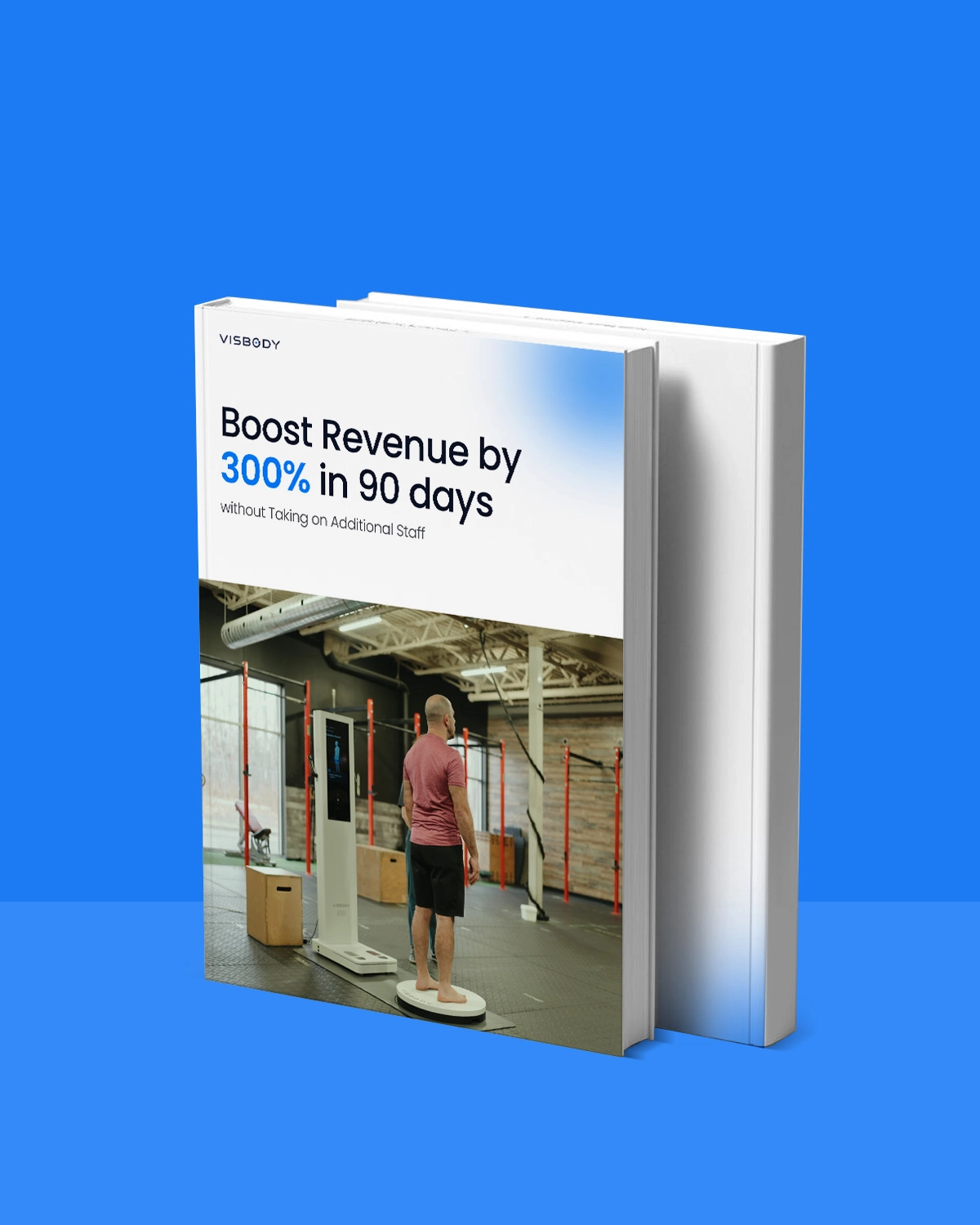

Do you know what’s the most ideal way to measure your body composition metrics and track your fitness? Body composition scales offer complete insights into an individual’s overall health.
With more and more technological devices, the body composition market has grown to a spectacular USD 602.94 million size in 2024 and is expected to be multifold in the upcoming years.
This shows the wide usage and increasing popularity of these body scales. However, are they worth the hype and market share? Do body composition scales provide an accurate analysis or just a rough estimate of your body?
Let’s find the answer by discussing the working principle, efficiency, advantages, and use cases in detail below.
Table of Contents
How do Body Fat Scales Work?
Remember those smart scales used earlier to know the body weight or height? Body fat scales are the advanced version of traditional scales with the difference that they determine the weight and give a complete analysis of your fat percentage, muscle mass, or lean body mass. They work with the help of sensors and use Bioelectric Impedance Analysis (BIA) for precise measurements.
It sends a small electrical current through the body and measures its resistance. Based on electrical resistance values, it can provide information about an individual’s body. For instance, fat cells have higher resistance than muscles. An increased value of fat cells indicates a person has a more significant body fat percentage than muscle mass. Enlisted below are some of the advantages of using BIA scanners for detailed body composition analysis:
- These scanners, such as the fitness 3d body scanner, measure critical body composition metrics such as overall body fat percentage, lean body mass, and muscle mass.
- They are used by individuals to monitor body composition changes in weight loss or muscle gain programs.
- You can diagnose conditions related to body composition, such as obesity, malnutrition, and certain chronic diseases.
Are Consumer-Grade Body Composition Scales Accurate?
When it comes to the question of ‘’are body composition scales accurate in their measurements’’, the answer depends on various factors. Although these scales are safe and convenient, they do not provide accurate body measurements. They are not 100% accurate and only provide a rough estimate of your overall health.
Various studies have been performed to check the accuracy of body fat scales, and none of them proved them 100% precise. In fact, the accuracy level lies in the range of 10 to 20% or higher, depending on the technology used and various other factors. Enlisted below are some of the factors affecting the accuracy of these scales:
- Age of the individual
- Gender as women have more fat than men
- Your height and body weight
- Physical activity and resistance training
- Special body or health conditions such as pregnancy
Pros and Cons of Using Body Composition Scales
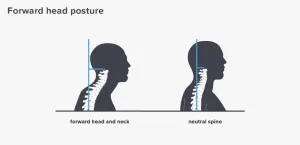
Although not highly accurate, body composition scales are widely used to measure a person’s health status. They take into account the body fat percentage, muscle mass, lean body mass, and postural alignments to identify potential body risks.
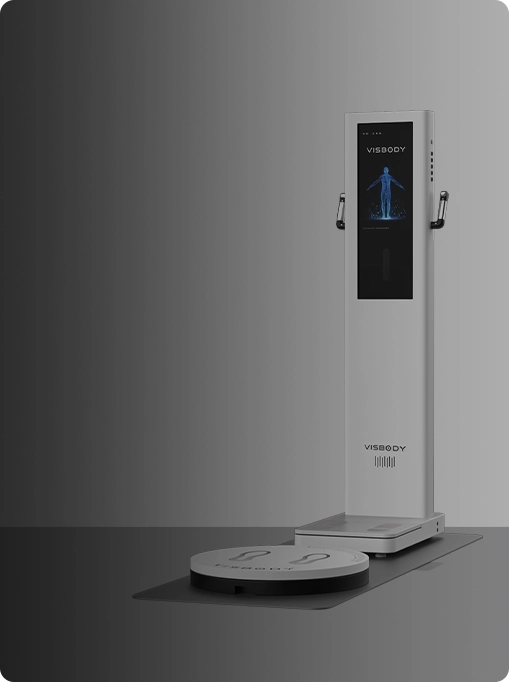
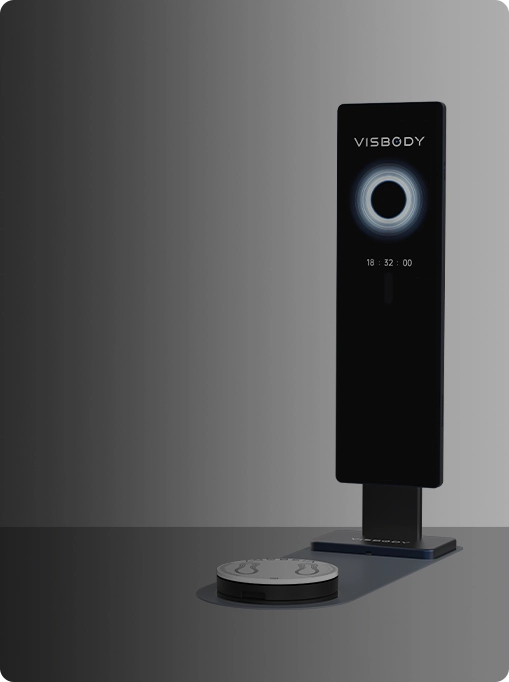
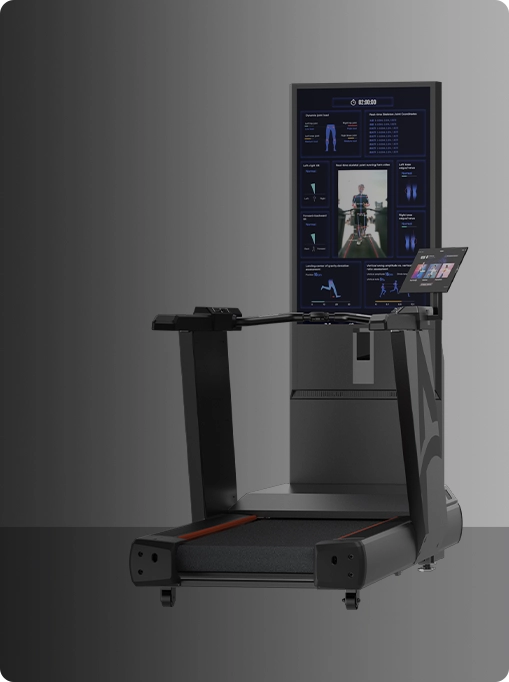
The visbody body composition machine is one of the finest scanners to visualize progress. It provides accurate measurements and assists in keeping track of your everyday progress so you can show better results in your fitness journey.
With the Visbody body fat calculator machine, you can get an in-depth, three-dimensional vision of yourself with full digital results. It will display your core body composition in three types of physical test reports so you can analyze your weight loss progress more easily.
When performing core body composition analysis, the Visbody scanner provides visual data for a person with their net and standard values listed. Hence, it is a great progress-tracking tool if you’re a nutritionist:
- They completely evaluate your key body composition metrics.
- They assess your muscle mass, body fat percentage, and lean mass.
- You can track changes and monitor progress over time.
- These scales identify injuries and provide a link between cardiovascular diseases such as type 2 diabetes and heart disorders.

What are the Most Accurate Ways to Measure Body Composition?
Now that you have got an answer on the accuracy and advantages of body composition scales, you might be excited to learn the various types of these measurement scales. Fortunately, there are multiple ways of measuring body composition, each one with a unique working principle and efficiency. Let’s discuss them one by one below:
- Skinfold Caliper
One of the most common methods of measuring body composition is using a skinfold caliper. A reliable and non-invasive method of measuring body fat is the skinfold thickness test. It measures subcutaneous fat at various body parts and thus provides a percentage of your total body weight. This way, doctors can monitor the nutritional status of patients.
- Underwater Weight (hydro densitometry) Test
Another widely used body composition measurement method includes the underwater weight test. Based on Archimedes’ principle, it calculates your bone density in a unique way. The working principle involves measuring a person’s weight on land and underwater.
Then, the difference in weight in air and water is calculated using Archimedes’ principle. It is a quick measurement method commonly used by athletes to determine body composition and overall fat percentage.
- Air Displacement Plethysmography
Another quick measurement method to estimate body density is air displacement plethysmography. It takes into account the mass and volume of a person to measure the overall density. The process is divided into the following three steps:
- Measurement of mass
- Measurement of volume
- Measuring thoracic gas volume
The volume is indirectly measured in an enclosed chamber, and advanced technology is used to obtain precise results. Air displacement plethysmography has been widely used since ancient times and has gained massive popularity over the years.
- Medical-grade BIA devices
Bioelectrical impedance analysis (BIA) is used as an effective assessment method to evaluate body fitness thoroughly. It sends electrical signals to your body. These signals travel in every part of the body to measure muscle mass, fat distribution, and hydration levels all at once. Overall, BIA uses a mechanism of resistance and reactance in which different body components have different reactivities. Enlisted below are the key factors evaluated in this analysis method:
- Body cell mass
- Fat mass
- Extracellular tissue
- Fat-free mass
Compared to traditional evaluation methods, bioelectrical impedance analysis is a highly reliable and more acceptable method of measuring body composition. It provides the highest and lowest readings of different body compartments, including the muscle mass and fat ratio. This way, it helps measure different parameters of the human body plus the volume of non-fat substances. Like Visbody S30 3d body scanner.
- Dual-energy X-ray absorptiometry (DEXA) Scans
DEXA or (Dual-Energy X-ray absorptiometry) scans are a type of medical imaging test used to assess overweight people. It uses low levels of X-rays to measure bone density. A DEXA scan is highly valuable in measuring body composition, including body fat and muscle mass. By accurately assessing body fat percentage, healthcare experts can indicate fat distribution in the body and the associated health risks.
- MRI and CT scans
With the advancements in technology, new and innovative methods are being introduced to diagnose obesity. Now, high-performance ultrasounds can be performed to indicate a person’s obesity. This scanning machine checks the abdominal anatomy and thus provides accurate details about the body’s health status.
Similarly, radiologists conduct CT(Computed Tomography) scans to evaluate the body fat percentage. This scan measures the extra weight and size to give insights into a person’s health. A more advanced scan called MRI or (Magnetic Resonance Imaging) is also done using computer-generated radio waves to get a detailed image of the body’s organs.
- Anthropometry
Finally, another measurement method called anthropometry is used to assess the overall composition of the human body. It considers the regional and key body composition metrics to generate precise reports. The four anthropometric measurements are usually considered, including height, weight, head circumference, and body mass index. Using these evaluations, the size and proportion of the human body are calculated.
Conclusion
Body composition scales have been widely used since the early years. They serve as non-invasive tools to assess the overall body composition of an individual. Using body scanners such as Visbody, healthcare experts can better track the health and fitness level of a person suffering from various health diseases.