
Our postures can overall affect our health and well-being. Exercise and other tips may help us develop posture, reducing the risk of back pain and other issues. A good posture can help boost more than the person’s self-confidence. It can offer you a long list of health benefits as well. This is why many people are trying to build a better posture. With time, these tips can help you get a better and more formed posture.
You might already know that good posture is essential. Improving how you keep your body may help you avoid tension, strain, or fatigue on your ligaments, tendons, and muscles. Let’s learn the top 11 ways to improve your posture and how technological advancement has made it simple with a full-body scanner machine.
Table of Contents
1. Emphasize Postural Awareness: Recognize and maintain good posture in all activities.
awareness about postures and how a bad one can gradually bring chronic illnesses to your life is very important. Not having enough knowledge about the subject is the leading cause of postural issues.
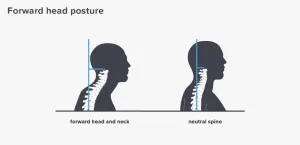
A good posture doesn’t mean your body should be stiff, maintaining a position. An ideal standing posture is when you are relaxed and have your back straight, chin and head up and look straight, tummy in, shoulders relaxed, knees straight, and weight balanced on both feet.
Having a bad posture will eventually give you physical pain or chronic illnesses. Posture is the first thing any physical therapist will look at while evaluating their patients. It is essential to treat any issues while not addressing the position in which the person holds their body all day. A good posture should maintain your body and give you a relaxed but confident demeanour. 3D body scanners may help you know your own body because many people don’t know how bad a posture they have.
2. Incorporate Posture-Correcting Exercises: Simple, targeted exercises can realign and strengthen your posture.
Even when you don’t have a good posture, you can continually develop one using some exercises. These exercises will help you be more mindful of how your body is aligned. The most common posture issues come when sitting in an upper cross syndrome. In this posture, the head is slightly bent in a forward position. The upper part of the spine is rounded, curving out on the upper back, and the shoulders and shoulders are also hunched onto the ears.
In this state, you must sit with your feet perfectly flat on the floor, tuck your chin in, and move your head towards the back. Lower your shoulder blades and also pinch them together over your back. When you are standing, a condition named lower cross syndrome may lead to developing pain in the back and legs. In this position, your lower back is arched, and the pelvis is forward tilted. This position will lead to weak abdominal and also gluteal muscles. The calf, thigh, and hip muscles might get tightened.
3. Balance Between Strengthening and Stretching: Equally focus on building strength and flexibility for postural stability.
This is another thing you need to remember to have a good posture. As you can see, stretching and strengthening have vastly different uses but are all equally important; stretching will help you stretch tissues that have gotten short or stiff as they have been in a similar position for too long. Strengthening, on the other hand, includes regular contraction of muscles that helps make them stronger.
You can also hold more of the load when you get physically strong. This load is the weight of your own body. Every one of these forms of workout will make the other much more effective. It is easier to strengthen your muscles if you already have the flexibility to do these needed workouts. However, strengthening will lead to more pain and tightness without stretching.
4. Benefits of Stretching: Regular stretching improves flexibility and reduces muscular imbalances affecting posture.
Now that you have seen how stretching is helpful for your body, let’s look at its benefits. Tight muscles might lead to an imbalance in which a few muscles are vital in short, while others are long and weak. It might cause pain not only in your muscles but also in the nerve tissues and joints. Tighter muscles may increase the risks of strain injuries.
In stretching, it is always essential to differentiate between bits of pain, which means you are activating the muscles, and pain, which means you’re pushing them at their best and far. You always have to make sure you don’t hurt yourself while doing so.
To start stretching, you can stabilize one end of the body you are trying. Keep your hip stable and move the leg out if you are strengthening your hamstring. Then, you must relax your muscles while you stretch and check your alignment. Hold in any of these positions and repeat around two to three times daily.
5. Strengthen Core Muscles: A strong core is fundamental for sustaining good posture.
To have a stable posture, you must develop your core muscles. Stretching must be a part of your everyday routine to maintain an ideal posture. Weak muscles can put joints and other tissues at risk of injury and make it hard for you to have a good posture. Many things can cause your muscles to grow weak, including immobility, injury, neurologic conditions, and arthritis. When doing exercises for building stretch, you must focus on some key areas, including the upper back and shoulders. Stretching will soon bring muscle fatigue but not pain.
6. Frequent Movement: Regular movement prevents stiffness and maintains postural dynamism.
We must not sit for long durations to have the ideal posture. No posture is perfect for an extended period. You should have the best ergonomic situation to have a good posture. If you sit at your desk for 10 hours per day, you will indeed have pain. It is suggested that you move around every half an hour or so.
7. Practice Mindful Sitting: Use ergonomic furniture and proper posture.
These days, people have to sit for a long time, which you can not let go of based on your work mode. But you can buy ergonomic furniture that will help you maintain your posture. A good sitting posture will help you develop one, even if you’re going to sit for a long time. This furniture will allow you to sit in your best possible posture only. These chairs and sofas will relax and stick you to good posture.
8. Incorporate Balance Exercises: Improve overall stability and posture by practising balance exercises.
You can also use some balance exercises to help you develop overall stability and strengthen your core. Your body will have more balance and stability with a corrected posture automatically. These exercises can help you have an ideal posture for the time being and also develop your body to maintain this posture for a long time.
9. Regular Posture Checks: Periodically check and correct your posture throughout the day.
Usually, it would help if you remembered your posture while busy with your everyday tasks. You must develop a habit of routinely checking your posture and fixing it whenever you feel like you are getting out of shape and posture. This habit will prevent you from sitting in a single posture for longer durations. You will soon develop a habit of being in a good posture while sitting or standing throughout the day.
10. Regular Postural Assessment
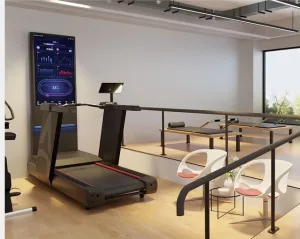
Schedule periodic assessments using advanced tools like Visbody 3D body scanner to analyze and track posture improvements accurately. You can check your posture and keep it fixed. Hence, Visbody can help you with your posture with an assessment technology.
The technology uses body scanning and analysis with reconstruction tech to measure and assess all parts and composition of one’s body. It works using body status, joint function, and circumferences. This technology creates an accurate 3D body avatar and allows you to develop ideal body reports for your doctor to study and give you proper guidance about your posture.
11. Seek Professional Advice: Consult a physical therapist for personalized posture improvement plans.
Finally, when you conclude that you don’t have a good posture, you can consult a professional and let him fix your lousy posture using proper techniques and procedures. Using Visbody products, your diagnosis can be made easily, but in the end, your doctor or physical therapist will be the one who will guide you to the best for you. Through this, you will know which body parts are affected by bad posture and how to develop posture improvement plans. This way, you can create good posture and live comfortably.
Adopting these 11 posture-improving habits can significantly enhance your overall well-being. These tips will help you get your extended, acceptable posture back. You will feel freshness in your body once your therapist enables you to get a good posture and avoid previous bad habits.