
Table of Contents
Introduction: Navigating the Evolving Landscape of Rehab Therapy
Rehabilitation therapy stands at a crossroads, marked by a transformation from traditional, generic treatment plans to bespoke, technology-driven patient care. This transition is driven by a deeper understanding of the diverse and specific needs of individuals undergoing rehabilitation. Innovations in technology are enabling therapists to move beyond conventional approaches, offering treatments that are not just reactive but proactive, designed to optimize recovery and enhance the quality of life for those they serve.
The incorporation of cutting-edge technologies into rehab therapy is not merely a trend but a fundamental shift towards value-based care. This approach emphasizes the outcomes and experiences of patients, placing their needs and goals at the heart of the therapeutic process. As the landscape evolves, the interoperability of health technologies, home care solutions, and the drive towards personalization are setting new standards in the delivery of rehabilitative care.
Artificial Intelligence (AI) in Rehabilitation
Comprehensive Treatment Planning
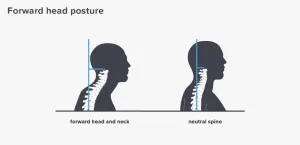
Posture and Motion Analysis
Healthcare Marketing and Patient Engagement
Operational Data Processing
Smart Home and Wearable Technology
Enhancing Patient Monitoring and Engagement
Virtual Reality (VR) and Augmented Reality (AR)
Immersive Experiences for Rehabilitation
Gamification and Engagement Strategies
Making Therapy Enjoyable and Rewarding
Diagnostics Tools
Precision in Early Intervention
3D Body Scanning in Rehab Solutions
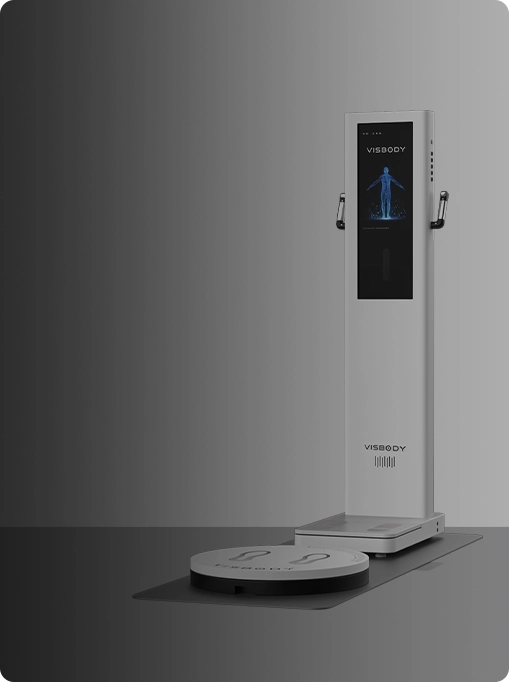
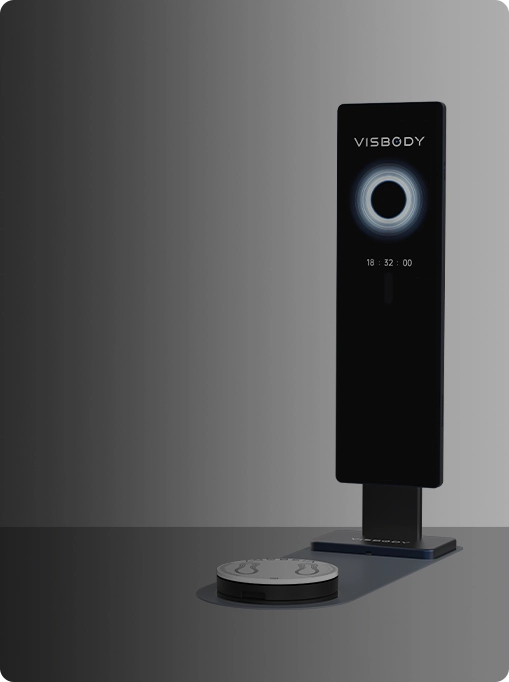
3D body scanning technology is bringing a new dimension to rehabilitation therapy by providing precise and comprehensive data on body composition and structural integrity. This innovation enables therapists to create highly personalized rehab programs based on accurate measurements of muscle mass, fat distribution, and body posture.
Revolutionizing Assessment and Progress Tracking
The application of 3D body scans in rehab allows for a detailed assessment of a patient’s physical state before beginning therapy and offers a reliable method to track progress over time. This technology aids in identifying specific areas of improvement or concern, enabling therapists to adjust treatment plans with a level of precision previously unattainable.
Discover Our Solutions
Motion Capture and Analysis
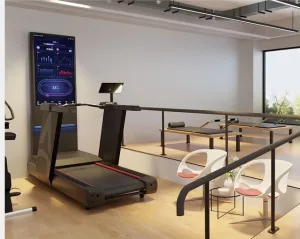
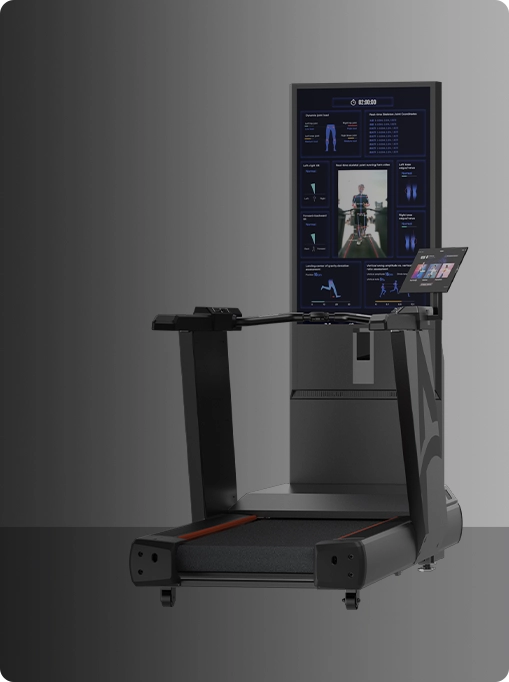
Motion capture and analysis technology, including devices like the 3D Intelligent Running Assessment Device, offers a groundbreaking approach to analyzing and enhancing movement patterns. This technology is invaluable for identifying inefficiencies or imbalances in a patient’s gait or other motion sequences, providing data-driven insights for corrective action.
Enhancing Gait Analysis and Exercise Form
Robotics in Rehabilitation
Personalized Therapy and Strength Training
Light-weighting and Unweighting Equipment
Accelerating Recovery and Improving Function
Bioprinting and Regenerative Medicine
Custom Solutions for Complex Rehabilitation Needs
Telehealth and Telerehabilitation
Expanding Access and Continuity of Care
Business Intelligence and Analytics Tools
Data-Driven Insights for Practice Management
Upgraded Patient Engagement Platforms
Encouraging Adherence and Communication
PT Practice Management Software
Streamlining Administrative Tasks for Enhanced Patient Care
Conclusion
The landscape of rehabilitation therapy in 2024 is characterized by rapid innovation and technological advancement. From 3D body scanning and motion analysis to robotics, bioprinting, and advanced software solutions, these innovations are setting new standards in personalized, effective rehab care. As we embrace these technologies, the future of rehabilitation therapy looks brighter than ever, promising enhanced outcomes for patients and a more rewarding practice for therapists.