
Table of Contents
Introduction
In the era of customized health and wellness, understanding the results of body scans has become crucial for people looking to maximize their wellbeing. Body scan devices, such 3D body scanners and body composition analyzers, provide in-depth information about the distribution of fat and muscle in the body, which is important for general health.
Knowing the findings of a body scan is more than just interesting reading; it gives people the ability to make well-informed decisions about their fitness and health objectives. One important aspect of body scan data is muscle-fat analysis, which offers important information about illness risk, physical fitness, and metabolic health.
Through the exploration of muscle-fat analysis, people can get a more profound comprehension of their body composition and pinpoint opportunities for enhancement. The first step to reaching one’s wellness goals, be it weight loss, muscle building, or overall health optimization, is understanding the body scan results.
Come along as we interpret the results of your body scan and reveal the keys to being a fitter, healthier version of ourselves. One scan at a time, let’s examine how muscle-fat analysis can transform your outlook on fitness and health.
Understanding Muscle-Fat Analysis
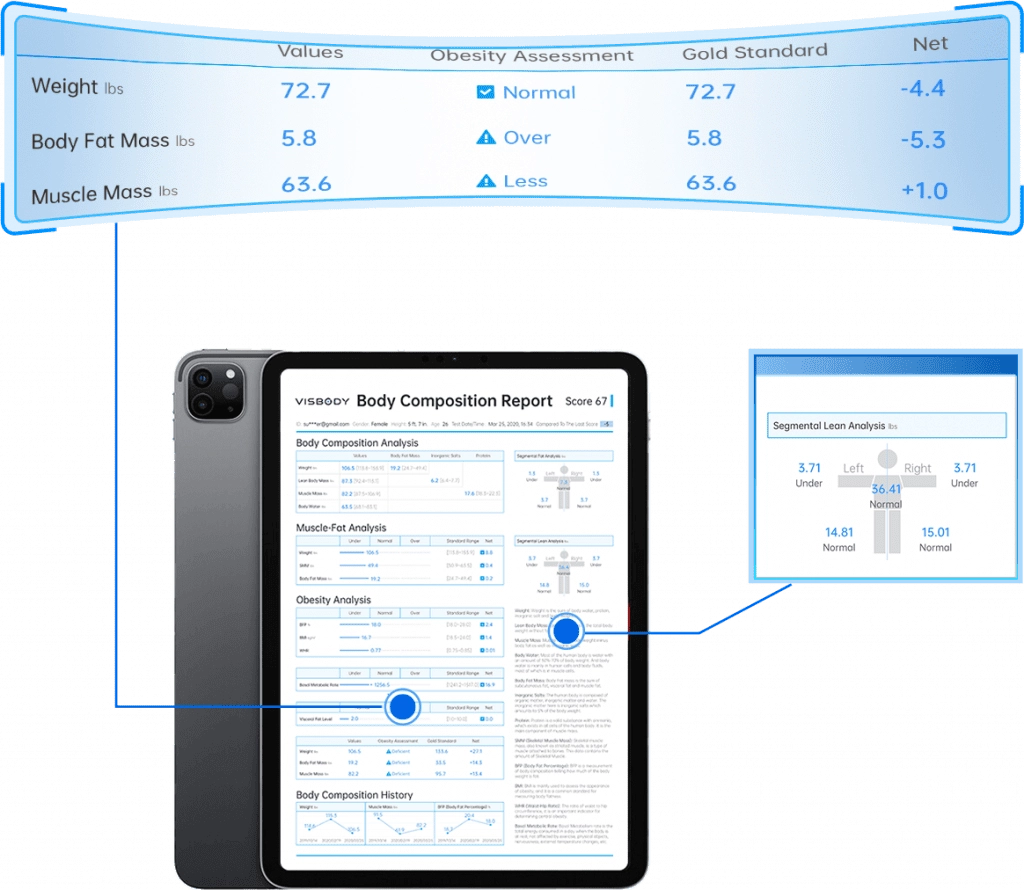
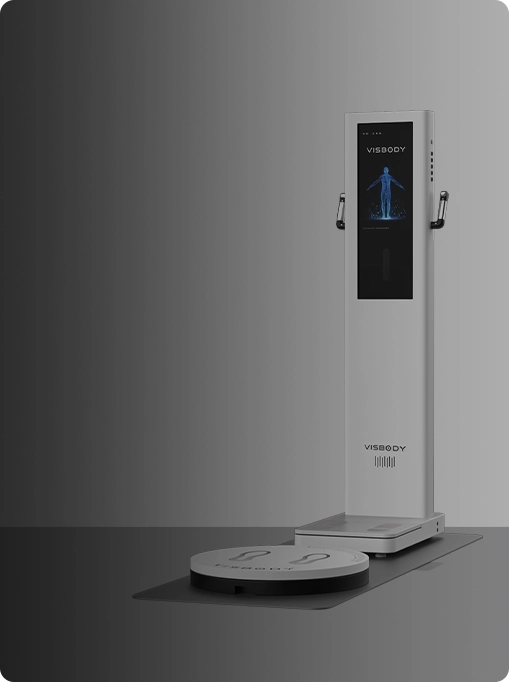
Three essential elements form the basis of muscle-fat analysis: body fat mass (BFM), skeletal muscle mass (SMM), and weight. These can be evaluated with Visbody scanner.
1. Weight: A person’s weight is their entire bodily mass, and it is a basic indicator of their overall size. Although weight by itself does not offer a complete picture of body composition, it does provide a starting point for evaluating changes over time.
2. Skeletal muscle mass: The entire mass of the skeletal muscles in the body is referred to as skeletal muscle mass, or SMM. The function of skeletal muscles is essential for mobility, metabolism, and general bodily health. Increased skeletal muscle mass is typically linked to better functional ability, metabolic health, and general wellbeing.
3. Body Fat Mass (BFM): The entire mass of adipose tissue in the body is represented by BFM. Although a certain amount of body fat is necessary for energy storage, hormone production, and insulation, an excessive buildup of body fat is linked to a higher risk of metabolic diseases, cardiovascular disease, and other health issues.
A thorough understanding of body composition and health status can be obtained by analyzing the interactions between weight, skeletal muscle mass, and body fat mass.
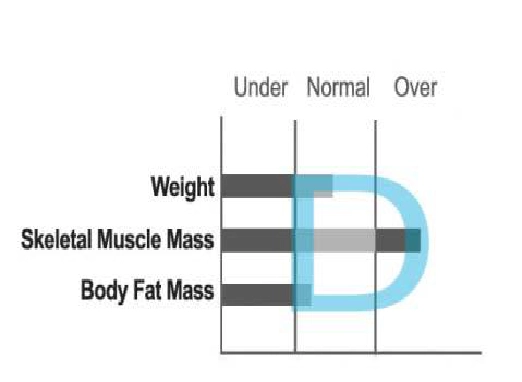
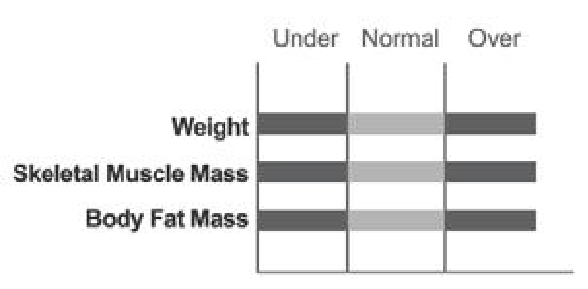
Furthermore, the findings of muscle-fat analysis are sometimes displayed as visual forms, such triangles or rectangles, which provide a brief visual snapshot of an individual’s health status. These forms give insight into areas of strength and improvement by graphically depicting the distribution of fat and muscle across the body.
In conclusion, muscle-fat analysis provides important insights into body composition and general well-being, offering a comprehensive method of assessing health and fitness. People can optimize their health and reach their wellness objectives by taking proactive measures by comprehending the significance of Weight, Skeletal Muscle Mass, and Body Fat Mass, as well as by interpreting the results of muscle-fat analysis.
The 8 Body Types Identified Through Muscle-Fat Analysis
The Ideal Body Type - Healthy and Strong Shape
Normal Weight - Puffiness
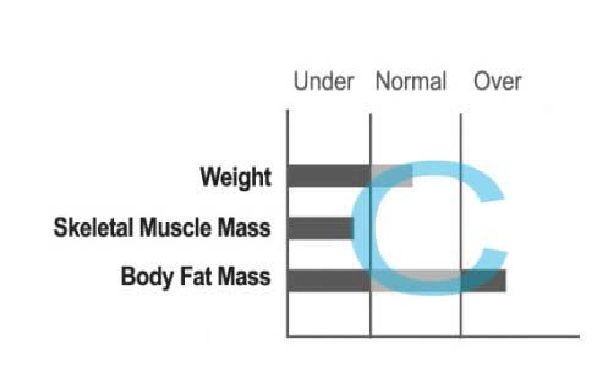
The subject’s weight is within the normal range and is not obese, but its body composition is not the ideal. People with this body composition type should work out to get the ideal body shape, without having to lose weight, they should gain skeletal muscle mass.
Although they were of normal weight, their increased visceral fat also increased their risk of cardiovascular disease. Type C is a common body shape for some healthy people or diseased patients, and it is a body shape that needs to be improved and adjusted.
Normal Weight - Weak
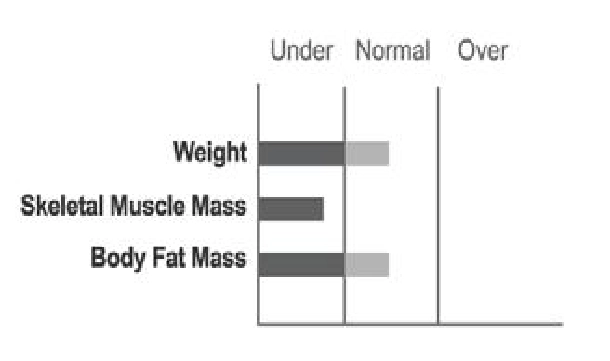
Low Weight - Weak
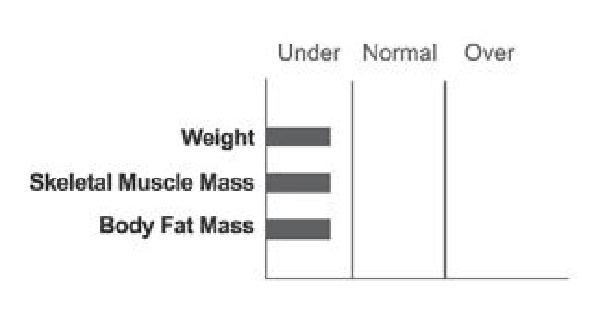
Low Weight - Strong
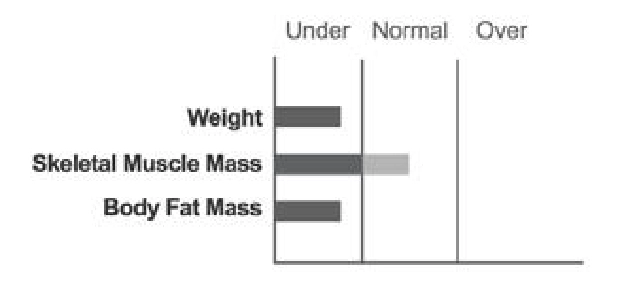
Over Weight - Weak
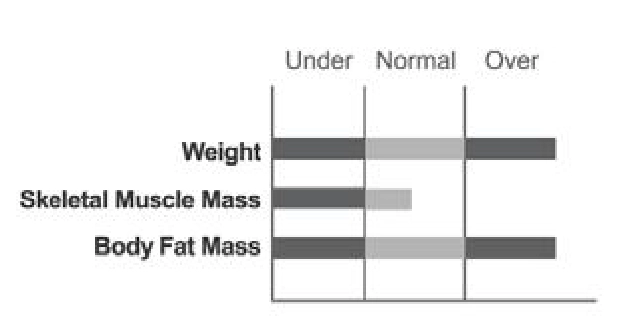
Over Weight - Strong
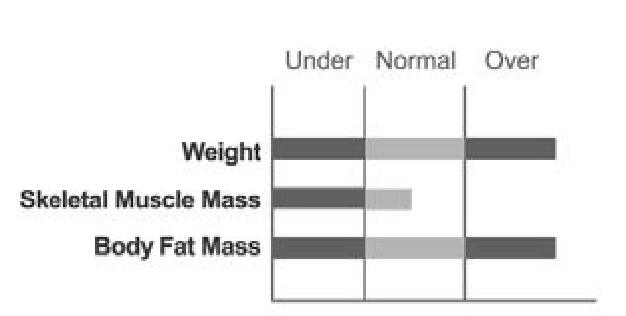
Over Weight - Obese
Interpreting Your Body Shape for Better Health
How to Make Sense of Your Body Shape Analysis and Set Practical Health Objectives
The Importance of Consulting with Healthcare Providers and Fitness Coaches
Healthcare professionals can provide helpful advice on managing underlying medical illnesses, such as metabolic disorders or musculoskeletal problems, as well as insightful information about the health consequences of your body composition.
Fitness trainers can assist in converting your body shape analysis into doable actions that will help you reach your health and fitness objectives. They can create personalized exercise plans, offer dietary advice, and provide accountability and support along the way.
Working together with fitness instructors and medical professionals guarantees that your health objectives are practical, safe, and long-lasting. They are able to keep an eye on your development, modify your strategy as necessary, and offer support and inspiration as you go.
From Analysis to Action
Steps to Take After Receiving Your Muscle-Fat Analysis
1. Examine Your Outcomes: Examine your muscle-fat analysis report in detail, taking note of important parameters like body fat percentage, muscle mass, and total body composition.
2. Establish sensible objectives: Make realistic exercise and health objectives based on the analysis results that suit your unique requirements and preferences. Setting clear, attainable goals is crucial for success, regardless of your objectives—whether they are to increase muscle, reduce body fat, or enhance your general health.
3. Create a Strategy: Together with nutritionists, exercise instructors, and healthcare professionals, create a thorough strategy that is specific to your goals and body type. This approach could involve food adjustments, frequent exercise regimens, lifestyle adjustments, and progress tracking.
How to Tailor Fitness and Nutrition Plans Based on Your Body Type
1. Find Improvement Areas: Utilize the findings of your muscle-fat analysis to pinpoint any parts of your body composition that might require adjustment. For instance, to encourage fat loss, concentrate on combining aerobic exercise and calorie-controlled diet if your analysis shows a high body fat percentage.
2. Select the Right Exercises: Make your workout regimen unique by focusing on particular parts of your body composition. Include cardiovascular exercises to enhance cardiovascular health and burn calories, as well as resistance training exercises to boost muscle mass and metabolism.
3. Boost Your Nutrition: Modify your diet to help you achieve your desired body composition. To support your exercise, encourage muscle building, and preserve general health, eat a balanced diet full of fruits, vegetables, whole grains, and lean meats.