Table of Contents
Introduction
Nowadays, postural evaluations are essential to every successful Pilates session. With the use of these evaluations, instructors may customize programs to meet the demands of each customer, guaranteeing that they get a unique and efficient workout. Postural exams can avoid injuries and improve overall physical performance by recognizing imbalances and limitations. These tests have been transformed by the incorporation of cutting-edge technology, such as the Visbody M30, which offers accurate and thorough data that improves the customisation of Pilates exercises.
The Role of Postural Assessment in Pilates
– Initial Postural Assessment
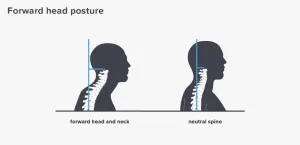
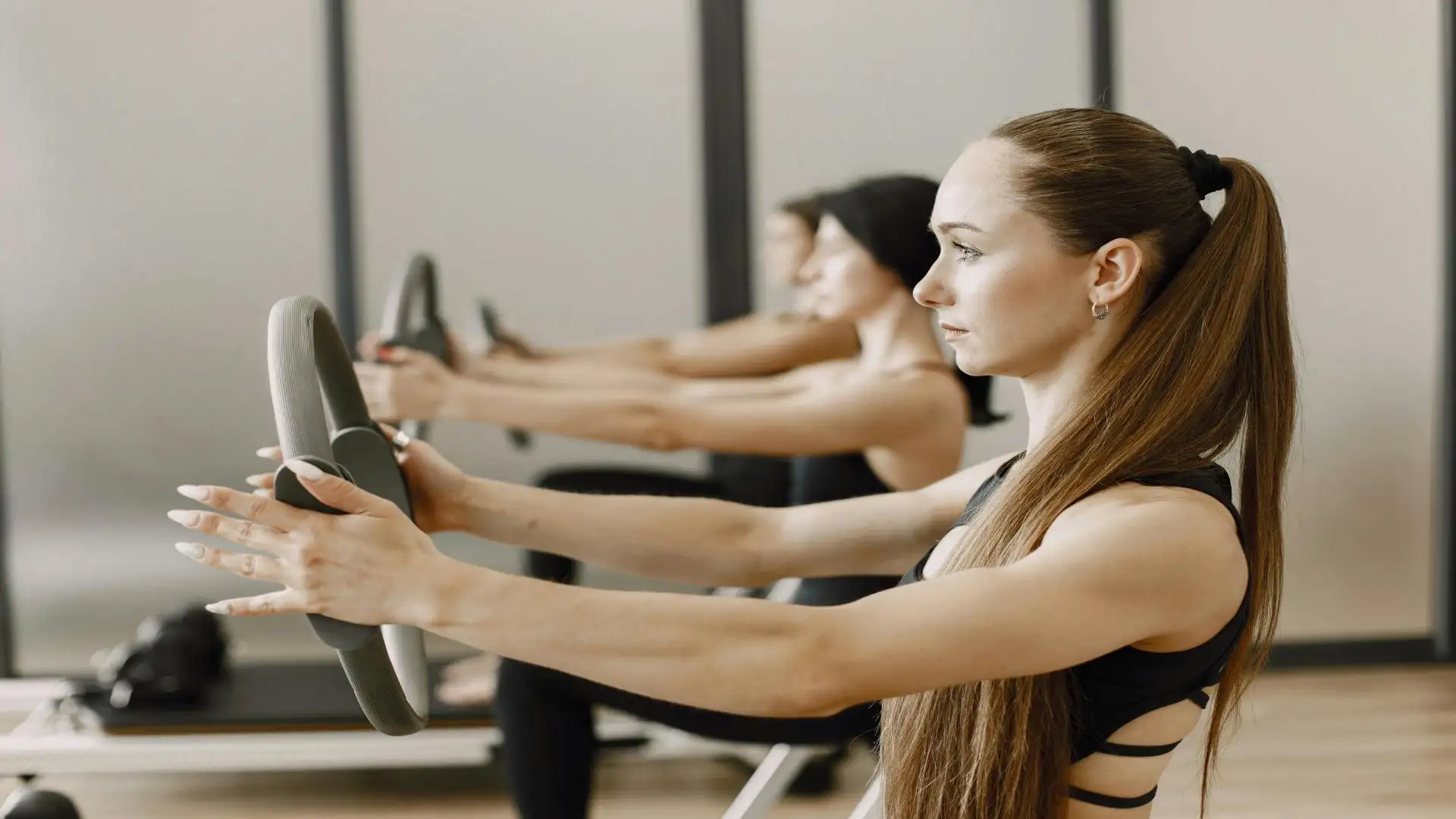
A basic first step in creating a customized Pilates program is a postural evaluation. A thorough examination of a client’s alignment, muscular imbalances, and movement patterns is part of this procedure. Instructors can create a tailored strategy that meets the individual needs and objectives of the client by carefully assessing these variables. For example, the instructor can modify exercises to remedy imbalances such as a forward head posture or unequal shoulders.
– Identifying Specific Needs
When determining certain needs, like those related to flexibility, strength, or balance, postural evaluations are crucial. For customers enduring chronic pain or recuperating from accidents, this is especially important. Through obtaining a thorough grasp of each client’s distinct physical profile, instructors can avoid workouts that could aggravate pre-existing conditions. Alternatively, individuals might concentrate on exercises that support stability, healing, and general health.
–Tailoring the Pilates Program
Pilates teachers can customize the curriculum to each client’s unique needs by using the information received from the postural evaluation. This could entail adding exercises that concentrate on particular muscle groups or trouble spots. The assessment can also be used by teachers to monitor students’ progress over time and modify the curriculum as necessary to guarantee continuous improvement.
–Enhancing Body Awareness
Pilates postural assessment has benefits beyond the physical realm; it can also improve body awareness. Through increased awareness of their alignment and movement patterns, clients can gain a better understanding of the ways in which their bodies work. Increased awareness like this can result in better body mechanics generally, better posture, and a lower chance of injury.
–Customizing the Pilates Routine – Exercise Customization Based on Assessment
The initial posture exam is finished, and then the Pilates routine is customized. The information acquired is used by instructors to create exercises that are especially designed to address the imbalances and deficits found. For instance, the regimen can include hip flexor stretches and glute strengthening exercises if the testing indicates tight hip flexors and weak glutes.
–Individualized Progression
Customization goes beyond the first evaluation; subsequent evaluations are vital for tracking developments and implementing required changes. With this dynamic approach, the Pilates practice is guaranteed to adapt to the demands of the client and continuously address any new concerns that may occur. Furthermore, it keeps progress from plateauing by maintaining the routine’s effectiveness and challenge.
–Client Involvement and Feedback
Involving the client is essential to the customisation process. Instructors welcome input from students regarding their experience with the Pilates exercise, mentioning any soreness or places that might use better. The routine can be improved to better suit the client’s needs and goals with the help of this input.
–Adapting to Changing Needs
Clients’ requirements and objectives may shift as they advance in their Pilates practise. Customization enables teachers to modify the exercise as needed, keeping it current and useful. Long-term success depends on this flexibility because it enables clients to continue receiving the benefits of Pilates even as their bodies change.
How Visbody M30 Enhances the Postural Assessment Process
– Precision and Detail in Assessment
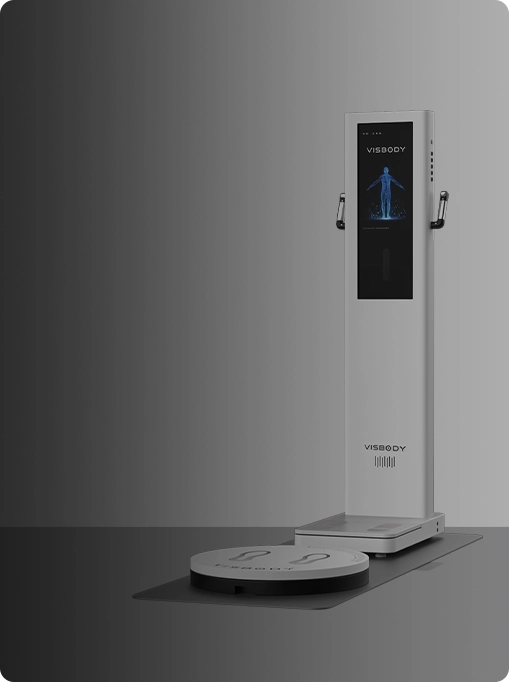
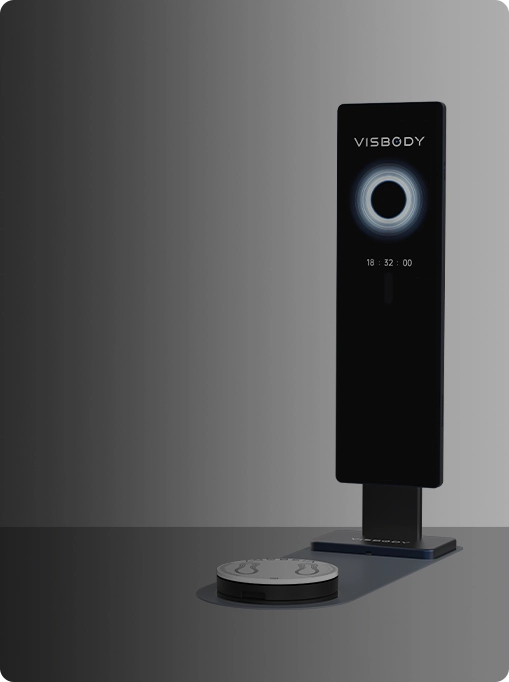
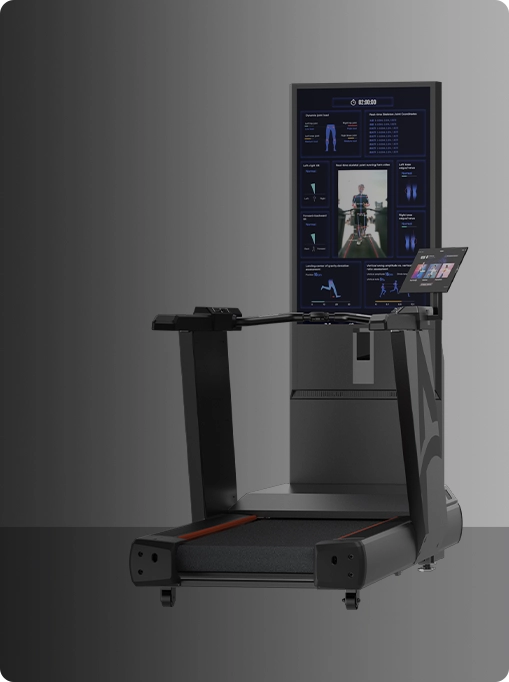
A state-of-the-art instrument that greatly improves the accuracy and detail of postural examinations is the Visbody M30. Comprehensive information on body composition, such as muscle mass, skeletal alignment, and body fat percentage, is captured by this whole body 3D scanner. With the use of its sophisticated 3D reconstruction technology, precise body avatars are created, enabling a thorough examination of the client’s alignment and posture.
– Follow-up and Progress Tracking
The Visbody M30’s capacity to track improvement over time is one of its main benefits. Teachers can keep an eye on alterations in the client’s posture and body composition by performing routine scans. This data is crucial for confirming the Pilates program’s efficacy and for making well-informed changes if necessary.
Validating Pilates Program Results
The Visbody M30‘s thorough reports offer verifiable proof of the client’s advancement. Metrics including muscle mass, joint function, and body fat percentage are included in these studies. Instructors and clients may witness the real advantages of the Pilates program, increasing adherence and motivation, by tracking these data over time.
Enhanced Visualization for Clients
Visbody M30 reports’ visual component is another effective tool for fostering client interaction. Clients can better comprehend the effects of their Pilates practice when they view a three-dimensional (3D) picture of their body and its changes over time. Setting and sustaining motivation are much easier with this improved visualization.
Trends and Needs for Personalization of Pilates Exercise
The understanding that every body is different is what’s driving the trend in fitness toward customisation. One-size-fits-all programs are no longer acceptable to clients; instead, they are looking for customized solutions that meet their unique demands and objectives. This tendency is especially noticeable in Pilates, where instructors are realizing how crucial each client’s alignment and posture are to getting the best possible outcomes.
Actionable Tips for Integrating Postural Assessments
1. Invest in Technology:
To improve the precision and level of detail in postural examinations, make use of cutting-edge instruments such as the Visbody M30. By making this investment, a client’s Pilates program can be precisely customized by gaining insightful knowledge about their posture.
2. Regular Assessments:
Regularly check postural alignment in order to monitor development and modify the Pilates exercise regimen as needed. To make sure the practice stays successful and takes into account any changes in the client’s movement patterns or posture, regular assessments are helpful.
3. Client Education:
Inform clients about proper posture and the significance of alignment in Pilates through the use of comprehensive data and visualizations produced by postural assessment tools. This might encourage clients to maintain appropriate alignment outside of sessions by explaining the reasoning behind particular exercises.
4. Customized Programs:
Create individualized Pilates regimens based on the information acquired from postural evaluations, making sure that the particular requirements of the client are met. The program can be tailored to address certain imbalances and deficiencies so that clients see more noticeable changes in their general well-being and posture.
5. Ongoing Monitoring:
Keep an eye on the Pilates program and make necessary adjustments based on continuous evaluations to avoid plateauing and take care of any emerging difficulties. By being proactive, you can make sure that the routine is still effective and challenging, which will help the client continue to advance and achieve better results.
Conclusion
Pilates postural assessments must be used in order to create customized and successful exercise regimens. Modern technology, like the Visbody M30, improves these evaluations by offering accurate and comprehensive data on posture and body composition. Pilates teachers can use this information to tailor and modify their programs so that their customers can reach their fitness objectives more quickly and securely.
References
Kloubec, J. (2010). Pilates: how does it work and who needs it? Muscles, Ligaments and Tendons Journal, 1(2), 61–66.
Wells, C., Kolt, G. S., & Bialocerkowski, A. (2012). Defining Pilates exercise: a systematic review. Complementary Therapies in Medicine, 20(4), 253–262.
Sekendiz, B., Altun, O., Korkusuz, F., & Akin, S. (2007). Effects of Pilates exercise on trunk strength, endurance and flexibility in sedentary adult females. Journal of Bodywork and Movement Therapies, 11(4), 318–326.
.