
Table of Contents
How to Effectively Change Your Body Composition

Understanding Body Composition
Body composition refers to the percentage of fat, muscle, water, and bone in your body. Unlike weight alone, which can be misleading, understanding your body composition provides valuable insights into your health and fitness. A healthy body composition is associated with lower disease risk, better physical performance, and improved overall well-being.
Why Body Composition Matters
Maintaining a balanced body composition is crucial for many reasons:
– Metabolic Health: A higher muscle-to-fat ratio can boost your metabolism.
– Performance: Optimal body composition enhances strength, endurance, and agility.
– Longevity: Healthy body composition contributes to reduced risks of chronic diseases.
Key Strategies to Improve Body Composition
Focus on Nutrition
Nutrition plays a pivotal role in altering your body composition. Here are some tips:
– Prioritize Whole Foods: Include lean proteins, whole grains, healthy fats, and plenty of fruits and vegetables in your meals.
Protein is vital for improving body composition, as it supports muscle growth and repair. Sufficient protein intake allows your body to use extra calories for muscle building, leading to more muscle and less fat. A study in the American Journal of Clinical Nutrition found that participants on a high-protein diet for 12 weeks saw significant reductions in body fat and increases in lean muscle mass compared to those on a traditional diet [1].
– Monitor Portions: Pay attention to serving sizes and caloric intake to avoid overeating.
– Balance Macronutrients: Aim for an appropriate balance of carbohydrates, proteins, and fats tailored to your goals.

Exercise for Body Composition
– Use Resistance Training to Shape Your Body
Strength or resistance training is a great technique to change your body shape. Bodyweight exercises, resistance bands, and other methods are used in this sort of training to enhance strength and muscle mass. Resistance training can enhance the body’s composition by increasing lean muscle mass and decreasing body fat.
A study published in the Journal of Strength and Conditioning Research found that resistance training can significantly improve body composition in just 12 weeks. Participants who performed resistance training three times per week for 12 weeks showed a decrease in body fat and an increase in lean muscle mass [2, 3].
– Incorporate HIIT Into Your Workout Routine
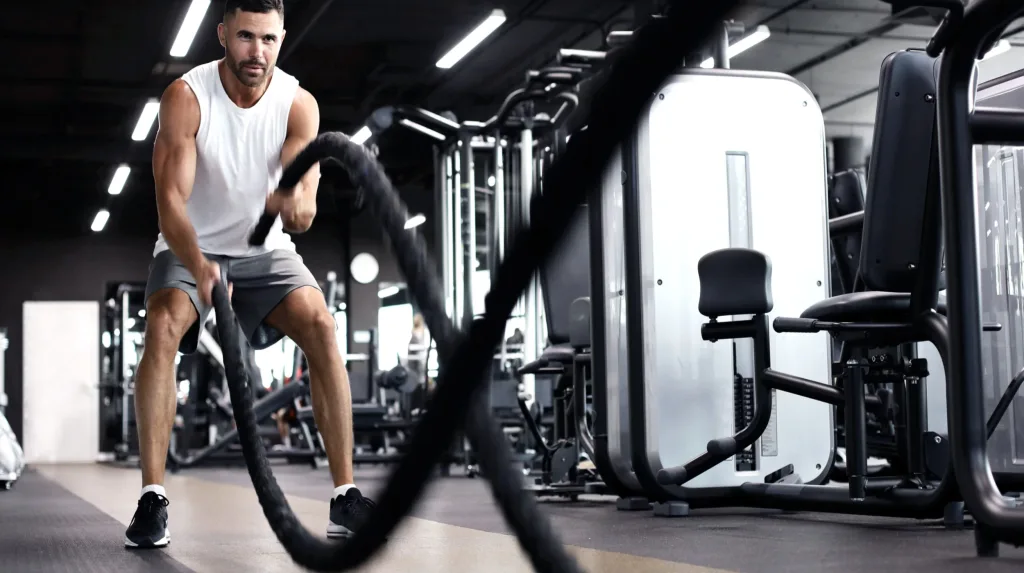
High-intensity interval training (HIIT) is one of the most effective exercises for improving body composition. HIIT involves short bursts of intense activity that elevate heart rate and metabolism, leading to increased calorie burn. These workouts are ideal for those looking to enhance muscle and endurance. A study in the Journal of Obesity found that participants who engaged in HIIT three times a week for 12 weeks experienced greater reductions in body fat and increases in lean muscle mass compared to those doing steady-state cardio. [4]
Use Intermittent Fasting for Faster Results
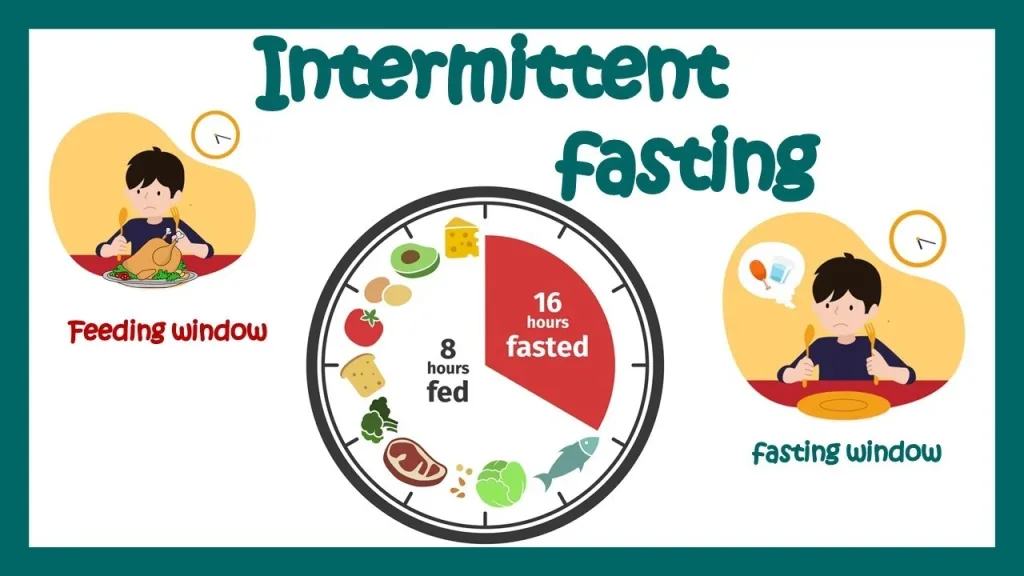
In recent years, intermittent fasting has risen in popularity to enhance physical fitness and aesthetics. Intermittent fasting is a strategy for dieting in which one alternates periods of fasting with eating. Evidence suggests intermittent fasting can help you lose weight and put on muscle.
A study published in the International Journal of Obesity found that participants who followed an intermittent fasting diet for eight weeks lost more body fat and gained more muscle mass compared to those who followed a traditional calorie-restricted diet [5].
Importance of Sleep and Recovery

Implementing Mindful Eating for Sustainable Results
Utilize Supplements to Maximize Performance
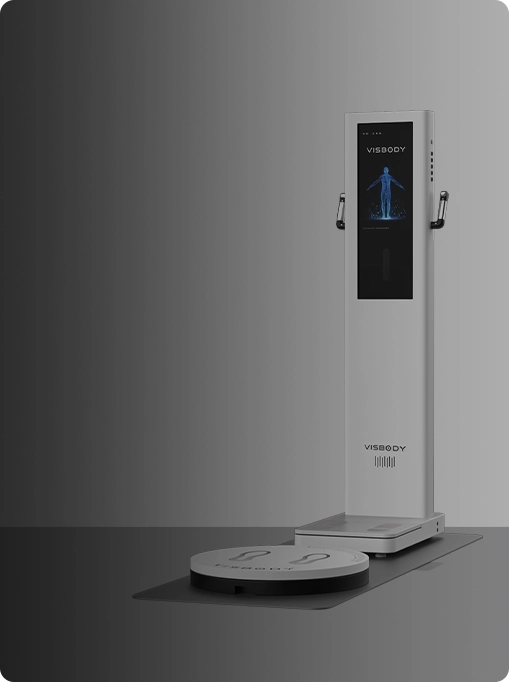
Visbody-S 30 3D Body Composition Scanner

Benefits of Using the Visbody-S 30
The Visbody-S 30 3D body composition scanner gives you an in-depth look into your physical self. The Visbody-S 30 is an advanced body composition analyzer that provides precise readings of your body fat and muscle mass. In addition, data from the scanner is presented in a straightforward format, making it easy to monitor development over time.
Some of the primary measurements it can provide include:
Body fat percentage
The Visbody-S 30 can accurately measure the percentage of body fat in a person’s body, which can be helpful in assessing overall health and tracking progress toward weight loss goals.
Muscle mass
The scanner can also measure the amount of muscle mass in the body, which is important for athletes or those looking to increase their muscle mass through strength training.
Body water content
The scanner can also measure the amount of water in a person’s body, which is an important factor in overall health and hydration.
Metabolic rate
The Visbody-S 30 can measure a person’s resting metabolic rate, which is the number of calories a person burns at rest. This information can be useful in determining caloric needs for weight management and creating a personalized nutrition plan.
Visceral fat level
The Visbody-S 30 can measure the amount of visceral fat in the body, which is the fat that surrounds the internal organs and is associated with an increased risk of health issues such as heart disease and type 2 diabetes.
The Visbody-S 30 provides a more precise analysis of your body composition, allowing for more informed dietary and workout decisions. You can use the information gleaned from the Visbody-S 30 to aid your efforts to gain muscle, reduce body fat, or maintain your present weight.

How to Use Visbody-S 30 3D Body Composition Scanner
Visbody-S 30 is a valuable tool. It is useful not merely for taking initial measurements of your body composition but also for monitoring changes over time. You can see the effects of your diet and exercise routine on your body composition with the help of Visbody-S 30, which uses cutting-edge technology to provide precise measurements of your body’s evolution over time. You can use this data to determine the best next steps for optimizing your body composition. The Visbody-S 30 is a useful tool for anyone looking to achieve their fitness goals, whether to bulk up, trim down, or stay the same.
Here are some steps for using the Visbody-S 30 to track your progress:
Take an initial measurement
The first step in using the Visbody-S 30 to track your progress is to take an initial measurement of your body composition. This will give you a baseline to work from and help you see how your body changes over time.
Set goals
Before you start tracking your progress, it’s important to set clear and specific goals for yourself. Whether you’re looking to lose weight, gain muscle, or maintain your current body composition, having a clear goal in mind will help you stay motivated and on track.
Use the Visbody-S 30 regularly
To track your progress, you’ll need to use the Visbody-S 30 regularly. It’s recommended that you take measurements at least once a month, although you can do so more frequently if you’d like.
Compare your measurements
Each time you take a measurement with the Visbody-S 30, compare it to your previous measurements to see how your body composition has changed over time. Look for trends and patterns, and use this information to make adjustments to your diet and exercise routine.
Adjust your diet and exercise routine
Based on the information you glean from the Visbody-S 30, make adjustments to your diet and exercise routine as needed. If you’re not seeing the results you want, you may need to make changes to your approach.
Stay motivated
Tracking your progress can be a powerful motivator, but it’s important to stay motivated over the long term. Celebrate your successes, no matter how small they may be, and don’t get discouraged if you don’t see progress right away. Remember that achieving your fitness goals is a journey, not a destination.
-1.png)
Conclusion
Changing your body composition involves consistent exercise, healthy eating, and monitoring your results. You can get to where you want to be in terms of body composition and keep it that way if you use the appropriate methods and equipment. The Visbody-S 30 3d body composition scanner is a cutting-edge device that can monitor your development, tailor your exercise and diet program, and boost your efficiency and effectiveness.
Learning the fundamentals of nutrition, implementing high-intensity interval training, upping your protein consumption, and practicing mindful eating are just a few of the suggestions in this article that will help you become healthier, happier, and more physically fit.
References
- American Council on Exercise. (n.d.). High-Intensity Interval Training (HIIT). Retrieved February 13, 2023, fromhttps://www.acefitness.org/education-and-resources/lifestyle/blog/5976/high-intensity-interval-training-hiit
- Borsheim, E., & Bahr, R. (2003). Effect of resistance training volume on strength and muscle mass. Medicine & Science in Sports & Exercise, 35(2), 341-347. doi: 10.1249/01.MSS.0000046933.73809.24
- Holmstrup, M. E., Bech, B. D., & Caserotti, P. (2015). Body composition measurement: A review of methods and differences in the results. Diabetes & Metabolism, 41(5), 292-302. doi: 10.1016/j.diabet.2015.03.005
- Intermittent Fasting | MedlinePlus. (2021, May 21). MedlinePlus Medical Encyclopedia. Retrieved February 13, 2023, fromhttps://medlineplus.gov/ency/patientinstructions/000786.htm
- Phillips, S. M. (2012). Protein Requirements and Supplementation in Strength Sports. Nutrition & Metabolism, 9(1), 54. doi: 10.1186/1743-7075-9-54
- St-Onge, M. P., & Mikic, A. (2000). Sleep, energy expenditure, and body weight. Journal of Clinical Sleep Medicine, 3(5), 519-528.
- The National Sleep Foundation. (2021, March 1). How Much Sleep Do We Really Need? National Sleep Foundation. Retrieved February 13, 2023, fromhttps://www.sleepfoundation.org/how-much-sleep-do-we-really-need
- Thum, M. P. (2015). The Science of Mindful Eating. Gastroenterology, 148(6), 1139-1149.e1. doi: 10.1053/j.gastro.2015.03.026