Segmental body analysis is an effective evaluation method when it comes to measuring body balance and determining recovery patterns in athletes. It is a holistic approach that divides the body into different segments and then evaluates each compartment individually.
Athletes often face issues of muscle imbalance, asymmetries, and potential injuries. Segmental analysis provides quick solutions to all these problems by offering a complete insight into their body.
However, is it that easy to boost your athletic performance with segmental analysis? Let’s find out the answer in detail below.
Table of Contents
Tailored Strength Training
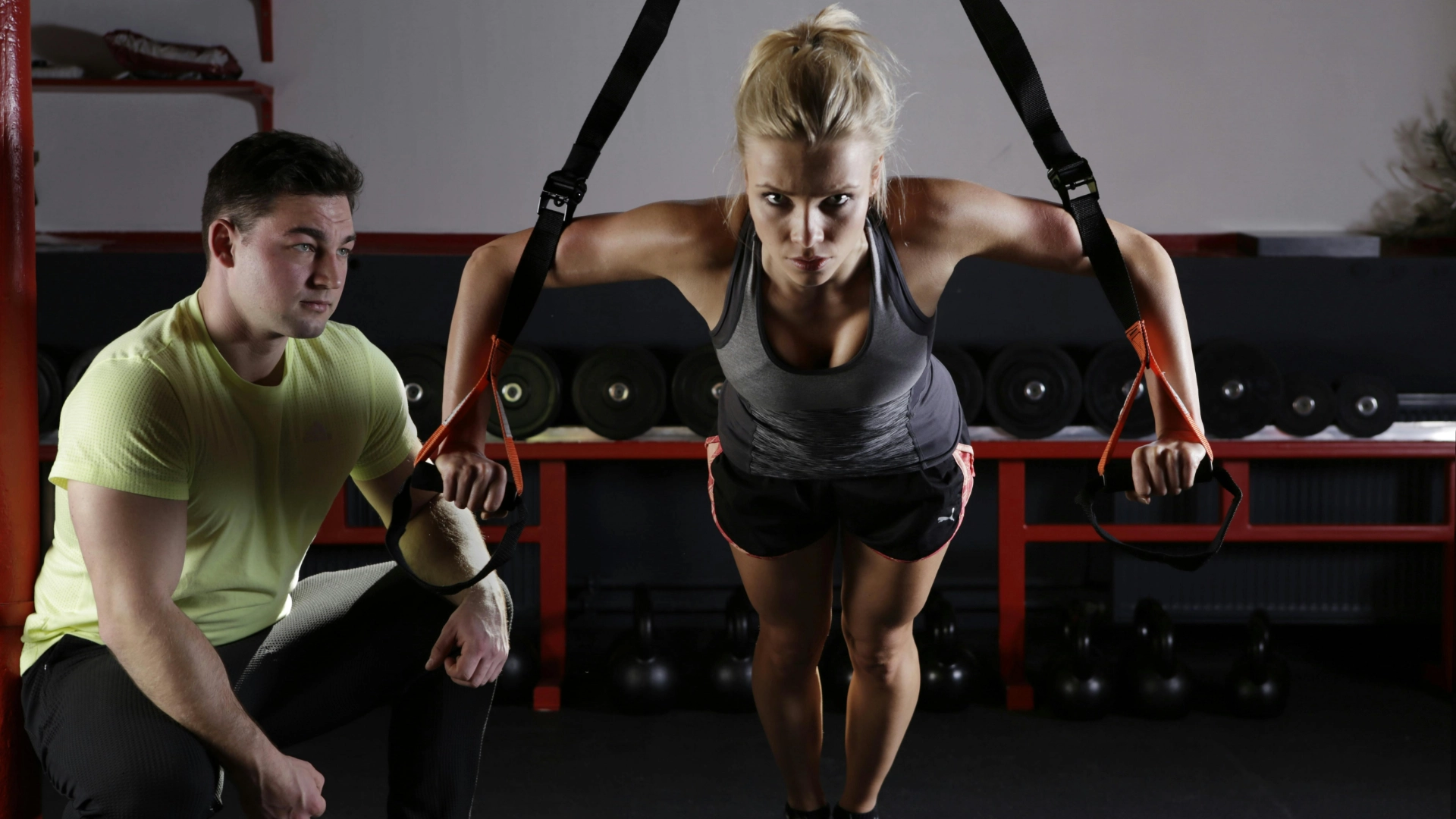
Segmental body analysis provides tailored strength training in different body regions to improve functional movement in athletes. It highlights underdeveloped muscles and identifies weaknesses to pinpoint specific areas within the body.
For instance, it assesses skeletal structure in body segments such as arms, trunks, and legs to address imbalances in various body compartments. This way, fitness trainers can improve the overall strength of athletes according to their body needs. Besides, here is how segmental analysis helps in improving athletic performance:
- It designs personalized exercise programs that target specific areas needing improvement.
- It reveals weaker muscles in the legs compared to the upper body, so you can incorporate more lower-body exercises to build strength and balance.
- It identifies muscle imbalances to help improve overall balance and coordination in individuals.
Apart from these key benefits, segmental analysis also strengthens weaker areas, thus minimising the risk of strains or other injuries. Above all, it provides a quantitative way to track progress over time. Fitness trainers and healthcare experts can make adjustments to the training program as needed to continue progressing towards their goals.
Injury Prevention and Recovery
1. Detecting Imbalances
2. Guiding Rehabilitation
Performance Optimization
3. Enhancing Specific Abilities
4. Monitoring Progress
After thoroughly evaluating body compartments, segmental analysis tracks changes in muscle mass and overall body fat, and then it provides detailed reports based on the nutrition plans and training methods. Regular monitoring of segmental body composition allows individuals to track their progress over time.
By comparing measurements at different intervals, athletes can assess the effectiveness of their training programs and make adjustments as needed to continue improving performance.
5. Nutritional Guidance
Step-by-Step Guide on Starting with Segmental Analysis
6. Using Advanced Tools
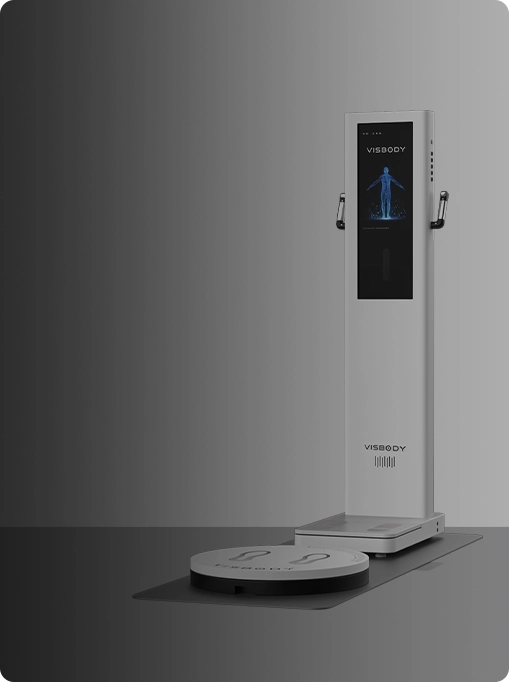
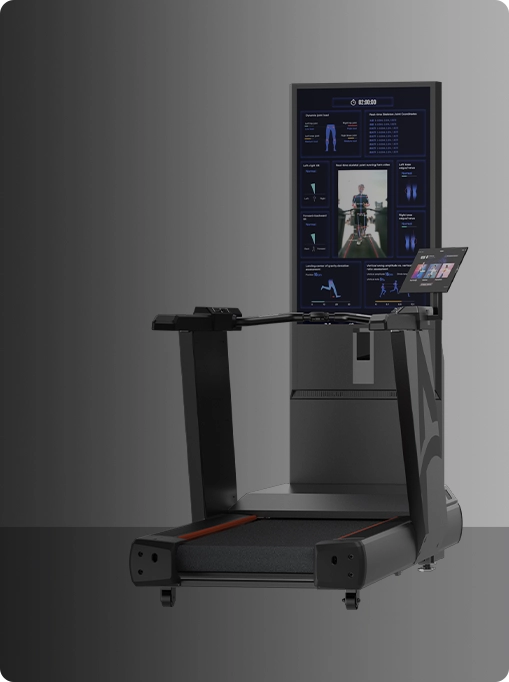
To get detailed insights into muscle mass and overall body fat, you can use advanced tools such as the Visbody body composition analyzer. This way, you can get a deeper understanding of anatomy, particularly the skeletal system and major joints. With the help of scanning machines, you can get deeper insights into muscle mass and fat distribution.
By segmenting the body into regions such as arms, legs, trunk, etc., one can track changes in muscle mass or fat distribution in specific areas. For instance, in a strength training program, tracking changes in muscle mass in the arms and legs can indicate progress in those targeted areas.
7. Data Interpretation
8. Set Clear, Measurable Goals
By assessing the distribution of muscle, fat, and bone mass throughout the body, segmental body analysis helps clients in setting measurable goals. It allows individuals to set specific goals for different body parts. For example, if someone wants to increase muscle mass in their arms, they can set a goal to improve the muscle-to-fat ratio in that specific segment.
Measurable goals are essential for tracking progress over time. By monitoring changes in body composition in specific segments, individuals can see tangible improvements and adjust their strategies accordingly. Depending on the goals of the individual, body segmental analysis can provide tailored insights. For example, a bodybuilder may focus on increasing muscle mass in specific segments, while a weight loss program may aim to reduce fat in certain areas.
9. Develop a Customized Workout Routine
Segmental analysis helps identify areas of the body that may need more attention. For instance, if someone has a higher fat percentage in their abdominal segment, they may focus on targeted exercises and nutrition strategies to address this area. This helps develop a customized workout routine and also promotes balanced muscle development.
Instead of just relying on overall body weight or body mass index (BMI), segmental analysis provides more detailed information about changes in muscle and fat composition. This can be especially useful for athletes or individuals with specific fitness goals.
10. Ensure Overall Workout Balance
Athletes and fitness enthusiasts can use segmental analysis to optimize their performance. By understanding their body composition in detail, they can tailor their training programs to enhance strength, agility, and overall athletic performance.
Based on the results of body segmental analysis, workouts can be customized to address specific strengths and weaknesses. This tailored approach ensures that each individual maximizes their potential and achieves a balanced physique.
11. Regularly Monitor Progress
Body segmental analysis can also be used for health monitoring purposes. For example, it can help identify asymmetries or imbalances in muscle mass between different limbs, which may indicate underlying issues that need to be addressed to prevent injury.
Segmental analysis often comes with visual representations, such as charts or diagrams, showing changes in each segment over time. This visual feedback can be motivating and help individuals stay committed to their goals.
Discover Our Solutions

Conclusion
Segmental body analysis can be a powerful tool in optimizing athletic performance by providing invaluable insights into the specific strengths and weaknesses of different body segments. By thoroughly understanding the distribution of muscle mass, fat, and other physiological parameters throughout the body.
Additionally, using the Visbody body scanner helps athletes and their coaches track progress with precision, allowing for timely adjustments to training protocols. Ultimately, by leveraging the data obtained through segmental body analysis, athletes can maximize their potential and achieve peak performance in their respective sports.