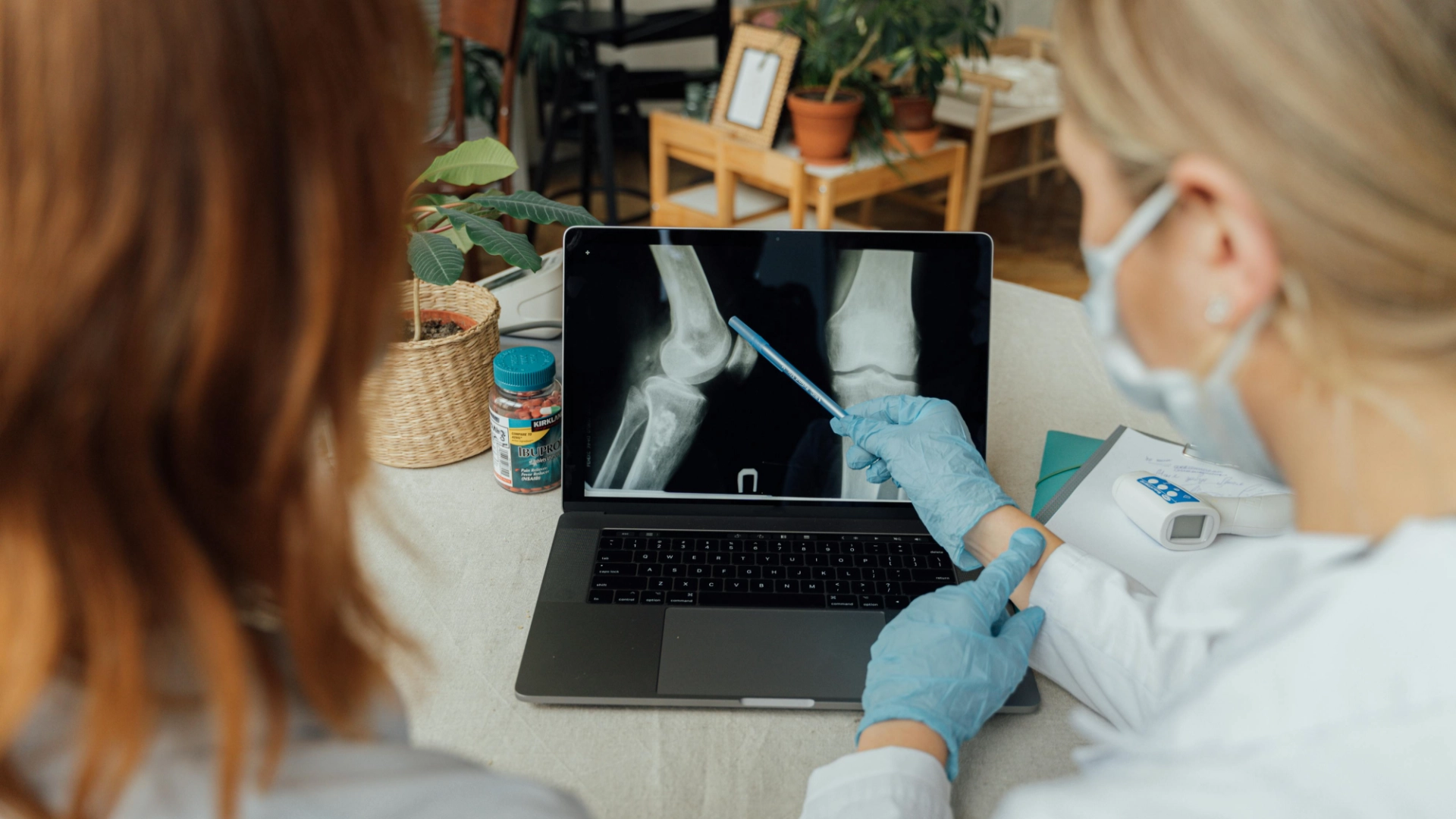
With over 50% of adults suffering from hip pain, it has become a common yet painful problem in the world. Over 14.3% of older people have experienced severe hip pain in the last 6 weeks, and the stats are increasing rapidly.
Generally, it starts from a mild pain in the thigh or buttock area but then leads to severe complications, including the inability to walk correctly. You can also experience pain in the knee, lower back, or other body parts.
But the question arises: is hip pain treatable? If yes, what are the preventive measures to get rid of this excessive pain? Let’s answer all about the causes, symptoms, and treatment of hip pain in detail below.
Table of Contents
What is Hip Pain?
Before we delve into the treatment and symptoms of hip pain, you should know what it is. Generally, any kind of pain around or in your hip joint is categorized as hip pain. However, it is not always the case that you feel pain around your hip. In fact, lower back pain, thigh pain, or pain in your groin or knee can also be a sign of hip pain.
More precisely, problem in the hip is often associated with improper balance of the ball-and-socket joint. Any dysfunctionality in the hip joint muscle can lead to pain in the pelvic region, and you might experience problems with your leg movement or overall body.
Causes of Hip Pain
1. Arthritis
- Osteoarthritis can cause pain and stiffness.
- Infectious arthritis can destroy the cartilage of the hip.
- Rheumatoid arthritis can attack the joints and bones.
2. Hip Fracture
3. Osteonecrosis
When you feel a throbbing pain in the groin or buttock area, it is often due to osteonecrosis or avascular necrosis. It is a condition that occurs due to poor blood supply, and thus, your hip bones fail to get the much-needed blood for proper movement. Gradually, the cartilage starts collapsing and can eventually break or crumble into pieces. A joint injury, drug intake, or medications can cause osteonecrosis of the hip joints.
Besides, hip pain can also result due to the following factors:
- Bursitis
- Hamstring strain
- Iliotibial band syndrome
- Hip flexor strain
- Hip impingement syndrome
- Groin strain
- Snapping hip syndrome
Whatever the cause is, pain in the hip is often deadly and can lead to severe complications if left untreated. A general preventive measure is to quickly diagnose the cause of infection and then look for medical help instantly.
Symptoms of Hip Injury
- Pain or discomfort in the thigh, knee, lower back, or around the hip
- Slow movement or difficulty walking
- Stiffness of the joint or joint locking
- Swelling in the hip area
- Change in the motion or body balance
- Snapping sensations
- Deformation, bleeding, or bruising of the leg
- High fever
- Sickel cell anemia
- Excessive pain in both hips and joints
- Pain in the groin or buttock area resulting in sleeplessness
Care and Treatment
- Try not to put too much burden or strain on your hip area. If you feel difficult walking, it’s always good to rest and not overdo things.
- Medications such as ibuprofen gel or related tablets can effectively reduce hip injury.
- You can also get help from the ice pack. Simply apply ice on the painful hip area for 20 to 30 minutes and repeat every 2-3 hours.
Diagnosing and Treating Hip Pain
Discover Our Solutions
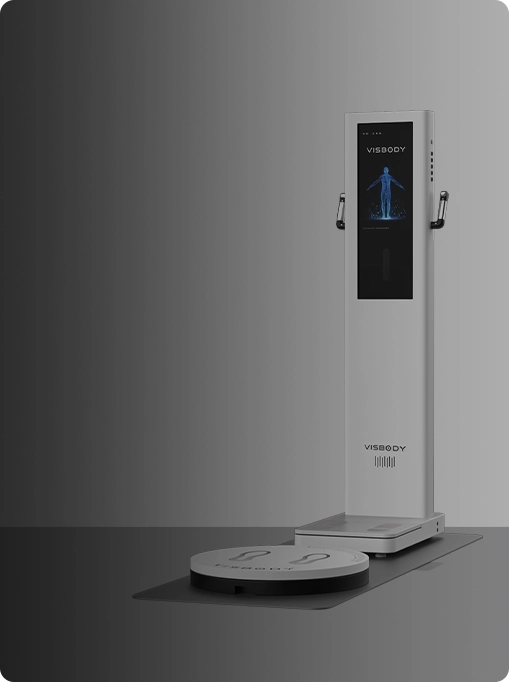
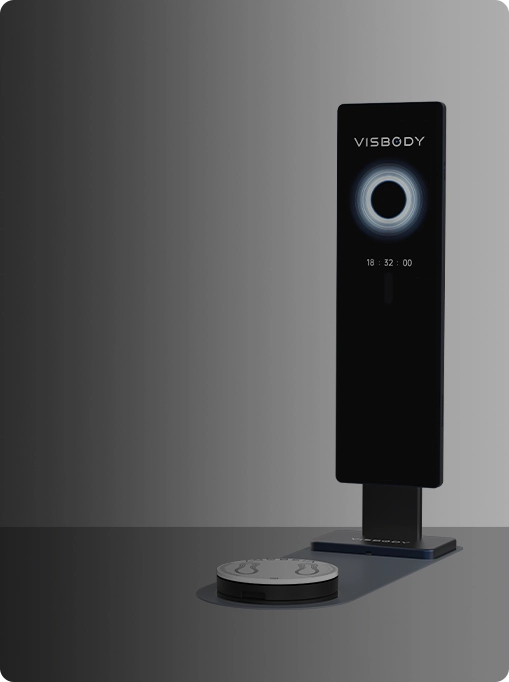
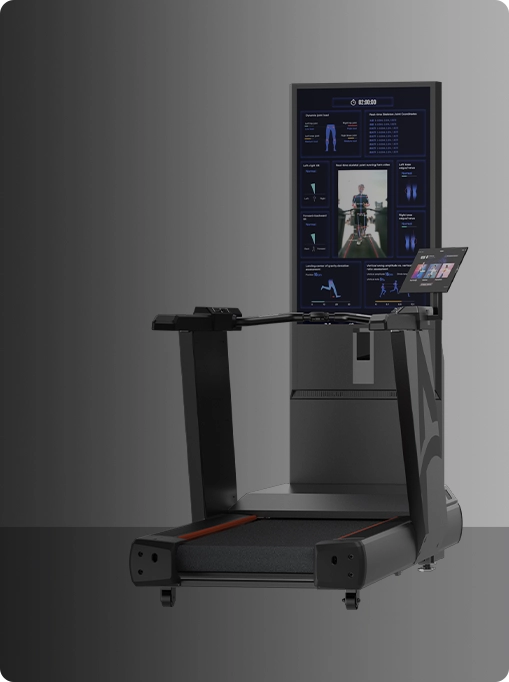
When it comes to eliminating hip pain professionally, healthcare experts use advanced scanning technology to get detailed insights into the affected area. Thanks to the Visbody 3d scanner, medical experts can now obtain precise 3d images of a person’s body and make an individual treatment plan. Let’s have a quick look at how Visbody helps in the diagnosing and treatment of hip pain.
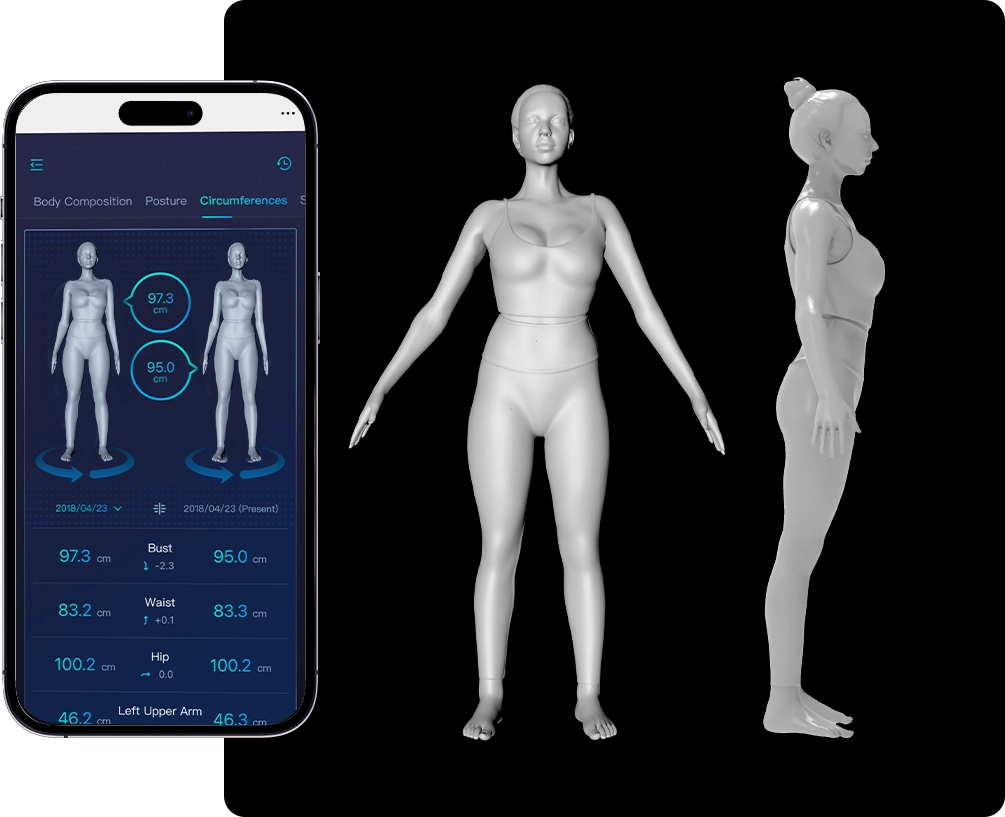
4. Captures Body Data
5. Perform Posture Analysis
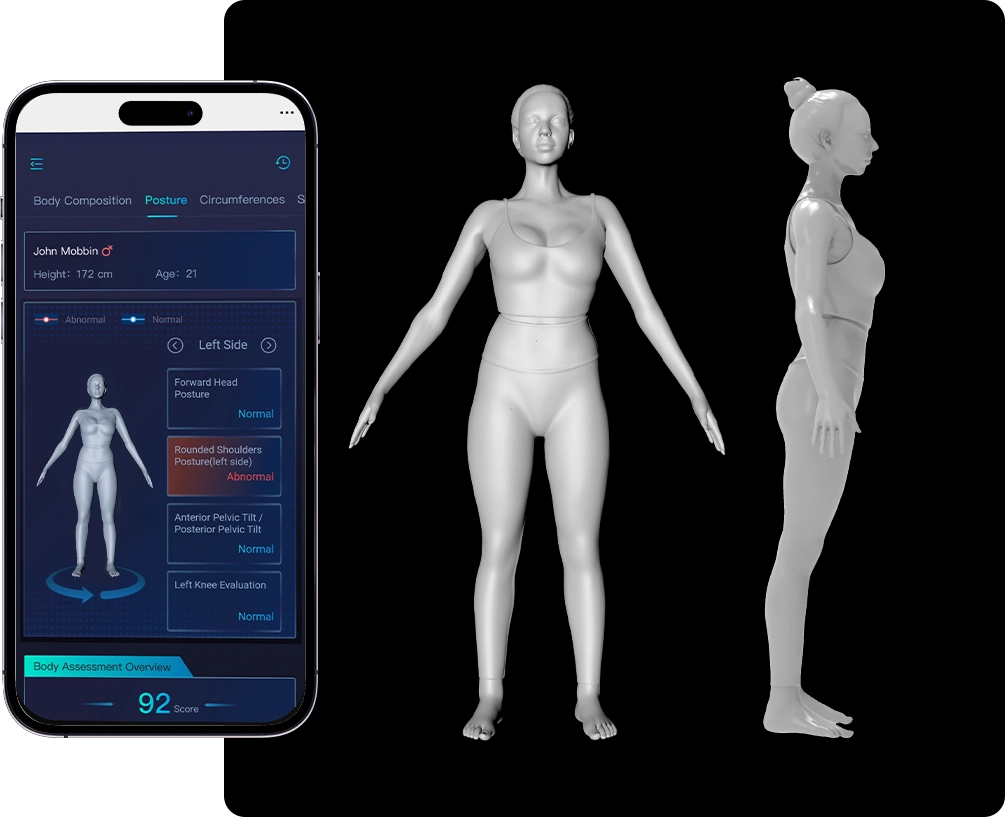
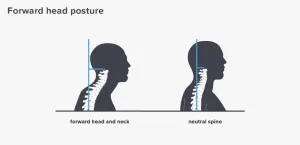
It is crucial to evaluate your posture to stabilize your hip movement and body balance. For this, the Visbody scanner uses smart core technology to perform posture evaluation on 9 different body components. It performs a 360-degree view of the body from the head to the right and left legs. Thus, you can quickly assess your physique by at the difference in height between the left and right sides of the hips and buttocks.
6. Personalized Treatment Plans
To help reduce your hip injury, the Visbody scanner assists in making specific treatment plans. Plus, this body analyzer takes into account the core body components so you can get effective care plans for speedy recovery.
7. Tracks Progress
Finally, this 3D body scanning technology tracks the treatment progress by visualizing body posture changes. It continuously monitors the treatment process and assists in keeping track of your everyday progress so you can show better results and get rid of hip problems. Compared to traditional methods, Visbody provides fully digital results.
Conclusion
Reference Link
- https://my.clevelandclinic.org/health/symptoms/21118-hip-pain
- https://orthoeastnj.com/insights/common-hip-injuries/
- https://www.webmd.com/pain-management/hip-pain-causes-and-treatment
- https://www.pennmedicine.org/for-patients-and-visitors/patient-information/conditions-treated-a-to-z/hip-pain
- https://www.aurorahealthcare.org/services/orthopedics/conditions/hip-pain
- https://myorthoct.com/news-a-events/get-moving-blog/2026-what-are-the-first-signs-of-hip-problems