
We all want a leaner and more muscular body that looks attractive to others. Right? But when it comes to getting an ideal body shape, we often struggle due to improper dietary habits and other lifestyle changes.
Therefore, body recomposition offers a more comprehensive way of reducing stubborn fat and increasing lean muscle mass. It improves the physical appearance of an individual by maintaining his muscle-to-fat ratio in a highly precise way.
However, not everyone understands their body fat percentage or muscle mass, resulting in a poor physique. This article delves deeper into body recomposition and how you can achieve a healthier body.
Table of Contents
What is Body Recomposition?
Before we jump into the details, you should know what body recomposition actually means. Simply, it is about reducing body fat and increasing muscle mass so you can stay fit and healthy. Compared to other fitness methods, this technique provides a more thorough assessment of your overall body fat and lean muscle mass. This way, you can tone your body by gaining muscular strength. Here are some key points about body recomposition to understand you better about the term:
- It builds muscles while losing fat at the same time.
- It adjusts the fat-to-muscle ratio and thus contributes to overall health and fitness.
- Individuals can optimize their performance using personalized nutrition protocols.
Why does Body Recomposition Matter?
Contrary to popular belief, body recomposition is a better indicator of health than traditional weight loss programs. It focuses on reducing excess body fat and improving muscle mass so you feel better both physically and mentally. Besides, here are some reasons why body recomposition matters:
Aesthetic Appeal
Many people aim for body recomposition to achieve a leaner, more defined physique. It can enhance self-confidence and body image, leading to improved mental well-being. Moreover, increasing muscle mass through body recomposition can boost metabolic rate, making it easier to manage weight and maintain fat loss in the long term.
Health Benefits
Achieving a balance of muscle mass and lower body fat percentage is associated with improved metabolic health, reduced risk of chronic diseases such as diabetes and cardiovascular disease, and overall better physical function.
Functional Strength
Having a higher muscle-to-fat ratio improves functional strength, making everyday activities easier and reducing the risk of injury. It also supports better posture and overall body mechanics. Additionally, research suggests that maintaining a healthy body composition is associated with increased longevity and a better quality of life as you age.
How to Track Your Transformation?
One of the key benefits of body recomposition is it helps in physique transformation. It completely changes your body by improving muscular strength and decreasing excessive fat. But there is still a query. How would you know that your body has transformed from its previous fitness level? Here are some ways that can help in this assessment process:
- Advanced Measurement Techniques
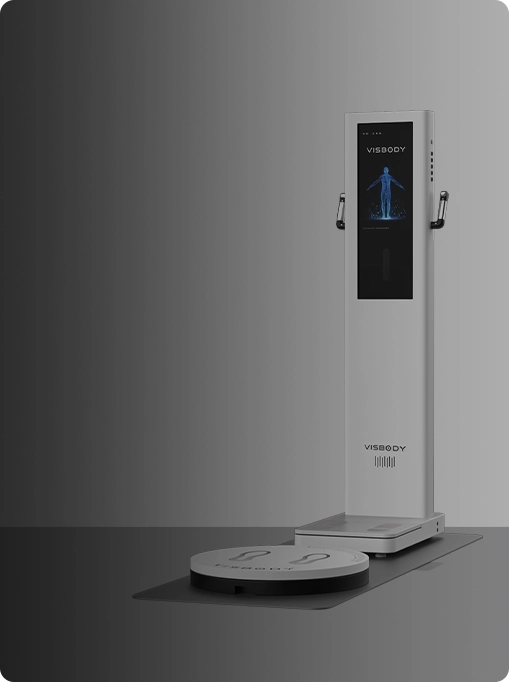
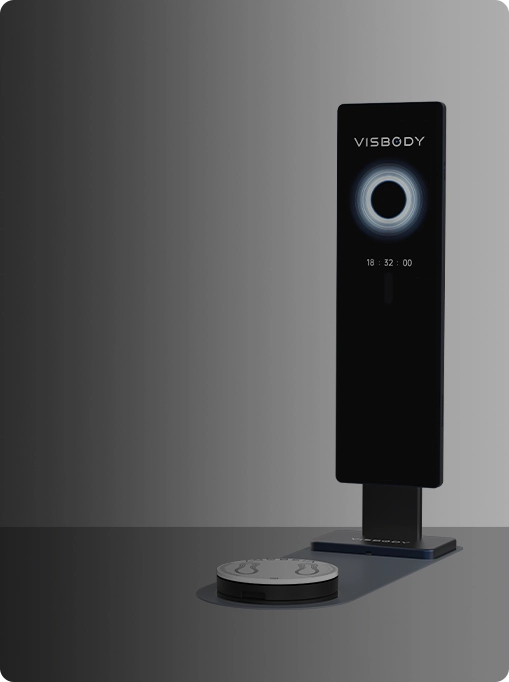
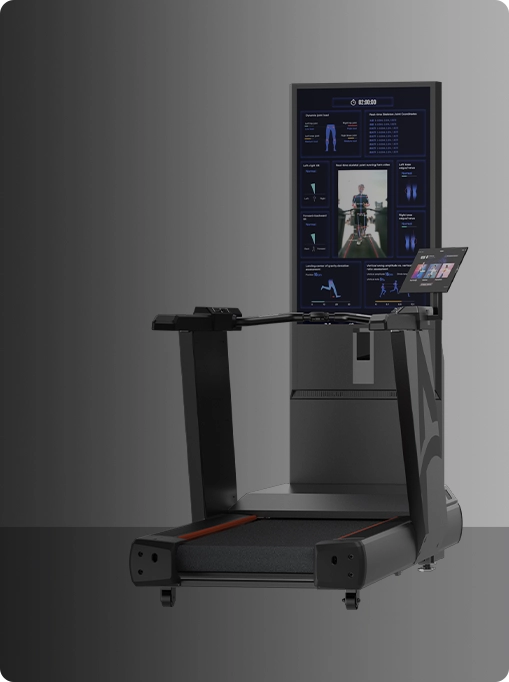
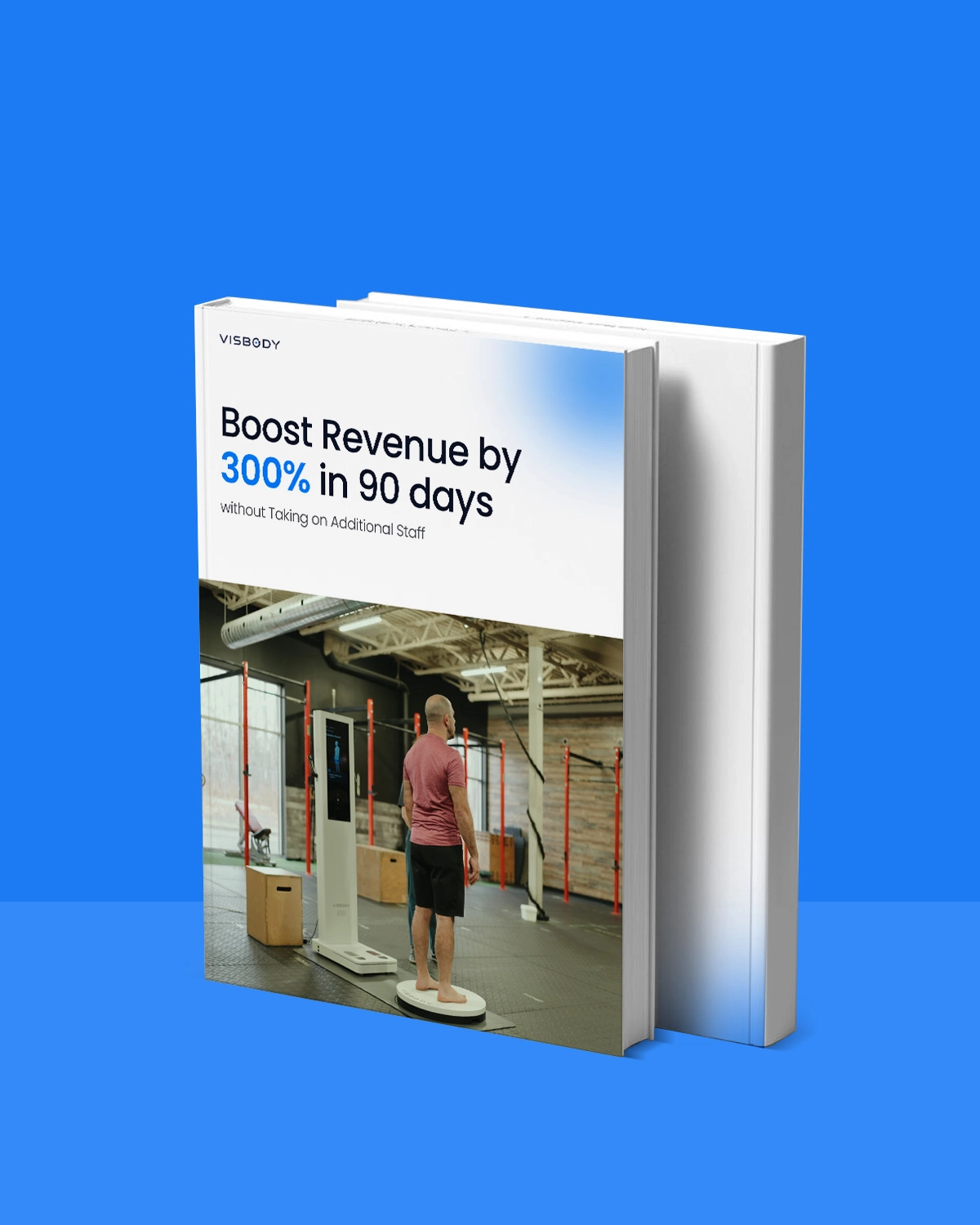
Thanks to the latest technology, you can now use advanced scanning devices like Visbody 3D body analyzer for precise progress tracking. It focuses on determining your core body composition by measuring 13 body circumferences. Thus, it provides an accurate solution for improving your overall physical structure. You might be wondering how it does so. To answer it, let’s have a look at the key features of the Visbody scanner below:
- With the help of human body scanning technology, this scanner generates accurate 3D human models. This body avatar efficiently captures data and then makes reports based on the results.
- It uses smart core technology to perform posture evaluation on 9 different body components. It performs a 360-degree view of the body from the head to the right and left legs.
- The depth-sensing camera quickly scans your neck circumference, left and right thigh, and left and right calf circumference. Thus, you can avoid inefficient body measurement methods and easily track your body’s health.
- Healthcare professionals can easily plan a diet chart or weight loss treatment using this scanner machine. For instance, if the Visbody scanner shows a lower percentage of muscle, the healthcare expert can plan a diet to gain muscles and lose fats.
The Visbody 3D body composition analyzer combines Bioelectrical Impedance Analysis (BIA) with Body Dimension Analysis (BDA) to offer unparalleled insights into body composition and posture. The BIA technology measures lean body mass and overall body fat percentage, providing precise tracking of your body’s progress. Meanwhile, the 3D scanning technology captures posture and body dimensions in detail, creating a comprehensive profile that helps you monitor changes over time. Together, these advanced techniques enable you to understand and optimize your fitness journey with unparalleled accuracy.
- Limitations of Traditional Scales
People often use body analysis devices such as BIA (Bio-electrical Impedance Analysis) to monitor their health progress. With technological advancement, the number of body analyzer devices also increased rapidly. However, these traditional tools have limitations and are ineffective in determining a complete body health report.
Although traditional body analyzer scales were efficient, they failed to measure our body shape. They solely focus on body composition but neglect shape and posture assessment. However, a precise look at the body shape and posture is crucial for an individual’s fitness. Enlisted below are some of the limitations of traditional body composition scales:
- They cannot measure your muscle strength, bone movement, and joint motion.
- You cannot get a clearer picture of your core body components.
- They do not provide information about your body aesthetics and posture alignment.
- You cannot determine your body imbalances or any problems associated with your health.
Strategies for Effective Body Recomposition
Body recomposition is an effective and reliable method of getting a leaner and more defined physique. It requires a combination of proper nutrition, resistance training, cardiovascular exercise, and recovery methods. Here are some effective strategies for body recomposition:
- Nutritional Guidelines
Body recomposition refers to the process of losing fat and gaining muscle. You need a high-protein diet with much-needed nutritional guidelines to gain muscular strength. Protein is crucial for muscle repair and growth. Aim to consume around 0.8-1 gram of protein per pound of body weight daily. Include lean protein sources such as chicken, turkey, fish, eggs, tofu, and legumes.
However, try to maintain a balanced nutritional plan and do not overdo the dietary intake. For this, prioritize nutrient-dense foods such as fruits, vegetables, whole grains, and healthy fats to support overall health and recovery.
- Strength Training
The most effective way to build muscles is by strength or resistance training. Incorporate strength training exercises into your routine to build and maintain muscle mass. Focus on compound movements like squats, deadlifts, bench presses, and rows as they engage multiple muscle groups simultaneously.
Apart from this, you can also include interval training in your lifestyle modification. Incorporating high-intensity interval training (HIIT) or sprint intervals into your cardio routine can help in body recomposition. These methods effectively burn calories, improve cardiovascular health, and preserve muscle mass.
- Losing Body Fat
Besides nutritional guidelines and resistance training, you can also follow some other ways to lose stored body fat. This involves avoiding processed foods, reducing carbohydrates, and consuming more fiber-rich foods, such as vegetables and beans. Plus, you need to consume fewer calories than you burn. However, it’s essential to maintain a moderate caloric deficit to preserve muscle mass and support recovery.
Balancing the Scales: Fat Loss vs. Muscle Gain
Now, you have completely acknowledged what it means to achieve body recomposition. Balancing fat loss and muscle gain can be a tough nut to crack, but it’s entirely achievable with the right approach. Here are some tips to help you strike that balance effectively:
- Balanced Nutrition
Focus on whole, nutrient-dense foods to support your goals. Include plenty of fruits, vegetables, lean proteins, whole grains, and healthy fats in your diet. Avoid excessive processed foods and refined sugars.
- Hydration
Stay hydrated to support overall health and optimize performance during workouts. Aim for at least 8 glasses of water per day, more if you’re exercising intensely or in hot weather. Moreover, the aim is to achieve around 1 gram of protein per pound of body weight per day to support muscle retention and growth.
- Cardiovascular Exercise
While strength training is paramount for muscle gain, cardiovascular exercise can aid in fat loss and improve overall health. Incorporate moderate-intensity cardio sessions, such as brisk walking, cycling, or swimming, for 30-60 minutes several times per week.
Aside from this, balancing fat loss and muscle gain takes time and consistent effort. Be patient with yourself and stay consistent with your nutrition and exercise habits. Results will come with persistence.
Conclusion and Next Steps
Above all, body recomposition is a holistic approach to fitness that focuses on decreasing body fat and increasing lean muscle mass. This alternatively results in a more toned and defined physique. To do this, you can follow the tips mentioned above. For additional assistance, ensure you get enough sleep and manage stress effectively, as both are crucial for recovery and muscle growth. Consider incorporating rest days into your workout routine to allow your body to recover fully.
Moreover, it is also crucial to track your progress regularly using 3D body analyzers like the Visbody scanner. By combining these strategies and tailoring them to your individual needs and preferences, you can effectively achieve body recomposition and create the lean, muscular physique you desire.