
Table of Contents
Introduction
Running is a basic human action that is both a popular form of exercise and a sport that demands perfect mechanics for both injury avoidance and peak performance. A common problem for runners is poor running mechanics, which can lead to strains in the muscles and joint pain. Being aware of and in control of one’s center of gravity is essential to attaining ideal running form (COG). This article discusses the significance of measuring COG variation in runners, the negative effects of incorrect COG alignment, and the ways in which cutting-edge devices like the Visbody Creator600 can enhance running efficiency.
The Significance of Center of Gravity Deviation Assessment
The term “center of gravity deviation” describes how the body’s center of mass deviates from its ideal alignment while it moves. The COG should ideally stay balanced and steady while running to promote effective motion and lower the chance of injury. Excessive deviations in the COG signal an imbalance that may result in poor running mechanics and more physical stress on the body.
The Biomechanics of Running
Running’s biomechanics entail the synchronization of limbs, joints, and muscles to generate forward motion. Since the COG influences the runner’s balance, stability, and efficiency, it is crucial to this process. More energy can be transferred more smoothly with a steady COG, increasing speed and decreasing fatigue. On the other hand, compensatory motions brought on by a distorted COG might worsen performance overall and raise the risk of injury.
Why You Should Be Concerned About COG Deviation
Running efficiency and injury risk are directly impacted by COG variation, which is something that runners should be aware about. The body travels more efficiently when the COG alignment is correct, which reduces wasteful energy use and increases speed. Furthermore, keeping a steady COG lessens the strain on muscles and joints, reducing problems that could keep a runner off the road for several weeks or even months.
Importance in Training and Rehabilitation
In training and rehabilitation programs, evaluating and treating COG deviation is essential. COG evaluations are a useful tool for coaches and medical practitioners to employ when identifying imbalances and customizing therapies to increase efficiency and stability. This can involve specific workouts to increase proprioception, balance, and muscle strength—all of which can assist runners lower their chance of injury and maintain a stable center of gravity.
Technology and COG Assessment
Technological developments have improved the accuracy and accessibility of COG evaluation. Wearable sensors, force plates, and motion capture devices can all offer comprehensive data on COG movement, enabling accurate analysis and action. Through the use of these technologies, coaches and medical professionals may learn a great deal about the biomechanics of runners and create customized plans that maximize performance while lowering injury risk.
The examination of center of gravity deviation is a useful tool for learning about and enhancing running biomechanics. Runners can improve their efficiency, speed, and overall performance while lowering their risk of injury by keeping their COG steady. To get the best outcomes and long-term sports performance, coaches, medical specialists, and runners themselves should give COG evaluation top priority in training and recovery regimens.
Consequences of Improper Landing
-Injuries from Repeated Stress: Running with incorrect COG alignment can put the body under recurrent stress, which can result in a variety of injuries. Among the frequent injuries are:
– Joint Stress: Ankles, hips, and knees are among the joints that suffer from increased stress when the COG is not positioned correctly. Hip bursitis, Achilles tendonitis, and patellofemoral pain syndrome are among the ailments that may result from this.
– Muscle Imbalances: When there are variations in the COG, some muscle groups may overcompensate, which results in imbalances. This may lead to hamstring and lower back sprains as well as persistent pain.
– Overuse Injuries: Plantar fasciitis, stress fractures, and shin splints are examples of overuse injuries that can result from persistently poor posture. When the body’s capacity for recovery is surpassed by repeated stress, certain injuries happen.

Using the Visbody Creator600 for Precision Assessment
- Accurate COG Deviation Assessment
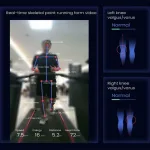
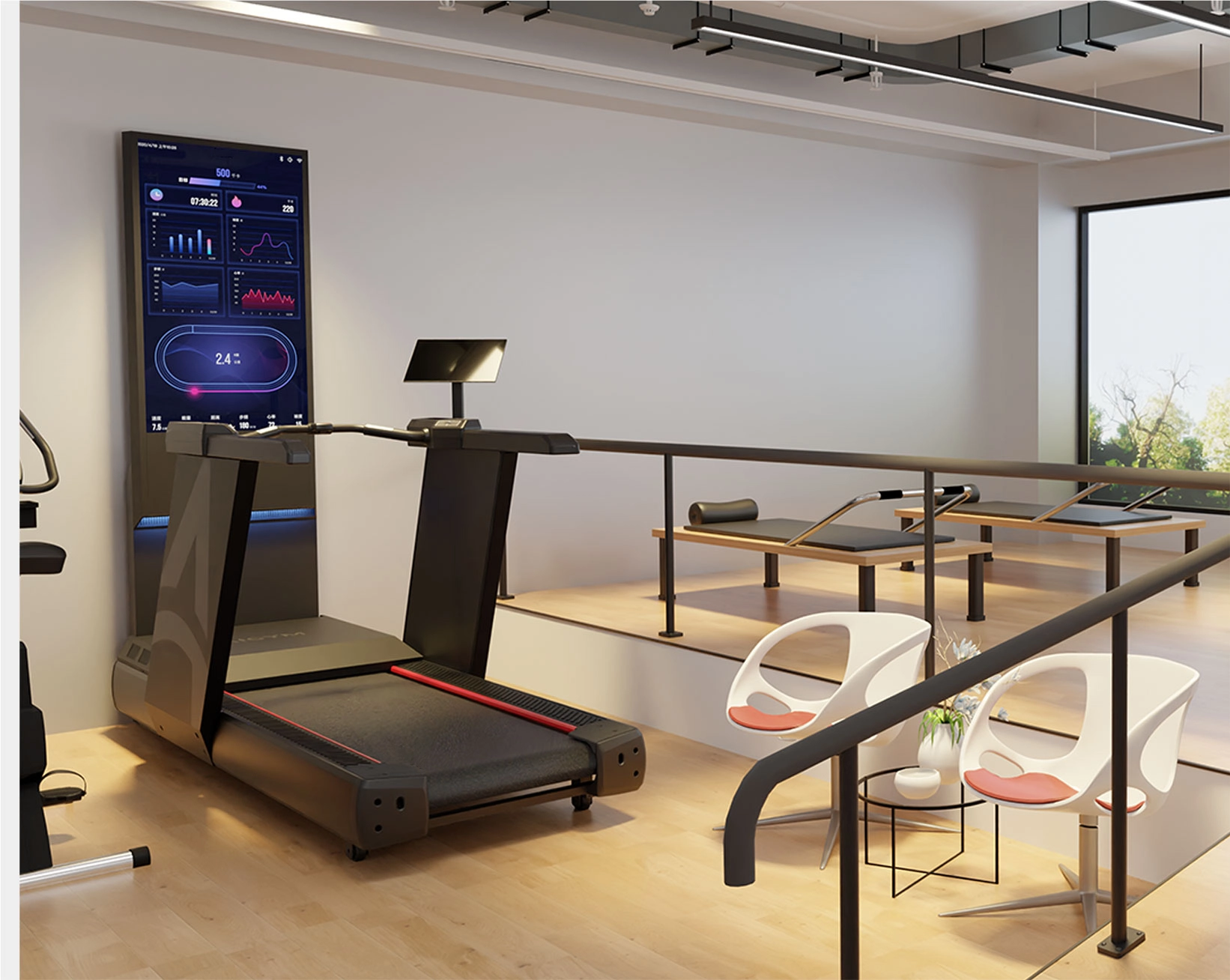
A cutting-edge instrument that offers accurate COG deviation assessments is the Visbody Creator600. The Visbody Creator600 records precise body measurements and motions using dynamic 3D reconstruction technology, producing precise 3D body avatars and thorough reports. With this technology, runners can get immediate feedback on how well their COG alignment is aligned, highlighting any deviations and potential improvement areas.
- Benefits of Real-Time Feedback and Precise Measurements
For runners, the Visbody Creator600 provides a number of advantages:
– Enhanced Awareness: By providing real-time feedback, runners may instantly correct their form by becoming more aware of their body mechanics.
– Injury Prevention: Runners can prevent injuries caused by poor alignment by taking corrective action as soon as they discover COG deviations.
– Performance Optimization: Accurate measurements help runners improve their technique, which boosts speed and efficiency.
– Data-Driven Training: The Visbody Creator600‘s extensive reports offer useful information for creating individualized training plans that enhance running form and efficiency.
Practical Advice for Runners
Tips for Maintaining Proper Center of Gravity (COG) Alignment
To maximize running performance, COG alignment must be maintained. The following are some useful advice for runners:
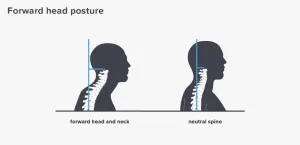
1. Focus on Posture: Take note of how you are standing. Maintain an erect posture while bending slightly forward at the ankles rather than the waist. Make sure your arms are swinging naturally at your sides, your shoulders are relaxed, and your head is up.
2. Incorporate Strength Training: Work on your core muscles by include strength training routines in your program. When you run, a strong core can help stabilize your COG.
3. Balance Exercises: Include balance drills in your training, such as single-leg stands and stability ball exercises. Your COG’s general stability and control are enhanced by these exercises.
4. Foot Strike Awareness: Pay attention to how your foot makes contact with the earth. Instead of striking with your heel, try striking with your midfoot to lessen impact forces and keep better alignment.
5. Cadence Optimization: Boost your cadence to 170–180 steps per minute when running. Better COG alignment and a decrease in overstriding can be achieved with a greater cadence.
6. Utilize Technology: Make use of gadgets such as the Visbody Creator600. With the aid of these tools, which offer thorough evaluations and instantaneous feedback on your running mechanics and COG alignment, you may make the required modifications for peak performance.
Incorporating Technology into Your Running Routine
Including cutting-edge technology, like as the Visbody Creator600, in your running regimen will help you reach your fitness objectives and offer insightful information. Here’s how to successfully integrate it:
1. Regular Assessments: To measure your progress over time and keep an eye on your COG alignment, schedule regular evaluations with the Visbody Creator600.
2. Personalized Training Plans: Create customized training programs that target particular areas for development using the Visbody Creator600 data.
3. Professional Guidance: Consult a physical therapist or running coach who is qualified to analyze the data and offer professional advice on enhancing your running technique.
4. Feedback Integration: To make quick corrections and reinforce correct mechanics, include real-time input from the Visbody Creator600 into your training sessions.
Building a Balanced Running Program
To maintain ideal COG alignment and overall running performance, a balanced running program that includes strength training, flexibility exercises, and appropriate recuperation is necessary. Here are a few essential elements to think about:
- Strength Training: Make sure your routine includes exercises for your glutes, core, and lower body muscles. Building strength and stability can be achieved with exercises like planks, deadlifts, lunges, and squats.
2. Flexibility Exercises: To preserve flexibility and avoid muscular imbalances, engage in regular mobility and stretching exercises. Pay attention to the lower back, calves, hips, and hamstrings.
3. Recovery Strategies: Make recuperation a priority by getting enough sleep, eating a healthy diet, staying hydrated, and using massage and foam rolling techniques to ease discomfort in your muscles and accelerate healing.
4. Consistency: To prevent overtraining and lower your chance of injury, stick to your training regimen while progressively boosting volume and intensity.
Conclusion
If runners want to improve their performance and avoid injuries, they must evaluate and optimize their center of gravity deviation. By employing cutting-edge technologies such as the Visbody Creator600, appreciating the importance of COG alignment, and realizing the repercussions of incorrect landing, runners can get the knowledge and skills necessary to meet their fitness objectives. Running mechanics can be optimized, efficiency can be increased, and runners can experience a healthier, more productive run by utilizing technology, adhering to proper alignment, and implementing practical suggestions.
References
Gruber AH, Hamill J. Is it advantageous for runners to alter their footstrike pattern? Mar. 2017, J Sport Health Sci. 6(1):146–153.
Lieberman DE, D’Andrea S., Werbel WA, Daoud AI, and Venkadesan M. Foot strike patterns and collision forces in habitually barefoot versus shod runners Davis IS, Mang’eni RO, Pitsiladis Y. Nature, Jan 28, 2010, 463, 7280, 531–5.
Nijhuis-van der Sanden MW, van der Worp MP, ten Haaf DS, van Cingel R, de Wijer A, and Staal JB. A comprehensive review of risk variables and gender differences related to injuries sustained by runners. 2015 Apr 8;10(2):e0114937; PLoS One.