Pilates vs. Yoga: Which Practice is Right for You?
- Introduction
Pilates and yoga are both widely practiced mind-body disciplines that offer numerous physical and mental benefits. While originating from different traditions, they share a common focus on connecting the body, mind, and breath.
Despite their similarities, Pilates and yoga have distinct characteristics. Pilates is a low-impact exercise method developed by Joseph Pilates in the early 20th century, emphasizing core strength, flexibility, and body awareness. Yoga, on the other hand, is an ancient practice that originated in India and encompasses various physical postures (asanas), breathing techniques (pranayama), and meditation.
Both disciplines promote body awareness, improve posture, and enhance flexibility. However, Pilates places more emphasis on strengthening the core muscles and developing overall body strength, while yoga focuses on integrating physical movements with breath control and achieving mental balance.
In the upcoming sections, we will delve deeper into the specific aspects of Pilates and yoga, comparing their techniques, benefits, and suitability for different individuals. This will help you make an informed decision about which practice aligns best with your personal goals, preferences, and physical condition.
- Understanding Pilates
- Origins and Principles of Pilates
Pilates believed that physical and mental health were interconnected, and his exercise system aimed to promote a balanced development of the body and mind.
The principles of Pilates include concentration, control, centering, precision, breath, and flow. These principles guide the movements and exercises in Pilates, emphasizing the integration of the mind and body.
- Focus on Core Strength, Stability, and Body Alignment
One of the key aspects of Pilates is its focus on core strength and stability. The “powerhouse,” as Joseph Pilates called it, refers to the muscles of the abdomen, lower back, hips, and buttocks. Pilates exercises are designed to engage and strengthen these muscles, providing a solid foundation for all movements.
In Pilates, there is an emphasis on proper body alignment and posture. The exercises encourage awareness of the spine’s natural curves and teach participants how to maintain neutral alignment while performing various movements. By improving core strength and body alignment, Pilates helps to prevent injuries, alleviate back pain, and improve overall stability and balance.
- Use of Pilates Equipment and Props
Pilates can be practiced on a mat using just body weight, but it also incorporates a variety of specialized equipment and props. The most common equipment used in Pilates includes the reformer, cadillac, chair, and barrel. These apparatuses offer resistance and support, allowing for a wider range of exercises and variations.
Pilates props, such as resistance bands, stability balls, and magic circles, are often utilized to add challenge, provide assistance, or target specific muscle groups. The equipment and props in Pilates enhance the effectiveness of the exercises, provide feedback, and facilitate proper alignment and movement patterns.
In conclusion, Pilates is a holistic exercise system that focuses on core strength, stability, and body alignment. Its origins and principles highlight the integration of the mind and body. The use of equipment and props further enhances the practice, providing additional resistance, support, and variety. Understanding the foundations of Pilates can help individuals make an informed decision when comparing it to other exercise practices like yoga, as we will explore in the next section.
III. Exploring Yoga
Yoga is an ancient practice that originated in India thousands of years ago. It encompasses a holistic approach to physical and mental well-being, combining physical postures, breathing exercises, meditation, and ethical principles. In this section, we will delve into the origins, philosophy, and different styles of yoga to help you gain a deeper understanding of this practice.
- Origins and Philosophy of Yoga
Yoga traces its roots back to ancient Indian civilization, with the earliest mentions found in the sacred texts called the Vedas. The philosophy of yoga is rooted in the belief that the body, mind, and spirit are interconnected, and through the practice of yoga, one can achieve balance and harmony in all aspects of life. Yoga is often associated with Hinduism, but it is not limited to any specific religion and can be practiced by people of all faiths.
- Emphasis on Breath Control, Flexibility, and Mindfulness
One of the fundamental principles of yoga is pranayama, which focuses on breath control. Yogic breathing techniques help calm the mind, increase oxygen intake, and promote a sense of relaxation and presence. The physical aspect of yoga involves performing asanas, or postures, which aim to improve flexibility, strength, and balance. These postures are typically held for a period of time while maintaining awareness of the breath and the body’s sensations, cultivating mindfulness and inner focus.
- Different Styles of Yoga
Yoga offers a wide range of styles, each with its own unique emphasis and approach. Some popular styles include:
- Hatha Yoga: Hatha yoga is a gentle and slower-paced practice that focuses on basic postures and breath control. It is suitable for beginners and emphasizes proper alignment, relaxation, and the integration of mind and body.
- Vinyasa Yoga: Vinyasa yoga is a dynamic and fluid style characterized by continuous movement linked with breath. It offers a more energetic and challenging practice, with a focus on flowing sequences of postures that build strength, flexibility, and cardiovascular endurance.
- Ashtanga Yoga: Ashtanga yoga is a rigorous and structured practice that follows a specific sequence of postures. It involves synchronized breath and movement, and practitioners gradually progress through a series of poses, building strength, flexibility, and stamina.
These are just a few examples of the many styles of yoga available. It’s important to explore different styles and find the one that resonates with you and aligns with your goals and preferences.
- Choosing the Right Practice for You
When it comes to deciding between Pilates and yoga, it’s important to consider your individual goals, preferences, and physical condition. Both practices offer unique benefits, and understanding how they complement each other in a well-rounded fitness routine can help guide your decision. Here are some key points to consider:
- Consider individual goals, preferences, and physical condition:
- Fitness goals: Determine what you hope to achieve through your practice. Are you looking to improve strength, flexibility, or overall body conditioning? Pilates focuses on building core strength and stability, while yoga emphasizes flexibility, balance, and mindfulness.
- Preferences: Think about the type of movement and atmosphere that resonates with you. Pilates involves controlled, precise movements performed on specialized equipment or a mat, while yoga incorporates a variety of poses, flows, and breathing techniques.
- Physical condition: Take into account any injuries, limitations, or medical conditions you may have. Consult with a healthcare professional or certified instructor to ensure that your chosen practice is safe and suitable for your specific needs.
- Discuss how Pilates and yoga complement each other in a well-rounded fitness routine:
- Core strength and stability: Pilates focuses on developing a strong core, which can benefit your yoga practice by providing a stable foundation for balancing poses and movements.
- Flexibility and mobility: Yoga emphasizes stretching and improving flexibility, which can enhance your Pilates practice by increasing your range of motion and preventing muscle imbalances.
- Mind-body connection: Both practices promote mindfulness and body awareness, allowing you to connect with your breath, reduce stress, and improve overall mental well-being.
- Provide guidance on selecting the practice that aligns with personal needs and interests:
- Try both: Experiment with both Pilates and yoga to experience firsthand how they feel in your body and resonate with you mentally and emotionally.
- Consider a combination: Many individuals find value in incorporating elements of both practices into their fitness routine. This can create a well-rounded approach that addresses different aspects of physical fitness and overall well-being.
- Seek guidance: Consult with certified instructors or fitness professionals who can provide personalized guidance based on your specific needs, goals, and physical condition.
Ultimately, the choice between Pilates and yoga depends on your individual preferences, goals, and what feels right for your body and mind. Remember that there is no one-size-fits-all approach, and listening to your body and honoring its needs is key. Whether you choose Pilates, yoga, or a combination of both, embracing a regular practice can lead to improved strength, flexibility, and overall physical and mental well-being.
- Using Body Scanner to Choose the Right Exercise Method
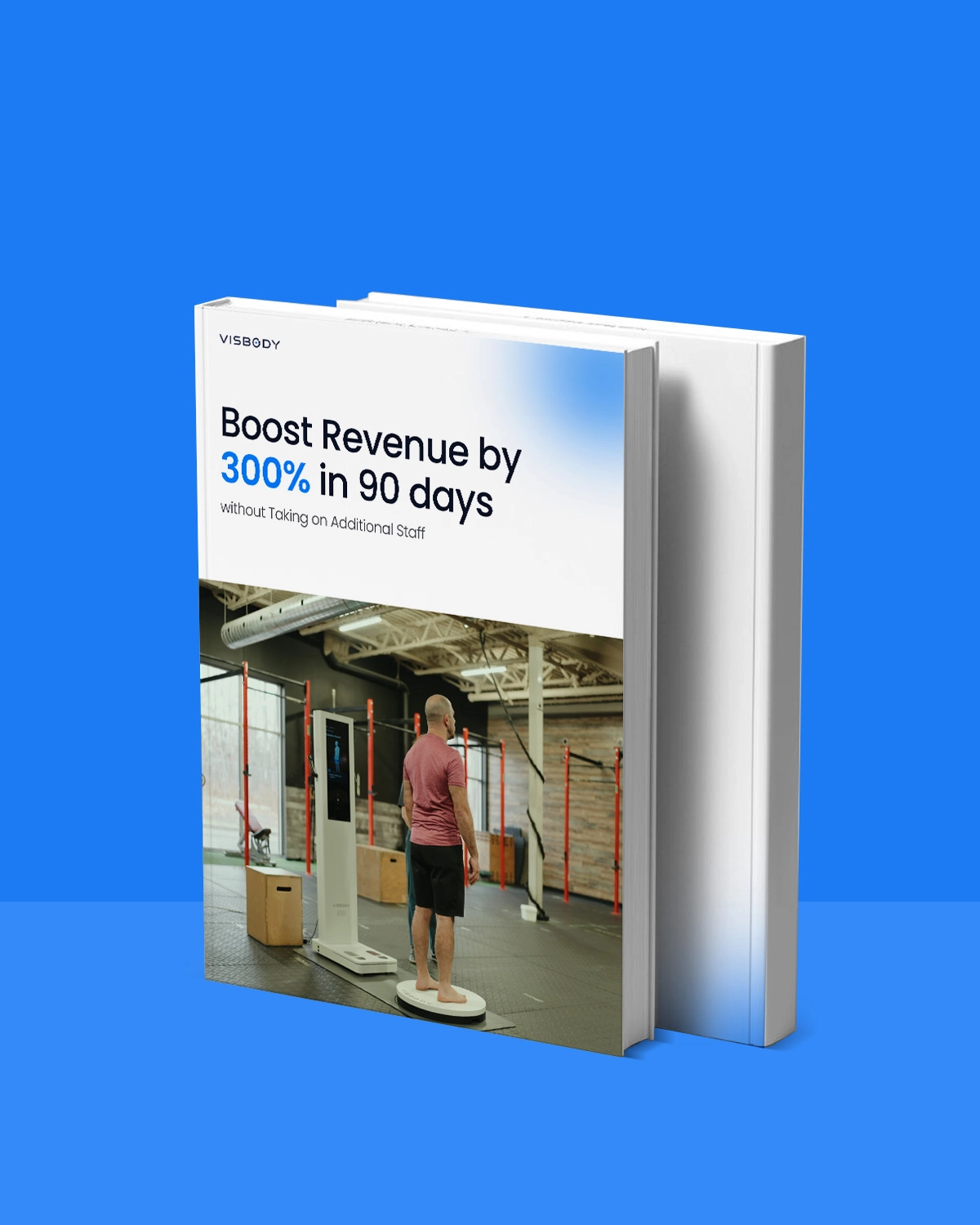
When it comes to deciding between Pilates and yoga, incorporating a body scanner can be a valuable tool in selecting the exercise method that best suits your needs. Here’s how you can utilize a body scanner to make an informed choice:
- Assess your body composition: A body scanner provides accurate measurements of your body fat percentage, muscle mass, and overall body composition. Understanding these metrics can help you identify areas you want to target, such as muscle development or weight loss.
- Identify your strengths and weaknesses: By analyzing the data provided by the body scanner, you can identify your strengths and weaknesses in terms of muscle imbalances or areas that require more attention. For example, if the scanner indicates a weak core, Pilates may be a suitable choice to strengthen those muscles.
- Consider your physical condition: The body scanner can help you understand any existing injuries, limitations, or imbalances in your body. This information is crucial in determining which exercise method—Pilates or yoga—will be safer and more beneficial for your specific condition.
- Track your progress: Regular scanning sessions with the body scanner allow you to track your progress over time. You can monitor changes in body composition, muscle development, and overall fitness levels. This feedback helps you evaluate the effectiveness of your chosen exercise method and make adjustments if needed.
- Consult with professionals: A body scanner provides objective data, but it’s essential to seek guidance from fitness professionals, such as trainers or instructors who can interpret the results and provide personalized advice based on your goals and physical condition. They can help you understand how Pilates or yoga aligns with your body scan results and guide you towards the most suitable practice.
In summary, incorporating a body scanner into your decision-making process when choosing between Pilates and yoga can provide valuable insights into your body composition, strengths, weaknesses, and progress. This information, coupled with professional guidance, will help you make an informed decision and select the exercise method that aligns with your goals and supports your overall fitness journey.
VII. Conclusion
In conclusion, Pilates and yoga are two popular mind-body practices that offer numerous benefits for physical and mental well-being. Throughout this article, we have explored the characteristics, benefits, and differences between Pilates and yoga, aiming to help you determine which practice is right for you. Let’s summarize the key points discussed:
Pilates is a low-impact exercise method that focuses on core strength, flexibility, and body awareness. It utilizes specialized equipment and precise movements to improve posture, balance, and muscle tone. On the other hand, yoga is a holistic practice that combines physical postures, breathing techniques, and meditation to promote flexibility, strength, relaxation, and mental clarity.
When deciding between Pilates and yoga, it is important to consider your individual goals, preferences, and physical condition. If you are seeking a targeted workout that emphasizes core strength and stability, Pilates may be a suitable choice. If you are looking for a practice that integrates physical movement, mindfulness, and spirituality, yoga might be the right fit. Keep in mind that there is no one-size-fits-all answer, and it’s perfectly acceptable to incorporate both practices into your fitness routine.
Ultimately, the most important aspect of any fitness journey is consistency and enjoyment. Whether you choose Pilates, yoga, or a combination of both, it is crucial to establish a regular practice that you genuinely enjoy. Consistency breeds progress and allows you to reap the long-term benefits of these mind-body practices. Listen to your body, respect its limits, and always prioritize self-care.
So, why choose between Pilates and yoga when you can explore both? Embrace the versatility and diversity of these practices, and find the perfect balance that suits your unique needs and preferences. Remember, the ultimate goal is to nourish your body, mind, and soul through movement and mindfulness.
Embark on your Pilates and yoga journey with an open mind, embrace the process of self-discovery, and savor the transformative benefits that await you. Whether you are seeking physical strength, mental clarity, stress relief, or a deeper connection with yourself, both Pilates and yoga can be incredible tools for holistic well-being. Embrace the power of these practices, and embark on a path of self-transformation and personal growth.
The choice is yours—Pilates, yoga, or both? Start your journey today and let the transformative power of mind-body practices unfold in your life.