
Table of Contents
1. Understanding ‘Skinny Fat’
What Does ‘Skinny Fat’ Mean?
“Skinny fat” describes individuals who appear slender but have a higher proportion of body fat relative to muscle mass. Despite their lean appearance, they may lack muscle definition and carry significant fat deposits, especially around the abdomen. This condition often results from poor diet, minimal exercise, and a predominantly sedentary lifestyle.
What Does a ‘Skinny Fat’ Body Look Like?
A “skinny fat” body typically has soft, flabby areas, particularly around the hips, thighs, and waist due to low muscle tone and definition. Although these individuals may seem slender, their body fat percentage often exceeds healthy levels, resulting in a lack of muscle definition and general physical weakness.
Subcutaneous vs. Visceral Fat
Subcutaneous fat lies just beneath the skin, forming a layer that you can pinch. It provides essential cushioning, helps insulate the body, and stores energy. While an excess of subcutaneous fat can contribute to obesity-related problems like insulin resistance and inflammation, it generally poses less health risk compared to visceral fat.
Visceral fat, however, is stored deeper within the abdominal cavity, surrounding internal organs like the liver, pancreas, and intestines. This type of fat is more dangerous because it is metabolically active and can produce inflammatory chemicals. Elevated visceral fat levels are associated with higher risks of type 2 diabetes, cardiovascular disease, and other metabolic disorders.
Individuals who appear slim but have high body fat and low muscle mass are often classified as “skinny fat.” This body composition is marked by disproportionate fat distribution, reduced muscle tone, and a heightened risk of metabolic diseases. Differentiating between subcutaneous and visceral fat is critical for crafting effective health strategies.
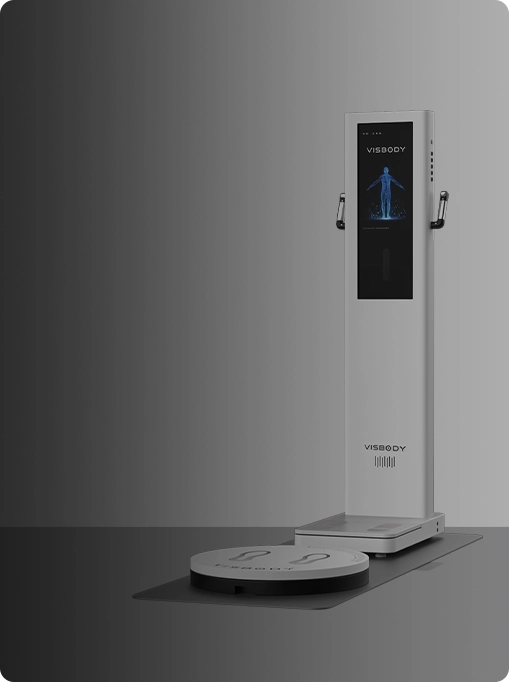
The Visbody S30, a 3D body composition scanner, provides comprehensive evaluations of muscle mass, fat, and body water. It can help identify if you fall into the “skinny fat” category and offer guidance on the next steps to improve your health.

2. Signs of being ‘skinny fat’
- Absence of muscular definition: People may appear slim, yet their arms, legs, and belly may be especially devoid of muscular tone and definition. The body may appear softer and less defined as a result of this lack of muscle definition.
- Low fat in the skin: ‘Skinny fat’ people may have patches of soft or flabby flesh in their appearance, particularly in the thighs, hips, and belly. These locations may have a lower-than-ideal percentage of body fat despite having a relatively modest body weight.
- High Body Fat Percentage: “Skinny fat” people may have a greater body fat percentage than is normal for their age and gender, even though they may weigh very little overall. The disparity between body composition and weight can exacerbate health problems linked to obesity.
- Weakness: Low muscle mass and insufficient muscle endurance might be indicated by weakness and weariness after physical exertion. “Skinny fat” people could find it difficult to do tasks requiring endurance or muscle.
- Metabolic disturbances: ‘Skinny fat’ people may have metabolic problems such aberrant lipid profiles, excessive blood sugar, and insulin resistance. This metabolic disruption raises the risk of cardiovascular disease and type 2 diabetes.
- Visceral Fat Accumulation: Visceral fat, which envelops the internal organs and presents serious health hazards, can accumulate in people even if they may appear thin. Insulin resistance, metabolic dysfunction, and inflammation are linked to the accumulation of visceral fat.
- Elevated Waist Circumference: Visceral fat buildup and a higher risk of metabolic diseases may be indicated by a waist circumference that is excessively large in relation to overall body size. Waist circumference measurements can be used to identify people who, despite their looks, are classified as “skinny fat.”
3. What Causes One to Become ‘Skinny Fat’
- Sedentary Lifestyle: If combined with extended periods of sitting or inactivity, a lack of regular physical activity can cause muscular atrophy and a rise in body fat percentage.
- Bad Eating Habits: Even in those who weigh relatively little, eating a diet heavy in processed foods, sugar-filled drinks, and unhealthy fats can lead to the buildup of excess body fat.
- Absence of Strength Training: Skipping strength training workouts can lead to a “skinny fat” body composition by reducing metabolic rate and causing muscle loss.
- Genetic Factors: Certain people are more likely to store fat around their abdomen and internal organs due to genetic predispositions that may affect body fat distribution and metabolism.
- Factors Associated with Metabolism: Imbalances in hormones, including insulin resistance or thyroid dysfunction, can impact metabolism and cause fat to accumulate, especially around the abdomen.
- Stress and Sleep Habits: Prolonged stress and inadequate sleep patterns can interfere with hormone levels and metabolic functions, leading to weight gain and alterations in body composition.
- Age-Related Changes: As people get older, their muscle mass tends to diminish and their body fat increases, particularly if their levels of physical activity and food habits don’t alter.
These elements, either separately or in combination, may play a role in the development of a “skinny fat” body composition, which is defined by low muscle mass and high body fat despite the impression of relative thinness.
4. Health Risks Associated with Being ‘Skinny Fat’
- Increased Risk of Metabolic diseases: People who are “skinny fat,” or have excess body fat, especially visceral fat, are more likely to develop metabolic diseases such type 2 diabetes, insulin resistance, and dyslipidemia.
- Cardiovascular Complications: Although “skinny fat” people may appear lean, their high body fat percentage and poor muscle mass may put them at risk for cardiovascular complications such as high blood pressure, atherosclerosis, and coronary artery disease.
- Lowered Metabolic Rate: Over time, a lowered metabolic rate can lead to weight increase and difficulties connected to obesity. This can be attributed to low muscle mass and high body fat percentage. Consequently, managing weight can become more difficult.
- Physical Weakness and Functional limits: A “skinny fat” body composition can cause weakness and decreased muscle strength, which can result in functional limits, decreased mobility, and a higher risk of falls and injuries.
- Long-term Health Complications: If “skinny fat” is left untreated, it can result in chronic illnesses like cancer, Alzheimer’s disease, and early mortality.
Who’s at Risk of Being ‘Skinny Fat’?
- Inactive People: Due to muscular atrophy and a rise in body fat percentage, sedentary people who lead mostly inactive lifestyles are more likely to have a “skinny fat” body composition.
- People with bad Dietary Practices: Even though they may appear slender, those with bad dietary practices—such as consuming an excessive amount of processed foods, sugary drinks, and unhealthy fats—are more prone to gain extra body fat.
- Ignorant of Strength Training: People who prioritize aerobic activities over strength training exercises may lose muscle mass and metabolic rate, which can lead to a “skinny fat” body type.
- People with Sleep Disorders: People who suffer from chronic stress and sleep disorders may be more likely to acquire weight and experience changes in their body composition, which raises the possibility that they may develop “skinny fat.”
- Underweight People: If a person has weak muscular tone and an abnormally high body fat percentage, they can even have a low body weight and create a “skinny fat” body composition.
How to Tell If You’re Skinny Fat
There are a number of techniques to determine if your body composition is “skinny fat,” and each one provides a different perspective on how your body distributes fat and muscle:
1. Waist Circumference
Skinny fat’ people tend to accumulate abdominal fat, therefore measuring your waist circumference is a straightforward yet useful method of assessing this. Standing comfortably, take a measuring tape and wrap it around your waist to the level of your navel. More than 35 inches around the waist for women and 40 inches around the waist for males may be indicative of extra visceral fat and a higher risk of metabolic diseases.
2. Calipers
Skinfold calipers are frequently used to gauge the thickness of subcutaneous fat at a number of body locations, such as the triceps, thighs, and belly. Calipers are used to determine the overall amount of body fat by applying pressure to certain areas of the skin and underlying tissue. Elevated skinfold measurements, namely in the abdominal region, could indicate a greater percentage of body fat in comparison to muscle mass.
3. BIA Scales/Body Composition Scales
Electrical impedance is used by bioelectrical impedance analysis (BIA) scales, also referred to as body composition scales, to measure body composition, including muscle mass, body fat percentage, and hydration levels. A “skinny fat” body composition may be indicated by low muscle mass and a high body fat percentage when standing barefoot on the scale.
4. Underwater Weighing
Underwater weighing, which involves submerging the body in water and measuring displacement to compute body density, is regarded as the gold standard for assessing body composition. With this technique, lean body mass and body fat % can be precisely measured, providing important information on body composition.
5. DEXA (Dual-Energy X-ray Absorptiometry)
Low-dose X-rays are used in DEXA scans to determine the amount of fat, lean tissue mass, and bone mineral density in various body parts. This cutting-edge imaging method is a great tool for evaluating “skinny fat” people because it gives comprehensive information on the distribution of muscle and fat.
You can learn more about your body composition and if you are considered “skinny fat” by implementing one or more of these techniques. To further understand the findings and create a customized plan to enhance your general health and well-being, speaking with a healthcare provider or fitness specialist can be helpful.
How to Get Rid of Skinny Fat
A combination of dietary adjustments and lifestyle alterations are needed to get rid of “skinny fat” in order to increase muscle mass, decrease body fat, and enhance general health:
Recommended Dietary Measures
Recommended Dietary Measures
- Nutrition Balance: Make an effort to eat a diet high in complex carbs, lean proteins, healthy fats, and an abundance of fruits and vegetables. Choose healthy meals to enhance muscle growth and improve metabolic health instead of processed or refined goods.
- Calorie Control: Make sure you’re in a small calorie deficit, which promotes fat reduction without sacrificing muscle mass, by paying attention to portion sizes and total caloric intake. Aim for a moderate weekly calorie reduction to achieve sustainable weight loss of 0.5 to 1 pound.
- Protein Intake: To promote muscle growth and repair, raise your protein consumption. Lean protein sources: To improve satiety and maintain lean muscle mass while losing weight, use lean protein sources like chicken, turkey, fish, tofu, lentils, and low-fat dairy in your meals.
- Healthy Fats: To support hormone synthesis, cognitive function, and general well-being, include healthy fats in your diet from foods like avocados, nuts, seeds, and olive oil. Reduce your consumption of processed and fried foods’ saturated and trans fats.

Recommended Lifestyle Measures
- Strength Training: To boost your metabolic rate and gain lean muscle mass, incorporate strength training activities into your exercise regimen. Use compound exercises like lunges, bench presses, deadlifts, and squats to work many muscular groups at once.
- Cardiovascular activity: To burn calories, strengthen your heart, and aid in fat loss, incorporate regular cardiovascular activity into your routine. Examples of this include jogging, cycling, swimming, and brisk walking. Aim for at least 75 minutes of strenuous activity or 150 minutes of moderate-intensity aerobic activity each week.
- Hydration and Recuperation: To promote muscle regeneration and enhance metabolic function, make sure you get enough sleep, stay hydrated by consuming lots of water throughout the day.