
Table of Contents
Introduction
These days, lives are heavily impacted by the lifestyles that human beings have the privilege of living. These changes help human beings survive in the world, but they also change the bodies of every commoner. A sedentary lifestyle can shift your body’s orientation and seem sloped or crooked. Your freestyle or some unfortunate injury can give you uneven bone structure, including sloped shoulders. A body analyzer machine can help assess the imperfections in one’s posture.
In this case, one has shoulders that are higher than the other one. You might notice a person’s right shoulder is slightly higher than the left. This occurs due to a man’s daily life or some injury. If the case is mild, it can be cured with everyday exercises and stretches, but extreme cases may need much attention.
1. Understanding Sloped Shoulders
- Definition and anatomical overview.
- How sloped shoulders differ from normal shoulder alignment.
2. Causes of Sloped Shoulders
- Poor posture and its long-term effects.
- Muscle imbalances and weakness.
- Lifestyle and environmental factors.
- Genetic predispositions.
3. Symptoms of Sloped Shoulders
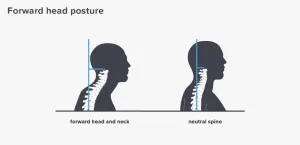
- Physical manifestations: uneven shoulder height, forward head posture.
- Potential pain and discomfort areas.
- Impact on movement and physical capabilities.
4. Diagnosing Sloped Shoulders
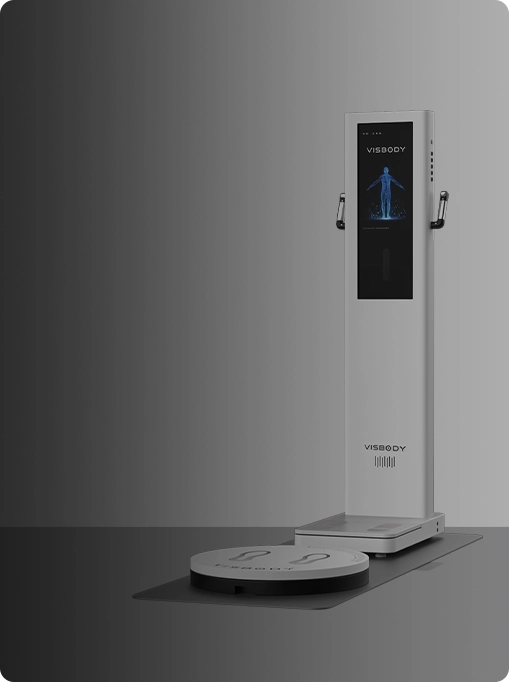
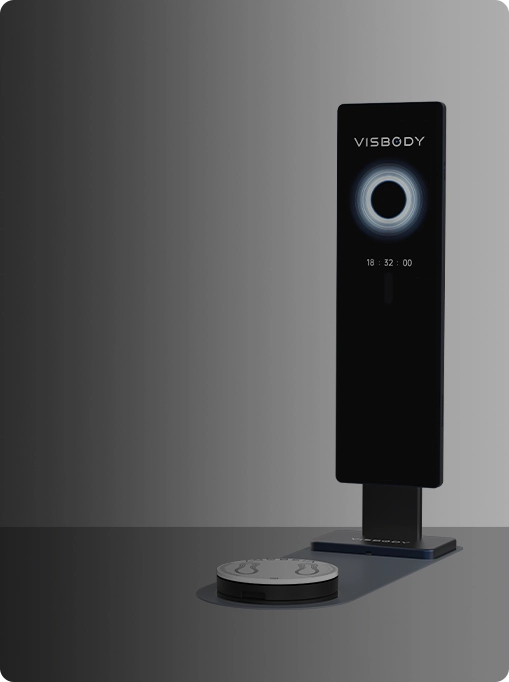
- Professional assessments like 3d body scanners and self-evaluation tips.
Discover Our Solutions
5. Comprehensive Approaches to Correcting Sloped Shoulders
There are many methods you can use to treat uneven shoulders. Regular massages help relieve the tension in muscles and increase flexibility. You can consult a therapist for this case. You should also exercise daily and participate in sports as much as possible. Try swimming, yoga, and rowing to help realign your body.
Keep your posture in check, and do not settle into your previous body habits that can affect your physical posture. Start using your arm, which is used sparingly to balance the workload on both shoulders. Try relaxing methods to relieve tension, stress, and physical pain. This includes trying breathing techniques, meditation, or anything to relax your body.
Try these methods of relieving stress and fixing uneven schedulers in your body daily, and don’t give yourself a break. Strat is slow and keeps up with the pace daily.
6. Preventative Measures
7. Long-term Management and Considerations
- Maintaining shoulder health post-correction.
- Incorporating routine checks into your healthcare regimen.
8. FAQs About Sloped Shoulders
Q: How long does it typically take to correct sloped shoulders?
You can realign your sloped shoulders quickly with correct posture, ideal exercise routines, and other special activities. But it might take some time to add these corrective measures into your lifestyle and make them a habit. Like other problems of good posture habits, it will take 3-8 weeks to develop fully.
Q: Are there specific exercises I should avoid if I have sloped shoulders?
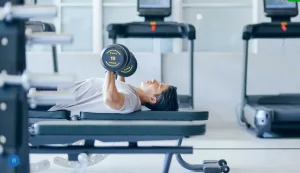
It would help if you did not practice exercises like throwing the ball or doing specific weight training in the gym, such as pull-downs or overhead presses when having sloped shoulders. These exercises can give you more stress and cause injury and pain in the injured or painful areas.
Q: Can sloped shoulders affect breathing or circulation?
Yes, sloped shoulders change the anatomy of your body and affect the function of breathing and blood circulation. With effective exercises, you can bring your body back to its original posture and feel such improvement in breathing and overall body function.
Q: Is it necessary to use special equipment to correct sloped shoulders?
A body scan machine can be the best way to measure the body’s posture, whether your shoulders are sloped, and to what extent. This in-depth study of your body posture will help find deep-rooted issues that give you a bad posture.
Conclusion
Map out a thorough exercise and physical posture alignment routine. This posture fixation will soon lead to a correctly balanced shoulder outlook. It will take some time to see the results, but you must be consistent.
Aim for steady progress rather than instant success. Keep measuring your body alignment using a scanner machine and see what changes you progress toward with time.