
With technological advancements, human bodies have experienced a significant change in postures, and the shift is from good to bad. An average human being spends more than 5 hours in a similar posture while at work or doing other hobbies. This and many other changes in life have made human beings live a sedentary lifestyle and hence have developed issues of poor posture. Using a proper full-body 3D scanner, physical therapists can analyze and check where the body has evolved a lousy posture that should be fixed. Here are the top signs you have a terrible posture affecting your daily life.
Table of Contents
1. Why Bad Posture Develops and Why It Matters for Your Health?
Many people still don’t think posture is one of the most essential aspects of improving your overall health. But it may be held accountable to a great extent when someone has chronic illnesses and also how your body feels on an everyday basis.
It isn’t something that can be ignored. When your muscles and bones are held in a certain way that they aren’t designed to be one, things will get entirely stained, and bones will be left uncushioned. Your spinal posture may also lead to more nerve damage as the nerves will be compressed, triggering hand or leg pain. Here are a few mistakes you might be making that have ruined your posture.
2. Common Signs of Bad Posture
(1) Rounded shoulders
Rolling the shoulders forward can soon start a chain of bad posture reactions. It can exaggerate the curves of your upper spine, pull your neck and head in an unhealthy curve or tilt, and even cause your pelvis to tuck in. It can limit how much the lungs can expand and decrease lung capacity. The longer you stay in these positions, it will become your habit. You should avoid mistakes and stick your belly or even chest out. Keep your focus on lengthening the spine, giving your body more height, and relaxing the shoulders to get them where they must be.(2) Forward head posture
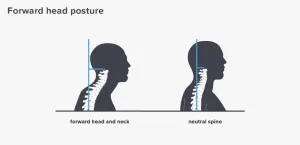
This posture is a sign of a bad state of your body, including putting the head in front of the shoulders and not maintaining a balanced position over them. This kind of posture may give you additional strain on the joints and neck muscles. This can result in headaches, stiffness, and neck pain. Using a body scanner fitness, you can assess where your body has developed a bad posture and needs fixing. More than this, it can also impact your breathing and spinal alignment. You can strengthen your neck muscles, stretch the upper back and chest muscles, and always be mindful to maintain ideal neck and head alignment.(3) Hunchback
The word refers to increased rounding of your upper back, which creates a hunched look. This posture may come from weaker upper back muscles or longer sitting durations without ideal alignment. A hunched-back posture might bring discomfort and pain in your neck, muscles, and upper back, leading to breathing issues.(4) Slouching
Slouching includes leaning ahead of your shoulders and upper back. Weak back and weak abdomen muscles, sitting for a long duration, or having poor ergonomics in your workstation may cause this posture. Slouching puts more pressure on your spinal discs, resulting in potential discomfort and pain in your shoulders, back, and neck. It can also limit your lung capacity and disturb digestion.(5) Anterior pelvic tilt
This often shows bad posture, including exaggerated forward tilting of your pelvis and an inward curve of your lower back. Many factors, including weak lower back muscles and hip flexors or an improper standing posture, may cause this issue of postural tilt. Anterior pelvic tilt may result in pain and discomfort in the hips and lower back when restricting hip movement.(6) Bent knees when standing or walking
You should maintain your posture when sitting, walking, and standing. You must not bend your knees often when you are standing or walking, and keep it in mind not to lose control of your body and not develop any postural issues. You can start by remembering that you must always have an ideal posture to let your body develop a habit of being in shape. Soon, you will have a naturally built posture. A body composition analyzer can give exact measurements of how your posture is badly affected and can be fixed.(7) Recurring headaches
A terrible posture can also result in recurring headaches. Poor special stature and a mainly forward head posture can easily strain the neck and joints, which leads to headaches. Also, bad posture may affect your breathing patterns and blood supply to the brain, contributing to migraines.(8) Muscle fatigue
A bad posture may cause tiredness and fatigue by putting some stress on muscles, leading to strain and, hence, fatigue. On the other hand, muscle fatigue may also contribute to poor posture as weak muscles may not support the body weight properly. Hence, addressing muscle fatigue using regular exercise, ergonomics, and stretching modifications may improve posture by promoting stronger muscles and keeping bad posture habits at bay.(9) Back & neck pain
The joints, muscles, and spine bones may experience heightened stress, resulting in back and neck pains due to poor posture. This includes hunching or slouching, disrupting the spine’s natural and perfect alignment, and forming tension on the back and neck muscles. This may also lead to stiffness and soreness in the body. Your back and neck muscles can be fixed back into normal shape by analyzing where they need fixing using a body fat calculator machine.(10)Potbelly
A potbelly can be a visible sign that your posture needs attention. By addressing the root causes of poor posture and incorporating corrective measures into your daily routine, you can improve your overall posture, strengthen your core, and reduce the likelihood of developing a protruding belly.3. How to Correct Posture?
(1) Awareness and Adjustment: Regularly check and adjust your posture throughout the day.
Keeping your body and posture in check is your first step to correcting it. You must ensure your body is not slouching or hunching at any part of the day. It would help if you made it a habit to fix your posture every 20 minutes so that you stay mindful of it and don’t sit in and posture for long durations.(2) Strengthen Core Muscles: Engage in exercises that strengthen the abdominal and back muscles.
Stronger muscles will help you stay in good posture easily. Regular stretching may help correct your lousy posture by making your muscles flexible and strong. Tight muscles disrupt body position, whereas weak muscles struggle to support the best posture. Stretching may relieve your body from muscle tension and also soreness. You can practice targeted strengthening exercises to help you keep the best posture.(3) Ergonomic Workspace: Set up your work area to promote good posture, such as using a supportive chair.
Refrain from letting your work be a reason for your bad posture. Optimize your workplace and remove anything that might be causing a bad posture for you. This includes adjusting the desk and chair height, positing the screens at the correct height, and using ergonomically correct chairs. These modifications will lessen the back, neck, and shoulder strain and help maintain ideal sitting alignment.(4) Maintain ideal posture in the workplace:
Maintaining good posture is essential in correcting bad posture. Start by aligning the chair and desk height along your body, ensuring your computer monitor is on your eye level, and maintaining a sitting position with your feet flat over the feet. Keep your back straight, your shoulders relaxed, and your arms near your body. Have a regular break to stretch, stand, and prevent hunching or slouching in your seat.(5) Keep switching your sitting position:
Sitting longer may cause muscle fatigue and even stiffness, leading to lousy sitting or standing posture. Switching between sitting straight, leaning back a bit, and sitting forward may help distribute this pressure on different parts of your body and will lessen the strain on any part of your body.4. Improve Your Overall Posture with Visbody
If you suffer from physical pains that won’t go away using the suggestions mentioned above, it is time to switch to Visbody products. This intelligent technology is a body scanner device that will give you a real-time detailed explanation of where your body is hunching and where its posture is terrible and needs fixing. You will get a high-tech experience in bringing out all the pain points of your body and explaining where you need to improve.
This will be your starting point of taking charge and changing your life to improve your posture. Visbody body composition and 3D body scanners are also widely used in commercial fitness and wellness fields. They have set up their technological advancements in different parts of the world in clinics, gyms, hotels, spas, and resorts all around the globe, and it is ideal for the user’s body composition, posture assessment, and physical changes after therapy or fitness.
You can start today from anywhere and get a tailored approach to building a healthier body and living your life as you want. Move around freely without any pain or chronic illness looming on your body.