Table of Contents
Introduction to Posture Assessment
- What is Posture Assessment and Why Is It Crucial for Health and Wellness?
Posture assessment refers to the evaluation of body alignment and positioning in various static and dynamic postures. Proper posture plays a critical role in preventing musculoskeletal problems and maintaining overall health. By assessing the alignment of body parts such as the ankles, knees, hips, shoulders, and spine, posture assessment helps ensure the body operates at its optimal efficiency, reducing the risk of strain and injury.
Good posture is essential for avoiding musculoskeletal disorders like joint pain, neck discomfort, and back problems. Prolonged poor posture can exacerbate these conditions, leading to chronic health issues. Regular posture assessments enable early detection of misalignments, allowing corrective measures to be implemented before the situation worsens.
Posture also directly impacts respiratory and internal organ functions. Maintaining an upright posture supports healthy lung expansion and optimal organ function, while poor posture can restrict breathing and negatively affect organ health.
- Traditional vs. Modern Posture Assessment Techniques
Posture assessment methods range from traditional manual techniques to cutting-edge technologies, offering varying levels of accuracy and insight into body alignment.
1. Visual Examination (Traditional Approach):
Healthcare professionals often perform visual inspections during posture assessments. By observing the alignment of the head, shoulders, spine, and other body parts, deviations from an optimal posture can be quickly identified. This manual method remains a foundational technique for posture evaluation.
2. 3D Body Scanning (Modern Approach):
Advanced posture assessments leverage 3D body scanning technology to generate detailed three-dimensional models of an individual’s body. This modern method offers precise measurements of body shape, alignment, and posture deviations. The comprehensive analysis provided by 3D scanning highlights areas of imbalance or misalignment that may not be noticeable through visual inspection alone.
- Why Choose Advanced Posture Assessment Techniques?
With the integration of innovative technologies like 3D body scanning, posture assessments have become more accurate, efficient, and accessible. These advancements enable individuals to take proactive steps in improving their posture, ultimately enhancing their overall health and quality of life.
Understanding the Importance of Good Posture
- Preventing Musculoskeletal Problems
- Enhancing Breathing and Circulation
- Supporting Digestive Health
Traditional Techniques for Posture Assessment
- Traditional posture assessment methods, such as visual analysis and manual palpation.
Traditional posture assessment relies on manual palpation and visual analysis, providing practitioners with foundational methods to evaluate a person’s alignment and identify deviations or abnormalities. These techniques are widely used by physiotherapists, chiropractors, and other healthcare professionals.
- Visual Analysis:
- Manual Palpation:
Why Incorporate a 3D Body Scanner Into Posture Assessment?
To give more precise and thorough assessments of body posture, sophisticated techniques and technology for posture evaluation have been developed. A 3D body scanner is one of the most important of these types of equipment. 3D body scanners generate a three-dimensional model of the human body using various technologies, (MUF technology–Automatic Mechanical Turntable measurement combined with depth-sensing 3D camera and the world’s leading AI vision and optical 3D reconstruction technology, to conduct a comprehensive non-invasive detection of the human body). Using these scanners, one may examine body position in great detail by capturing finely detailed surface characteristics.
A sophisticated method of assessing posture is provided by combining 3D body scanners and posture analysis software, which allows for focused interventions for better health and well-being and offers in-depth insights. Modern posture evaluation methods are useful for recognizing, analyzing, and resolving posture-related disorders because of their accuracy and precision. These technologies provide trustworthy data for various uses, including workplace ergonomics, therapeutic rehabilitation, and general health and wellness monitoring.
How Posture Assessment is Conducted
Conducting a posture assessment involves a detailed, step-by-step process designed to identify and analyze postural imbalances that may contribute to discomfort or musculoskeletal issues. Here’s a breakdown of how this evaluation is typically carried out:
Initial Consultation
The process begins with a discussion about the individual’s medical history, lifestyle, and any symptoms or concerns related to their posture. This conversation provides context for the assessment.
Visual Examination
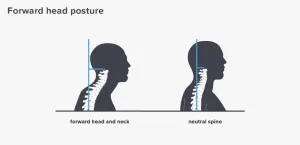
The practitioner visually inspects the client’s posture from the front, side, and back. They look for common postural deviations such as forward head posture, rounded shoulders, excessive lordosis (inward curvature of the lower back), or scoliosis (sideways curvature of the spine).
Physical Palpation
The examiner uses hands-on techniques to feel for muscular imbalances, areas of tightness, or tenderness which could indicate stress points or misalignments in the body’s structure.
Functional Movement Analysis
The client may be asked to perform specific movements or exercises. This allows the practitioner to observe how the body moves, identifying any restrictions, compensations, or asymmetries in muscle function.
Technological Assessment
In some cases, advanced tools such as posture analysis software, digital imaging, or force plates are used to provide a more detailed and objective measure of posture and biomechanics.
Assessment Findings and Plan Development
After gathering all necessary information, the practitioner evaluates the findings to pinpoint the root causes of postural imbalances. They then discuss these with the client and develop a personalized treatment plan. This plan may include recommendations for corrective exercises, lifestyle modifications, ergonomic adjustments, or further interventions like physiotherapy, chiropractic care, or massage therapy.
Follow-Up and Reassessment
Posture assessment is not a one-time process. Follow-up sessions are crucial to monitor progress and make adjustments to the treatment plan as needed, ensuring optimal outcomes in improving posture and overall health.
Why Incorporate a 3D Body Scanner Into Posture Assessment?
1. Enhanced Speed and Accuracy
A 3D body scanner completes scans within seconds, providing highly precise data on postural imbalances. This reduces reliance on subjective interpretation, ensuring consistent and objective results. The efficiency of this process makes it ideal for clinical settings or fitness facilities where quick and accurate assessments are essential.
2. Comprehensive Visual Feedback with 3D Models
The scanner generates detailed three-dimensional models, visually illustrating postural issues such as:
Spinal curvatures (e.g., scoliosis or lordosis)
Shoulder asymmetries
Hip misalignments
These visual aids empower both practitioners and clients to better understand postural deviations. This clarity enables the development of more targeted and personalized treatment plans.
3. Quantifiable Progress Tracking
3D body scanners provide measurable data over time, allowing practitioners to track improvements in posture with precision. For instance:
Visual comparisons of postural changes after corrective interventions
Quantitative metrics such as angle deviations or alignment improvements
This data supports adjustments to treatment plans, ensuring optimal progress while boosting client engagement.
4. Improved Engagement and Practicality
Clients gain a clearer understanding of their postural issues through visual models, motivating them to actively participate in their treatment plans. Practitioners also benefit from streamlined workflows, allowing them to focus on delivering personalized care instead of spending excessive time on subjective evaluations.
Identifying and Correcting Postural Imbalances
For general health and well-being, postural abnormalities must be detected and corrected. Numerous problems, such as musculoskeletal pain, reduced mobility, and an elevated risk of accidents, can be brought on by poor posture.
- Changes in Lifestyle:
- Avoid being careful of prolonged standing or sitting. Take regular breaks to stretch and move around. Include exercises that enhance posture and body awareness, such as Pilates or yoga, in your routine.
- Supports for Orthopaedics:
- Orthopaedic supports are essential for correcting postural imbalances, offering targeted relief and stability. Ergonomic seating and supportive footwear ensure proper body alignment, while custom orthotics and braces provide personalized support. Integrating these aids can significantly enhance posture and reduce musculoskeletal strain. Consult a healthcare professional to find the best options for your needs.
Benefits of Regular Posture Assessment
There are many advantages to routine posture examination for general health and well-being.
- Preventing the Development of Musculoskeletal Difficulties: By detecting and addressing any deviations from the ideal posture, routine posture assessment helps stop the emergence of musculoskeletal difficulties such as joint troubles, back discomfort, and neck pain.
- Better Body Alignment: People with posture evaluations are more conscious of their alignment. People can lessen the pressure on their muscles and joints by improving their total body alignment by correcting bad posture practices.
- Improved Circulation and Breathing: Good posture makes proper lung expansion and breathing possible. Additionally, it aids in maintaining healthy blood circulation, guaranteeing that nutrients and oxygen are effectively distributed to all body areas.
- Preventing Workplace Injuries: Regular posture evaluations in the workplace can aid in avoiding accidents brought on by inadequate ergonomics. Repetitive strain injuries and disorders like carpal tunnel syndrome can be prevented by recognising problems early on and taking appropriate action.
- Improved Presence and Confidence: Proper posture makes one appear more aggressive and confident. In addition to being better for one’s physical health, standing and sitting erect project competence and confidence in various social and professional contexts.
- Better Digestion and Organ Function: Good posture is essential for healthy organ function, which includes digestion. Poor posture and slouching can compress organs and prevent them from functioning properly, resulting in problems like dyspepsia. An upright posture enhances the efficiency of organ function.
It’s crucial to remember that every person has different needs, and speaking with medical professionals, physical therapists, or ergonomic experts can help you receive tailored recommendations for dealing with particular posture-related issues. Regular self-evaluation and the right interventions can support general and long-term musculoskeletal health.
Who Should Consider Posture Assessment
People with various occupations and lifestyles can benefit from posture evaluations.
- Office Employees:
Sedentary Lifestyle: People who work long hours at a desk are more likely to develop bad posture, which can result in problems including round shoulders, forward head position, and lower back pain. Frequent posture evaluations can aid in locating and resolving these problems, improving spinal alignment and lessening pain.
- Labourers:
Injury Prevention: People who work in physically demanding or manual labour occupations risk developing bad posture from heavy lifting and repetitive motions. By providing corrective methods and identifying areas of strain, posture exams can help lower the risk of work-related injuries.
- Athletes:
Performance Optimisation: By keeping good posture, athletes of all sports can improve their performance. Optimal strength, flexibility, and general athletic performance are enhanced by optimal biomechanics and proper body alignment. Reducing the chance of injuries can also involve identifying and addressing postural abnormalities.