
Table of Contents
1.The Importance of Posture in Health
Proper posture has numerous advantages for your general well-being, such as decreased back pain, more energy, and enhanced self-assurance. Public health depends on adequate posture to prevent weariness, soreness, tense muscles, and other common illnesses. It’s always possible to adjust or enhance your posture, particularly if it’s causing one or more health issues.
There are several health benefits to having proper posture, both physical and psychological.
- Diminished Back Pain
Bad posture is one of the main causes of low back discomfort, which affects over 25% of working people annually. Low back pain can result from prolonged slouching that puts undue strain on the muscles, ligaments, and discs in the spine. Maintaining proper posture, especially when seated, can significantly lower your chance of experiencing back pain.
- Mental Wellness:
- Confidence and Mood: Your mental state can be influenced by your posture. While slouched postures might add to emotions of pessimism and tiredness, upright and open postures are linked to enhanced confidence and a happy attitude.
- Decreased Stress: Stress can be exacerbated by chronic pain brought on by bad posture. Sustaining proper posture helps lessen physical strain on the body, which benefits mental health.
- Elevated Levels of Energy
Because bad posture distorts bones and joints and impairs blood circulation, making you feel exhausted and depleted of energy, there must be good blood circulation for oxygen and nutrients to enter your cells and be used as energy. Properly positioned bones and joints facilitate an ideal level of muscular functioning, which can help you feel less worn out and more energised.
2.What is Posture Assessment?
Posture assessment is a critical process for understanding the alignment and positioning of the body, offering insights into potential health concerns, pain, and musculoskeletal issues. At its core, posture assessment evaluates how the body holds itself in various positions, whether standing, sitting, or moving. This evaluation can reveal imbalances, misalignments, and tendencies that may contribute to discomfort or decreased functionality.
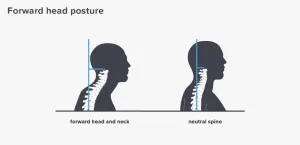
Traditionally, posture assessment has been conducted through visual examination by healthcare professionals. They would observe the patient from different angles, noting any deviations from what is considered optimal posture, such as forward head posture, rounded shoulders, or an uneven pelvis. This method relies heavily on the practitioner’s experience and expertise to identify potential issues based on visual cues.
However, with advancements in technology, more precise and objective methods have emerged. One of the most significant developments is the use of 3D body scanners. These devices create a detailed three-dimensional model of an individual’s body, allowing for an accurate analysis of posture. They measure body shape, and alignment, and provide a comprehensive view of the body’s posture, highlighting areas of imbalance or misalignment in a way that is not possible with the naked eye. This modern approach to posture assessment offers a more detailed, objective, and holistic view of an individual’s posture, paving the way for more targeted and effective treatment plans.
3.Identifying Common Postural Issues
People frequently have postural abnormalities, which, if left untreated, can result in pain, discomfort, and long-term health consequences. Slouching, hunching over, and unequal shoulders are typical postural issues. Let’s talk about these problems and their solutions:
- 3.1Shoulders Not Level:
- Reasons:
- One-sided heavy bag carrying: Shoulder asymmetry may result from an uneven weight distribution.
- An abnormal curvature of the spine that causes unequal shoulders is called scoliosis.
- Muscular imbalances: Shoulder alignment may be impacted by weak or tense muscles.
- Factors that contribute:
- Bad exercise habits: Muscle imbalances can result from consistent or correct training.
- Factors related to occupation: Repetitive motions in some professions or activities might alter shoulder alignment.
- Inappropriate use of backpacks: Improper adjustments or uneven backpack wear can aggravate shoulder issues.
- Reasons:
- 3.2Slouching:
- Reasons:
- Extended sitting periods, particularly when done incorrectly, can lead to slouching.
- Weak core muscles: Bad posture can result from insufficient strength in the muscles that support the spine.
- Lack of awareness: Many people slouch inadvertently because they are unaware of their posture.
- Factors that contribute:
- Sedentary lifestyle: Not moving around much might deteriorate muscles and cause bad posture.
- Erroneous ergonomics: Slouching can be exacerbated by ill-fitting workstations or furnishings.
- Muscular imbalances: Bad posture can be caused by uneven muscular growth or weakening in particular muscle groups.
- Reasons:
4.Linking Poor Posture to Health Concerns
An array of problems affecting different sections of the body can result from poor posture, which can have a major negative influence on one’s health. The following health problems are linked to bad posture:
- Diminished Lung Abilities:
Bad posture can compress the chest cavity and lessen the room for the lungs to expand, especially when slouched or slumped over. Reduced lung capacity and shallow breathing may result from this. It could eventually lead to respiratory problems and reduced oxygen intake, harming general health.
- Back discomfort:
Back discomfort is among the most prevalent health problems linked to bad posture. Improper spine alignment can result in heightened strain on the back muscles, ligaments, and discs. Chronic pain, discomfort, and even more dangerous problems like ruptured discs may arise from this over time.
- Muscle and Skeletal Conditions:
Musculoskeletal diseases might arise as a result of persistently bad posture. It covers disorders including scoliosis (sideways curvature of the spine), lordosis (swayback), and kyphosis (rounded upper back). Pain, stiffness, and restricted range of motion might be symptoms of several conditions.
5.Developing Effective Treatment Plans with Advanced Assessment Tools
The Visbody 3D Body Scanner revolutionizes the approach to developing effective treatment plans by providing precise measurements and a comprehensive examination of an individual’s three-dimensional body composition. Utilizing data from the Visbody 3D body scanner enables healthcare professionals to tailor treatment plans with unprecedented accuracy.
This advanced assessment tool captures detailed information about the body’s structure, identifying postural imbalances, asymmetries, and areas of muscular weakness or tightness that may not be apparent through traditional assessment methods. The scanner’s ability to generate a precise 3D model of the body allows for a more nuanced understanding of the individual’s unique physiological characteristics.
Armed with this detailed information, practitioners can design personalized rehabilitation or fitness programs that address specific issues highlighted by the scan. For example, if the scanner reveals a pronounced imbalance in the distribution of muscle mass between the left and right sides of the body, targeted exercises can be prescribed to restore symmetry and balance. Similarly, if the scan identifies areas of excessive fat accumulation, nutrition and exercise interventions can be customized to target those concerns.
The Visbody 3D Body Scanner not only aids in the accurate diagnosis of potential health and posture problems but also enhances the ability to monitor progress over time. By comparing scans taken at different points in the treatment or fitness journey, both practitioners and clients can visually track improvements, making adjustments to the treatment plan as necessary to achieve optimal results. This level of precision and customization in developing treatment plans signifies a leap forward in personalized healthcare and wellness optimization.
6.Lifestyle Changes for Better Posture
- Posture can be changed by spending extended periods crouched over. Long periods of sitting at work can weaken, stiffen, or unbalance your muscles and joints, leading to bad posture and back pain.
- To do this, you must sit with your hips touching the back of the seat and maintain your feet on the ground. Stack your head and shoulders over your hips and bend your legs to a 90-degree angle. Investing in suitable back support also helps; it maintains the natural inward curvature of the lower back by bridging the space between your lower back and the seat.
- Make sure your bed is firm to medium-firm. Soft bedding can change how your spine curves and doesn’t support your body weight well. Always use a pillow to hold your head higher than the rest of your body to ensure optimal blood circulation.
- Keep your seat backrest erect when driving and refrain from reclining it to maintain good posture. As much as you can, sit up straight so that your head is over your hips. However, it may feel cosy, and slouching strains your spine.
- Walking with good posture is almost the same as standing with proper posture. Just keep in mind that when you walk, leaning forward or backward strains your back muscles. Maintain a forward-facing gaze and a chin that is parallel to the ground. To avoid slouching or leaning, keep your shoulders back, your stomach slightly tense, and your posture relaxed.
- Our upper spine’s curvature is negatively altered by staring down at our phones. Texting while stooped increases strain on the cervical spine over time and may cause early disc degeneration. Additionally, it may result in a 30% reduction in breathing capacity in your lungs.
7.Conclusion: Embracing a Holistic Approach to Posture Correction
Adopting a holistic approach to posture correction entails caring for your general health, well-being, and habits. Many factors, including mental, physical, and environmental, can affect posture. Posture examination is essential to promote general well-being and comprehend and treat musculoskeletal health. Maintaining good posture helps the body’s structures work as well as they can, preventing strain and lowering the chance of developing several health problems.
Special equipment and a large time commitment are optional for posture assessment. It is easily incorporated into everyday activities, whether walking, standing, or sitting at a desk. Modest changes to daily routines can have a significant effect on posture and, in turn, overall health. Integrating these comprehensive methods into your everyday routine may tackle the underlying reasons behind bad posture and enhance your general health. Recall that a holistic approach calls for long-term decision-making regarding your physical and mental well-being.
To sum up, Evaluating one’s posture is essential for preserving musculoskeletal health, avoiding pain, and enhancing general well-being. Corrective actions can improve someone’s health and quality of life in a good and long-lasting way. These actions range from small lifestyle changes to focused workout regimens. Maintaining good posture is important for long-term physical health and may improve mental and emotional wellness. Posture evaluation is an important and practical technique people can use to further their journey towards health and wellness. People who are conscious of their mannerisms can proactively address such problems and live healthier, more self-assured, and more energetic lives.