
According to healthcare experts, approximately 20 to 70% of the population experience neck pain, and the numbers will increase exponentially over the next few years.
The stats are shocking, as long-term neck pain can disrupt the quality of life, affecting every individual across the globe. It can restrict you from doing everyday tasks like being productive at work or sitting at a family gathering.
This raises an important question: What causes neck pain, and how never to have it again? Let’s find out the answer in detail below.
Table of Contents
Causes of Neck Pain
Neck pain can result from multiple factors and range from mild to severe discomfort, surrounded by headache. You will often experience strain around the neck while sleeping, standing, or doing regular work. Usually, it is observed in office workers or people who spend long hours on computer screens, hunching their necks. Here are some of the primary causes of neck pain:
Poor Posture
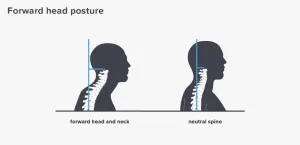
Out of a thousand other reasons, the most common cause of neck pain is poor posture. It can put pressure on your spine, eventually weakening your back tissues, and you feel pain in the neck region. Poor posture can cause severe health complications, including spinal dysfunction or joint degradation. It also increases mechanical stress on the lower back and pushes you one step closer to the deathbed. Besides, here are some drastic effects of poor posture:
- It can slowly deform your natural spine curvature, increasing the risk of serious injuries.
- It puts pressure on your neck muscles, resulting in severe neck pain and headache.
- You feel pain in your vital body parts, such as your lower back, neck, and shoulders.
Remember the last time you visited a healthcare professional, and he advised you to ‘’sit straight’’ or ‘’stop bending’’. That’s what you have to do when fighting with neck pain. Maintaining a good posture is the secret to a well-aligned body that alternatively improves your life quality.
Sports and Traumatic Injuries
Neck pain issues are highly common in athletes, with over 8 to 45% of them suffering from neck pain annually. Sports professionals and players perform high-intensity workouts and strength training exercises, which lead to increased stress on neck muscles. This increases the risk of traumatic injuries, especially among football or rugby players.
Whatever the type of traumatic injury, it can damage the muscles and tendons in your lower back or spine, leaving you with severe neck pain. For instance, Whiplash during car accidents causes drastic head injuries that get worse with time and lead to neck pain.
Degenerative Diseases
Besides poor posture and sports injuries, you can also inherit neck pain in the form of some degenerative diseases. Disorders such as arthritis can cause pain and stiffness in the neck, along with other health complications. Enlisted below are some degenerative diseases causing neck pain:
Rheumatoid Arthritis
One of the most prevalent genetic diseases is arthritis, affecting over 85% of the older population. It is caused by gradual wear and tear of the spinal disc and can result in stiffness or swelling around the neck. Rheumatoid arthritis affects the cervical spine, causing neck inflammation or instability.
- Osteoarthritis
Another common degenerative disease causing severe neck pain is osteoarthritis or cervical spondylosis. It affects the spinal joints of the neck, causing the breakdown of the joint tissues over time. Its more drastic effect is on the intervertebral disc, which acts as a shock absorber. Due to increasing strain on the vertebrae, the disc may weaken and gradually break down with age. As a result, you feel stiffness around the neck region.
Cervical Degenerative Disc Disease
CDDD, or Cervical Degenerative Disc Disease, is also a leading cause of neck pain, mostly involved with an upright position. It narrows the space between vertebrae, affecting the cushioning of the spinal disc of the neck. A degeneration of the spinal disc leads to discomfort and severe neck pain.
Other Factors
The causes of neck pain do not end here. You’ll find an unending list of causative factors, including physiological, psychological, or musculoskeletal disorders. For instance, a stressed work environment can push closer toward painful neck problems. Similarly, physical strain from repetitive activities such as playing sports can weaken your muscles, affect your spine’s alignment, and lead to severe neck pain.
Common Symptoms of Neck Pain
Now that you know the factors causing neck pain, you might be excited to learn the signs of this painful disorder. Generally, neck pain can show mild to severe symptoms within the first few days of injury or might go unnoticed for a while. It can radiate anytime, like a stabbing pain that travels all the way to your shoulders and back. Following are some common symptoms of neck pain:
- Severe pain or discomfort during everyday tasks such as driving or working
- Stiffness around the neck and shoulders
- Limited range of motion causing difficulty walking or sleeping
- Struggling to move the head
- Headache combined with a slight fever
- Muscle spasms or tightness
- Dizziness or facial pain
- Feeling numbness or tingling
- A disturbed or unbalanced posture
Physiotherapist Treatment for Neck Pain
Understanding the causes of neck pain is a simple step; knowing how to treat it is the real struggle. Healthcare experts such as physiotherapists use various treatment methods to alleviate this pain and reduce the discomfort. Enlisted below are some practical approaches taken by therapists to get their patients out of stabbing neck pain:
- Understanding the Pain
Before applying any treatment strategy, physiotherapists carefully evaluate the type and severity of the pain. This helps them better understand the person’s body condition and what specific factor caused neck pain in that individual.
For instance, an office worker might get neck issues due to prolonged exposure to computer screens or bending on a work desk for long hours. Knowing the leading cause will help therapists educate and inform the patient more broadly and precisely. Then, he can carry on with the treatment step.
Using Visbody Posture Analysis
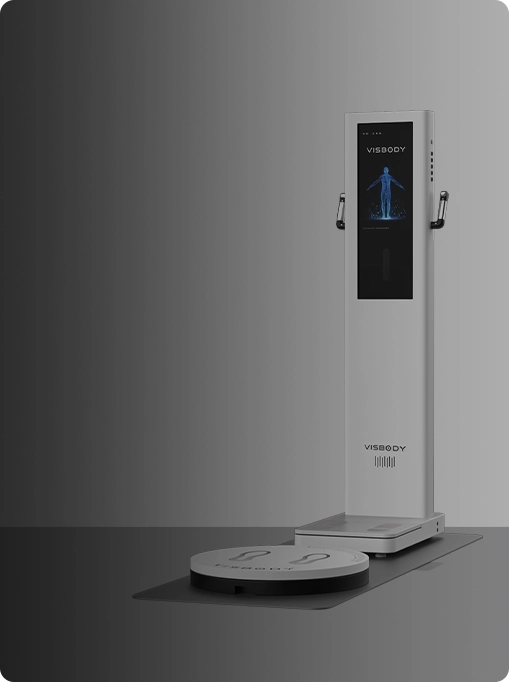
Once a physiotherapist understands the pain and causative agent of that discomfort, he is better positioned to perform an analysis. Therapists use the latest technological tools, such as the Visbody 3D body scanner. It is an innovative scanner machine that performs detailed posture evaluation so you can identify the posture issue causing neck pain. Here’s how this 3D body analyzer works:
- It performs an instant scan of the patient’s body.
- The machine assesses different posture evaluations, including forward head posture and head tilt.
- The therapists can see the posture alignment value, risk warning, and evaluation conclusion.
- You can devise a tailored treatment plan for each client from the data reports.

- Manual Therapy
Once the evaluation is completed, the physiotherapist will perform therapy sessions to reduce pain associated with neck stiffness. It can include techniques like mobilization and remedial massage. Generally, three to five sessions of hands-on therapy can improve your range of motion and get you back to the recovery phase.
- Exercises Tracking
The next important treatment step involves tailored exercises to reduce neck pain. Strengthening exercises are ultimately the best way to get postural realignment. These strengthen your weak core muscles and reduce excess strain on the discs or joints. Exercises like chin tucks and trapezius stretches are highly effective in stretching muscles and improving body balance.
Using Visbody Data to Tracking Progress
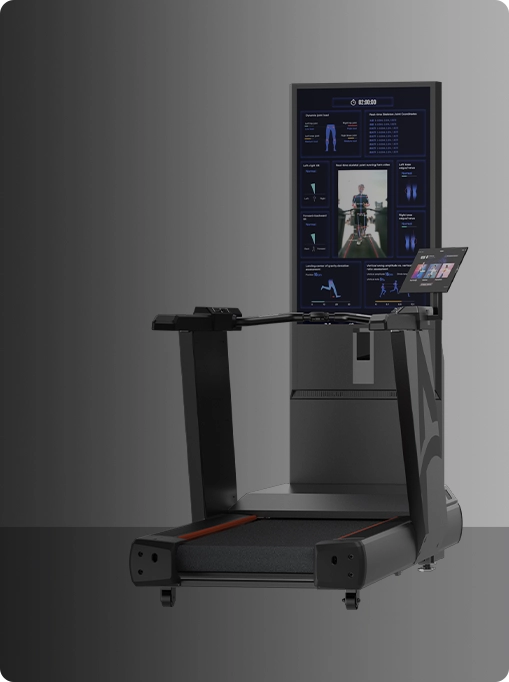
When tracking exercises, the Visbody Scanner Machine provides a precise way to monitor your body changes. With the help of its posture analysis data reports, you can target specific imbalances and work on areas of improvement. It shows the complete body composition reports to continue your workout and reduce that stabbing neck pain.
- Physical Activity
Another way physiotherapists help in the treatment process is by guiding you through physical activities. He will motivate you to try different exercises, such as combining low-intensity workouts with strength-training exercise sessions.
For instance, you can perform Yoga or Pilates with core muscle-strengthening activities. Similarly, low-impact physical tasks such as swimming or cycling can help reduce neck pain and increase mobility.
- Home Care
Finally, the physiotherapist can help you battle neck pain not only at the clinic but at home as well. He will give the much-needed home care tips for instant relief from acute neck pain. Home treatment methods such as heat or cold therapy can offer immediate protection and reduce the risk of further injury. Moreover, adequate rest can also help relieve stiffness of the neck.

Wrapping Up: Preventing Neck Pain Tips
To summarize, neck pain is a highly prevalent disorder that can significantly disrupt your quality of life. With the right treatment methods and practical strategies, you can avoid this pain issue and get back to normal living. Some last-minute practical neck pain tips include adjusting your work environment, correcting posture, taking frequent breaks at work, sleeping in a good position, and driving with an upright posture. All of this will help you fight against severe neck pain and take you back to the recovery phase.