
Table of Contents
Introduction
Waist circumference is not only a numerical value on a measuring device; it is a crucial marker of your well-being, especially in relation to abdominal adiposity. This straightforward metric has the capacity to provide valuable insights on the possible hazards associated with chronic ailments, including diabetes, cardiovascular disease, and specific types of cancer. In a rapidly evolving environment that prioritises health awareness, comprehending and tracking this metric might be important for proactive health measures.
It is crucial to acknowledge that waist circumference serves as an indicator of visceral fat, which refers to the fat that envelops internal organs and presents more significant health hazards compared to fat located in other areas of the body. This characteristic renders it a noteworthy prognosticator of health concerns and a primary area of emphasis for management.
Why is Your Waist Size Important?
The measurement of one’s waist circumference may provide insights on one’s overall health that surpass first expectations. It’s not only about looks or clothing size; it’s about your inside health. Abdominal adiposity is a significant risk factor for cardiovascular complications, diabetes, and specific forms of malignancy, including colorectal and breast cancer.
Visceral fat exhibits a high level of metabolic activity, since it releases inflammatory markers and hormones that have the potential to impact overall systemic health. Hence, monitoring one’s waist circumference offers a more comprehensive understanding of one’s overall health condition compared to only considering total body weight.
It serves as a direct predictor of an individual’s susceptibility to metabolic syndrome, a collection of ailments encompassing elevated blood pressure, hyperglycemia, abdominal adiposity, and atypical cholesterol levels, all of which augment the likelihood of developing cardiovascular disease.
What is a Healthy Waist Size?
The measurement of a healthy waist size holds significance as it serves as an indicator of the extent of visceral fat, a factor that is closely linked to many health hazards. The recommendations for maintaining a healthy waist size exhibit variations based on gender and ethnicity, which can be attributed to the distinct distributions of body fat.
– In general, it is deemed safe for males to have a waist circumference that is below 40 inches (102 cm).
– The recommended safe measurement for women is less than 35 inches (88 cm).
Nevertheless, it is important to note that these guidelines are not exhaustive and may vary depending on ethnic backgrounds due to the diverse predispositions to belly obesity and its related dangers across different people. Individuals of Asian origin may face increased health risks when they have lower waist circumferences because they are more likely to accumulate visceral fat.
These measures are essential criteria for evaluating the likelihood of developing diabetes and cardiac diseases, emphasising the need of adhering to these boundaries to preserve good health. In clinical practice and personal health monitoring, the use of waist circumference measurements plays a crucial role in the timely identification of risk factors, facilitating prompt and efficient action.
Waist Circumference as an Indicator of Health Problems:
- Type 2 Diabetes: Abdominal fat is significantly linked to insulin resistance, where the body’s cells struggle to respond to insulin properly. This impedes glucose absorption, often preceding the onset of type 2 diabetes. Those with higher abdominal fat are at greater risk, as this type of fat disrupts normal insulin function. Research by Kahn et al. (2019) underscores the strong connection between abdominal fat and insulin resistance, highlighting the importance of monitoring waist circumference for early intervention.
- Heart Disease: Central obesity, characterized by excessive belly fat, is more closely associated with heart disease than general obesity. This fat type releases molecules that can raise blood pressure, increase triglycerides, and lower HDL cholesterol, all factors that increase the risk of heart disease. Additionally, it secretes inflammatory signals that contribute to arterial plaque formation, a precursor to atherosclerosis. Studies by Després and Lemieux (2006) suggest that waist circumference is a more accurate predictor of heart attacks than BMI, particularly in women.
- Metabolic Syndrome: This cluster of conditions, including high blood pressure, high blood sugar, and abnormal cholesterol levels, significantly increases the risk of cardiovascular disease, stroke, and type 2 diabetes. An enlarged waist circumference is a primary criterion for diagnosing metabolic syndrome, indicating a disrupted metabolic profile and substantially increasing the likelihood of cardiovascular events.
- Increased Inflammatory Markers: Central obesity correlates with high levels of inflammatory markers, a key diagnostic criterion for metabolic syndrome. According to Alberti et al. (2009), the presence of abdominal visceral fat generates inflammatory compounds that can lead to chronic inflammation, a critical factor in atherosclerosis. This inflammation impacts arterial function, contributing to heart failure, arrhythmias, and other cardiovascular disorders.
Measuring waist circumference provides crucial insight into the amount of visceral fat, a significant driver of metabolic and cardiovascular conditions. This simple yet effective metric plays a vital role in personal health monitoring and preventive health behavior.
Leveraging Visbody for Comprehensive Health Risk Analysis
Harnessing the Power of Combined Analysis
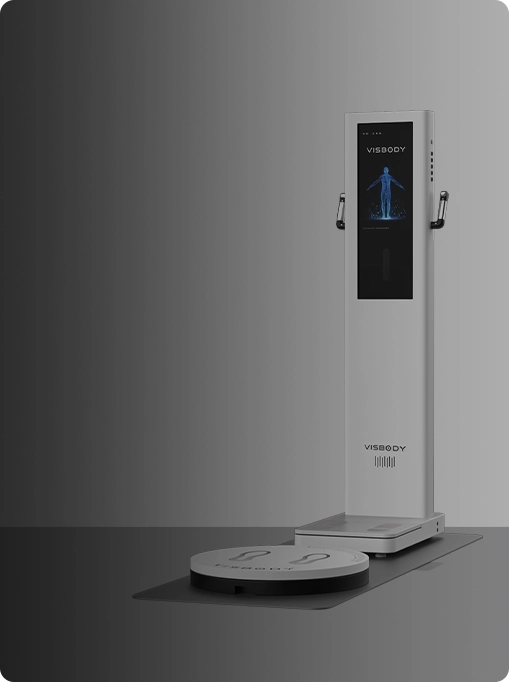
The Visbody system utilises advanced technology to combine body composition analysis with accurate measures of body circumference. The utilisation of this dual methodology facilitates a holistic perspective on health concerns, hence providing a more precise and thorough evaluation compared to conventional techniques like BMI computations or conventional fat callipers.
Through the integration of these two forms of data, Visbody offers a comprehensive comprehension of an individual’s health, with a specific emphasis on variables that exhibit a direct association with chronic ailments and general state of wellness.
- 14 Core Body Composition Analysis: Visbody’s innovative technologies are capable of analysing many fundamental components of body composition. Metrics such as muscle mass and fat proportion are encompassed within this category. The aforementioned measurements offer significant insights into an individual’s state of health.
For instance, a greater amount of muscle mass might serve as an indicator of improved metabolic health, but a high proportion of fat may imply an elevated susceptibility to illnesses such as metabolic syndrome or cardiovascular disease.
- 13 Automatic Measurements of Body Circumference: Visbody’s technology automatically records thirteen distinct body circumferences, going beyond basic waist measurements. The measures encompass many anatomical regions, namely the neck, chest, hips, thighs, and arms.
The aforementioned metrics play a pivotal role in comprehending the holistic body morphology and determining distinct risk profiles associated with the distribution of adipose tissue. An example of a recognised risk factor for cardiovascular and metabolic illnesses is an imbalanced waist-to-hip ratio.
Discover Our Solutions

Conclusion
Actionable Tips
- Regularly Monitor Your Waist Circumference: Employ a standardised tape measure and adhere to the prescribed criteria in order to precisely measure your waist circumference. To obtain more accurate measures and a thorough examination, it is advisable to utilise a professional service such as Visbody.
- Balance Diet: To effectively control weight and decrease belly fat, it is recommended to adopt a balanced diet that is abundant in whole foods. Gaining insight into your body composition can inform dietary decisions that promote muscle growth and reduce the formation of harmful fat.
- Frequent Physical Exercise: Maintaining a healthy body composition necessitates engaging in regular physical exercise. Engaging in activities that promote muscle growth and decrease adiposity lead to a more optimal waist circumference and decrease the likelihood of developing chronic illnesses.
- Seek guidance from healthcare professionals: Regular medical examinations and conversations on waist size and its consequences can assist in customising individual health approaches. The use of Visbody’s comprehensive reports may furnish healthcare practitioners with the requisite information to deliver targeted guidance and actions.
Visbody’s cutting-edge technologies and extensive global presence are revolutionising our comprehension and control of health, exerting a substantial influence on wellness sectors around the globe. Visbody enhances comprehension of health hazards and promotes the development of focused and successful health programmes by combining comprehensive body composition data with accurate circumference measures.
References
Alberti, K. G., Eckel, R. H., Grundy, S. M., Zimmet, P. Z., Cleeman, J. I., Donato, K. A., … & Smith Jr, S. C. (2009). Harmonizing the metabolic syndrome: a joint interim statement of the International Diabetes Federation Task Force on Epidemiology and Prevention; National Heart, Lung, and Blood Institute; American Heart Association; World Heart Federation; International Atherosclerosis Society; and International Association for the Study of Obesity. Circulation, 120(16), 1640-1645.
American Heart Association. (2019, March 19). Waist size predicts heart attacks better than BMI, especially in women. https://www.heart.org/en/news/2019/03/19/waist-size-predicts-heart-attacks-better-than-bmi-especially-in-women
Ashwell, M., Gibson, S., & Waist-to-Height Ratio. (2012). Waist-to-height ratio is a better screening tool than waist circumference and BMI for adult cardiometabolic risk factors: Systematic review and meta-analysis. BMC Public Health, 12, 631. https://bmcpublichealth.biomedcentral.com/articles/10.1186/1471-2458-12-631
Després, J. P., & Lemieux, I. (2006). Abdominal obesity and metabolic syndrome. Nature, 444(7121), 881-887.
Diabetes UK. (2019). Waist measurement.
Kahn, S. E., Hull, R. L., & Utzschneider, K. M. (2006). Mechanisms linking obesity to insulin resistance and type 2 diabetes. Nature, 444(7121), 840-846.
Scutti, S. (2020, January 20). Belly fat may signal early heart issues, especially in women. CNN. https://www.cnn.com/2020/01/20/health/belly-fat-heart-attacks-wellness/index.html
Verywell Health. (2023). Waist circumference and diabetes.
Yusuf, S., Hawken, S., Ounpuu, S., Bautista, L., Franzosi, M. G., Commerford, P., … & Liu, L. (2005). Obesity and the risk of myocardial infarction in 27,000 participants from 52 countries: A case-control study. Diabetes Care, 30(6), 1647-1649.