
Do you know the best and most comprehensive method to assess or evaluate the composition of the human body? It’s the body segmental analysis.
Segmental analysis is nothing but breaking down the major body parts into different segments to evaluate the health status of individual components. By dividing the body into compartments, you can get valuable information about the core muscle mass and fat percentage.
However, segmental analysis is beyond just a body balance measurement technique. It employs various technological procedures to perform health checks efficiently. Let’s delve deeper to understand the concept behind this advanced body composition method.
Table of Contents
How Segmental Analysis Works: Understanding the Technology
Whether you’re a fitness enthusiast or an athlete striving to improve your body composition, you need to perform a segmental analysis to understand your body. This evaluation method uses advanced technology such as bioelectrical impedance analysis (BIA) and dual-energy X-ray absorptiometry (DEXA) for an in-depth assessment. For additional measurement of total body fat percentage and muscle mass, it divides the body into the following five key areas:
- Torso
- Left arm
- Right arm
- Left leg
- Right leg
After profoundly studying each part of your body, it identifies the areas that need improvement or target cells based on their health status. For instance, if the percentage of body fat is lower in your legs, you can identify the potential areas and work to maintain a healthy fat level in your leg region. Similarly, you can check the percentage of muscle mass in arms or other specific body regions.
Technologies Used in Segmental Body Analysis
1. Bioelectrical Impedance Analysis (BIA)
Bioelectrical impedance analysis (BIA) is used as an effective assessment method to evaluate body fitness thoroughly. It sends electrical signals to your body. These signals travel in every part of the body to measure muscle mass, fat distribution, and hydration levels all at once. Overall, BIA uses a mechanism of resistance and reactance in which different body components have different reactivities. Enlisted below are the key factors evaluated in this analysis method:
- Body cell mass
- Fat mass
- Extracellular tissue
- Fat-free mass
Compared to traditional evaluation methods, bioelectrical impedance analysis is a highly reliable and more acceptable method of measuring body composition. It provides the highest and lowest readings of different body compartments, including the muscle mass and fat ratio. This way, it helps measure different parameters of the human body plus the volume of non-fat substances.
2. DEXA Scans
Benefits of Body Segmental Analysis
1. Understanding Movement Patterns
2. Injury Prevention
3. Rehabilitation
Using the segmental lean analysis method, you can quickly assess the functional mobility risk in an individual. It also targets which areas of your body have low lean or muscle mass. This helps in rehabilitation and reduces the risk of injuries.
In physical therapy, body segmental analysis assesses movement impairments and tracks progress during rehabilitation. By analyzing specific segments of the body, therapists can identify areas of weakness or dysfunction and develop targeted treatment plans to restore normal movement patterns and function.
4. Biomechanical Research
5. Ergonomics
6. Performance Optimization
7. Customization
Using Visbody S30 Body Composition Analyzer for Detailed Body Assessment
At this point, you’ve completely acknowledged how body segmental analysis can help in the body assessment. But you might wonder what the best method to perform this analysis is. Although there are traditional methods like BIA or DEXA scan, they have their limitations.
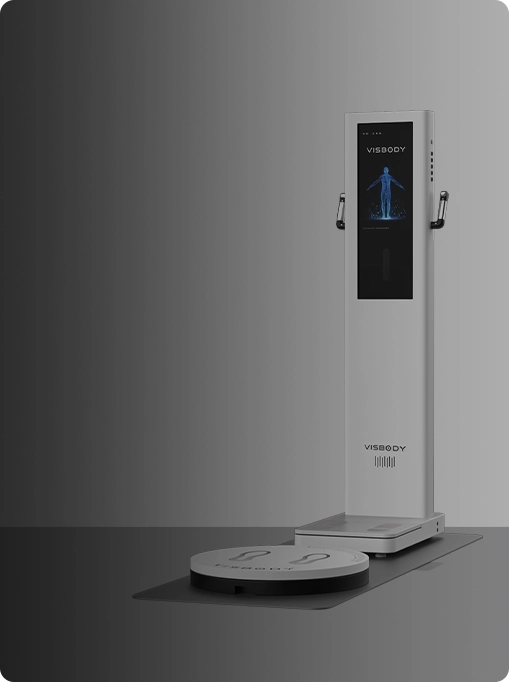
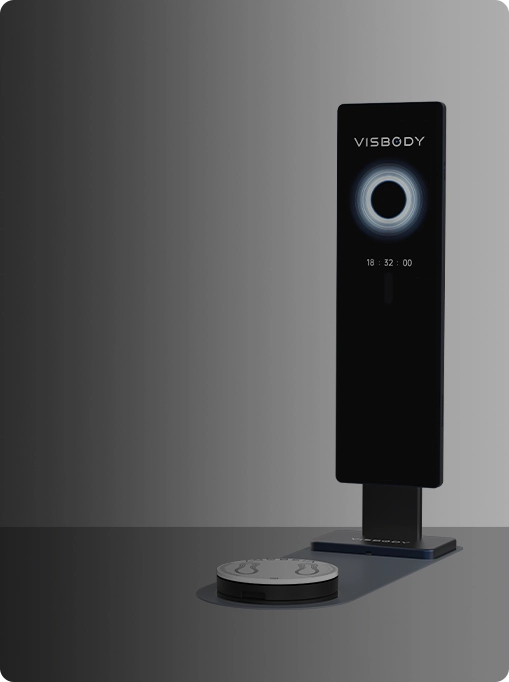
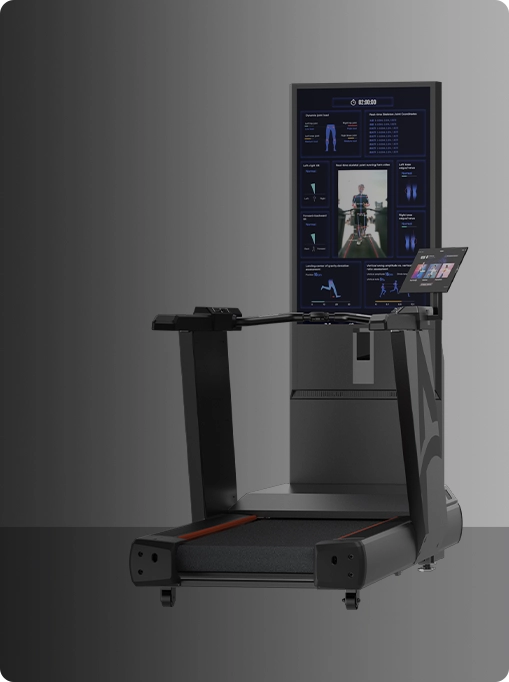
With the advancements in technology, new and innovative scanning methods have been introduced. One of them is the Visbody S30 body composition analyzer. It is an advanced scanning machine that uses high-grade technology to generate a complete three-dimensional body model of any person. The best thing is that the Visbody body scan machine only takes 32 seconds to create high-precise 3D real models. Isn’t it surprising? Let’’s have a quick look at its other unique capabilities in body composition assessment:
1. Posture Evaluation
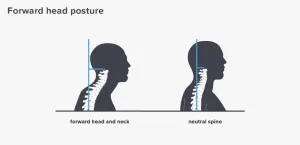
To understand the body condition of an athlete, the first step is to evaluate his physical strength or muscle power. Therefore, the Visbody scanner machine helps provide insights by analyzing body posture. It takes a 360-degree view of an athlete’s body to assess his static and dynamic postures. You can easily access the Forward Head Posture, Head Tilt, Rounded shoulder posture, and pelvic tilt.
2. Body Composition Analysis
By integrating BIA technology, the Visbody full-body S30 scanner generates a precise model of an athlete to measure his core body composition. As you all know, our body comprises water, inorganic salts, fats, and other components. Thus, this scanner analyzes each body compartment in a detailed 3D view to assess any imbalances or disorders.
How Does Visbody S30 Perform Body Analysis?
Visbody performs 15 core body composition measurements to ensure the athlete gets in his best form. The analysis involves checking body components’ net and standard values, such as muscle mass and body fat. Depending on the imbalance, a report is generated, and a treatment plan is suggested to improve physical health. Following are the key body metrics that are assessed when performing body composition analysis:
- Weight
- Lean Body Mass
- Muscle Mass
- Body Water
- Inorganic Salts
- Protein
- Body Fat Mass
- Skeletal Muscle Mass
Using cutting-edge technology, it can create your avatar and compare it with others to generate reports and determine body composition. Moreover, measuring the Left Upper Arm, Right Upper Arm, Chest, Waist, and Hip circumference helps in complete segmental analysis.