
Indholdsfortegnelse
Introduktion
At opnå den indviklede ligevægt med at reducere fedtvæv og samtidig bevare skeletmuskelmasse er et udbredt mål blandt individer, der brænder for fysisk træning og dem, der sigter på at forbedre deres generelle velvære og fysiske præsentation. Denne opgave kræver omhyggelig og detaljeret forberedelse, stram gennemførelse, og løbende supervision.
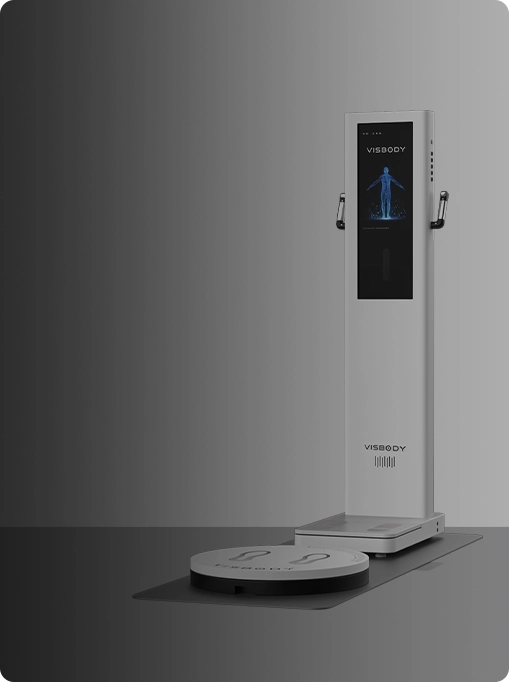
Anvendelse af avanceret teknologi, såsom 3D kropsscannere og kropssammensætningsanalysatorer, har potentialet til i høj grad at forbedre nøjagtigheden af kropsfedt- og muskelmassemålinger. Disse avancerede instrumenter gør det lettere for enkeltpersoner at overvåge deres udvikling med en høj grad af præcision, offering crucial data that aids in the optimisation of their workout regimens and food strategies. By integrating cutting-edge technology into the training regimen, not only is the assessment process enhanced, but individuals are also provided with more efficient guidance during their fitness endeavours. These devices offer comprehensive analysis of changes in body composition over time, enabling accurate modifications to both nutrition and activity. This ensures that the efforts made to lose fat do not unintentionally result in muscle loss. This scientific methodology facilitates the sustained attainment of fitness objectives, rendering the journey towards health metamorphosis more transparent and achievable for all parties concerned.
7 Strategier til at holde din muskelmasse, mens du skærer i fedt
- Caloric Deficit & Protein Focus
Initiating a caloric deficit is an essential first measure in achieving fat loss, imidlertid, it is crucial to maintain a balance in order to avoid muscle atrophy. Studies indicate that a little decrease in daily calorie intake, coupled with an increase in protein consumption, can effectively safeguard muscle integrity while losing weight. Muscle repair and development are facilitated by protein through the stimulation of muscle protein synthesis and the reduction of breakdown, even in situations when there is a deficit in calorie intake.
For best muscle retention during fat loss phases, clinical studies suggest consuming 1.6 til 2.2 grammes of protein per kilogramme of body weight (Helms, Aragon, & Fitschen, 2014). Det Visbody 3D kropsscanner facilitates accurate assessment of body composition, allowing individuals to dynamically tailor their dietary choices according to their individual requirements.
- Balanced Training Approach
An amalgamation of resistance training and aerobic workouts is necessary. Styrketræning, namely through the use of compound exercises such as squats, Deadlifts, and bench presses, effectively engages various muscle groups, hence facilitating the preservation and development of muscular mass.
Simultaneously, research has demonstrated that high-intensity interval training (HIIT) is an efficient method for fat burning and improving cardiovascular health, without the negative consequences of muscle loss often associated with extended cardio sessions. The effectiveness of combining high-intensity interval training (HIIT) with strength training in promoting fat loss while maintaining lean muscle mass has been emphasised in many studies (Smith-Ryan & Trexler, 2014).
- Prioritize Recovery
Muscle preservation relies heavily on the process of recovery. The significance of sufficient sleep, proper hydration, and muscle healing methods, such as stretching and foam rolling, in augmenting muscle regeneration and growth is underscored by scientific research. These techniques aid in diminishing muscle pain and averting damage, so enabling more uniform training.
Adequate hydration is crucial as it facilitates cellular processes and enhances the overall mechanisms involved in muscle regeneration. Advanced technologies such as Visbody’s body scanners can be used to monitor recovery by evaluating alterations in muscle condition and identifying recovery requirements (Schoenfeld & Contreras, 2016).
- Nutritional Balance
A diet that is abundant in nutrients, including healthy fats and a diverse range of vegetables, is crucial for obtaining vital vitamins and minerals that contribute to metabolic well-being, energiniveauer, and the reduction of body fat. Fats have a crucial role in maintaining hormone homeostasis, particularly in relation to hormones that are essential for muscle maintenance.
Clinical experiments have demonstrated that omega-3 fatty acids can assist in the synthesis of muscle protein and perhaps alleviate muscular soreness after exercise (Smith, Fukuda, Kendall, & Stout, 2011). Continuous monitoring using equipment such as the Visbody kropsfedtanalysator enables the ongoing evaluation of the diet’s influence on body composition, enabling prompt modifications.
- Progress Monitoring
The application of advanced analytical tools, såsom Visbody-S 30, can have a significant influence on the administration of a fat reduction regimen. These technological instruments offer comprehensive analysis of body fat percentage and muscle mass, empowering individuals to make well-informed choices regarding their fitness approaches by relying on scientific evidence.
This objective evaluation aids in maintaining a concentration on attaining a well-balanced decrease in adipose tissue while safeguarding muscle mass, regularly modified according to progress data (Norton & Wilson, 2009).
- Professionel vejledning
The involvement of nutritionists and fitness specialists may greatly enhance the effectiveness of a fat reduction regimen. Tailored recommendations that take into account an individual’s body composition, levevis, and objectives have the potential to optimise dietary and exercise efficacy, with a specific emphasis on fat reduction while simultaneously preserving muscular strength and mass. Professionals may utilise instruments such as the Visbody scanner to thoroughly examine body composition and offer customised suggestions, guaranteeing the continued effectiveness and durability of the workout regimen (Cermak, Res, & van Loon, 2012).
- Hydrering
Proper hydration is crucial for both recuperation and the efficient functioning of metabolic processes, as well as the facilitation of physiological functions such as thermoregulation and nutrient transportation. Adequate hydration is crucial for sustaining optimal performance during physical exercise and for post-exercise recuperation.
According to Popkin, D’Anci, and Rosenberg (2010), 3D body scanners provide comprehensive information on the distribution of water inside the body. These scanners effectively emphasise the levels of hydration and their influence on muscle performance and the process of recovery. By incorporating these evidence-based tactics into a physical exercise routine, individuals can successfully decrease adipose tissue while simultaneously preserving and potentially enhancing muscle hypertrophy. This all-encompassing strategy guarantees both immediate outcomes and enduring health advantages, bolstered by cutting-edge technology such as Visbody's powerful body analysis tools.
Konklusion
The achievement of reducing body fat while maintaining muscle mass is a scientifically feasible objective when handled in a proper manner. Individuals may efficiently attain their fitness objectives by using smart diet, well-balanced workout regimens, and modern technical tools. To achieve a successful and healthy transition, it is advisable to adopt these measures under the advice of a specialist.
The pursuit of fat reduction while preserving muscle mass entails a comprehensive metamorphosis that incorporates evidence-based dietary approaches, meticulously designed exercise routines, and the accuracy of contemporary technology. The utilisation of sophisticated instruments such as 3D body scanners and body composition analyzers is important in this procedure.
These devices provide comprehensive information that enables the customisation of nutrition and exercise routines, specifically designed to meet individual requirements, which is crucial for optimising outcomes while minimising the likelihood of muscle atrophy.
Ud over, the participation of fitness and nutrition specialists guarantees that every plan is optimised according to the most recent scientific studies and customised to meet specific physiological needs. This expert advice is quite essential, as it assists in efficiently navigating the intricacies of human metabolism and tactics for preserving muscle.
The comprehensive methodology described here is consistent with Visbody's pioneering solutions, which aim to enhance accuracy throughout the fitness and wellness industries on a worldwide scale. Visbody’s dedication to incorporating state-of-the-art technology into training regimens enables users to track their advancements with unparalleled precision, consequently augmenting the efficacy of their health and fitness endeavours.
For those dedicated to enhancing their physical well-being, using these techniques and resources can result in significant enhancements not just in body composition but also in general health and performance. To get further insights into the potential of Visbody's technology in facilitating the attainment of fitness goals, or to acquire more comprehensive information on the intricacies of their products and their influence on training and well-being, kindly refer to the official website of Visbody. By demonstrating commitment, acquiring scientific knowledge, and using appropriate resources, one might attain a harmonious and health-oriented metamorphosis.

Referencer
Cermak, N. M., Res, P. T., & van Loon, L. J. C. (2012). The beneficial effects of protein supplementation on muscle mass and strength in healthy older adults during resistance training: En systematisk gennemgang. The Journal of Nutrition, Sundhed & Aldring, 16(6), 587-596.
Helms, E. R., Aragon, EN. EN., & Fitschen, P. J. (2014). Evidence-based recommendations for natural bodybuilding contest preparation: nutrition and supplementation. Journal of the International Society of Sports Nutrition, 11(1), 20.
National Center for Biotechnology Information
www.ncbi.nlm.nih.gov/pmc/articles/PMC8308821
National Center for Biotechnology Information www.ncbi.nlm.nih.gov/pmc/articles/PMC5421125
Norton, L. E., & Wilson, G. J. (2009). Optimal protein intake to maximize muscle protein synthesis: Examinations of optimal meal protein intake. Agro FOOD Industry Hi Tech, 20(2), 54-57.
Popkin, B. M., D’Anci, K. E., & Rosenberg, jeg. H. (2010). Vand, hydrering, og sundhed. Ernæringsanmeldelser, 68(8), 439-458.
Schoenfeld, B. J., & Contreras, B. (2016). The muscle pump: Potential mechanisms and applications for enhancing hypertrophic adaptations. Strength and Conditioning Journal, 38(3), 49-60.
Smith, G. JEG., Fukuda, D. H., Kendall, K. L., & Stout, J. R. (2011). The effects of a high protein diet on indices of health and body composition–a crossover trial in resistance-trained men. Journal of the International Society of Sports Nutrition, 13, 3.
Smith-Ryan, EN. E., & Trexler, E. T. (2014). A review of metabolic adaptation and its potential implications for endurance athletes. Sportsmedicin, 44(4), 457-470.