
Vous arrive-t-il de vous retrouver affalé sur votre chaise ou penché sur votre téléphone pendant des heures ?? Une mauvaise posture est un problème courant dans notre monde moderne, et cela’ce n'est pas qu'une question d'esthétique. Une mauvaise posture peut entraîner divers problèmes de santé, y compris la douleur chronique, problèmes de colonne vertébrale, et problèmes digestifs. Dans cet article, nous’Je vais explorer l'impact d'une mauvaise posture sur votre santé., et vous présenter une solution révolutionnaire qui peut vous aider à améliorer votre posture et à vous sentir mieux.
Table des matières
Pourquoi avons-nous tendance à privilégier une mauvaise posture?
Nous savons tous qu'une mauvaise posture peut entraîner divers problèmes de santé.. Cependant, nous pouvons encore nous retrouver affalés ou penchés sur nos appareils pendant des heures. Voici quelques raisons courantes:
- Confort: Être assis ou debout avec une bonne posture peut ne pas être confortable pour tout le monde. Une mauvaise posture peut donner l’impression d’être plus détendue, surtout si nous l'utilisons depuis longtemps.
- Inconscient: Nous ne réalisons peut-être même pas que nous sommes affalés ou penchés sur nos appareils jusqu'à ce que nous ressentions une douleur ou un inconfort.. Ce manque de conscience peut rendre difficile la correction de notre posture.
- Faiblesse musculaire: Une mauvaise posture peut résulter de la faiblesse des muscles, incapables de soutenir le corps.’le poids.
- Muscles tendus: Des muscles tendus peuvent également entraîner une mauvaise posture, car ils peuvent désaligner le corps.
- Anomalies structurelles: Certaines conditions physiques, comme la scoliose ou la cyphose, peut rendre plus difficile le maintien d’une bonne posture.
- Environnement de travail: Notre environnement de travail peut jouer un rôle important dans notre posture. Jobs that require us to sit at a desk for long hours or carry heavy loads can lead to poor posture.
Regardless of the reason for our poor posture, il’s important to recognize the impact it can have on our health and take steps to correct it.
Who is most likely to have poor posture
Poor posture is a common problem that affects people of all ages and occupations. Cependant, some groups of people are more susceptible to developing bad posture than others. Dans cet article, nous’ll explore who is most likely to have poor posture and why.
1. Employés de bureau
People who work in offices are among the most likely to have poor posture. This is because sitting at a desk for hours on end can cause people to slouch or hunch over their computer screens. En plus, many office chairs do not provide adequate lumbar support, leading to strain on the lower back.
2. Students
Students, especially those in high school and college, are another group that is at high risk for poor posture. Many students spend long hours sitting at desks and hunched over textbooks or laptops. Carrying heavy backpacks can also lead to poor posture, as it puts extra strain on the shoulders and back.
3. Personnes âgées
Comme nous vieillissons, our muscles and bones become weaker, making it more difficult to maintain good posture. Older adults may also have spinal problems such as osteoporosis, which can cause the spine to curve and lead to poor posture.
4. Pregnant Women
Pregnancy can cause significant changes to a woman’le corps, including changes to posture. As the baby grows, the woman’s center of gravity shifts forward, leading to an increased curvature of the lower back. En plus, the extra weight can cause strain on the back and shoulders.
5. Les athlètes
Although athletes are typically in good physical shape, certain sports and activities can lead to poor posture. Sports that require a lot of forward bending, such as cycling and rowing, can cause the shoulders to round forward and lead to a hunched posture. De la même manière, weightlifting can cause the shoulders to roll forward and lead to a rounded back.
En conclusion, poor posture can affect anyone, but some groups of people are more susceptible than others. Il’s important for everyone to be aware of their posture and take steps to improve it, such as by practicing good ergonomics, élongation, and strengthening exercises.
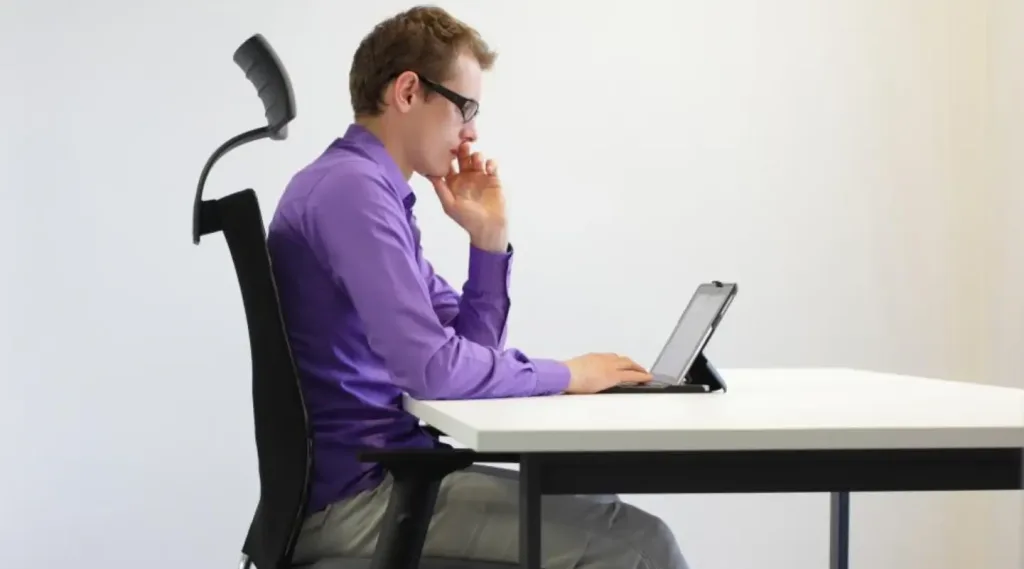
The Relationship between Poor Posture and Chronic Pain
You may have experienced a persistent pain in your neck or back that just won’t go away. It could be a result of your posture. Poor posture puts strain on your muscles and joints, leading to chronic pain over time. This is because when you slouch, toi’re placing extra pressure on your spine and surrounding muscles, causing them to become fatigued and painful.
A study published in the European Journal of Physical and Rehabilitation Medicine found that patients with chronic low back pain had significantly poorer posture than those without pain [1]. This indicates that correcting posture may be an effective treatment for chronic pain.
How Poor Posture Can Contribute to Spinal Problems and Increase the Risk of Injury
Slouching or sitting in a hunched position for extended periods can have negative effects on your spinal health. The additional pressure on spinal discs from poor posture can cause issues such as herniated discs, degenerative disc disease, and spinal stenosis. As time goes by, the wear and tear caused by the extra stress can lead to serious spinal problems.
De plus, poor posture can also increase the risk of injury. When your body is not in its optimal alignment, sudden movements or impacts can cause injury more easily. This is especially true for sports or activities that require quick reactions or changes in direction. Donc, maintaining good posture can help to prevent injuries and promote a healthy spin.
The Impact of Poor Posture on Digestion, Circulation, and Breathing
Did you know that poor posture can affect your digestion, circulation, and even your breathing? Quand tu es affalé, your internal organs are compressed, which can interfere with their function. This can lead to digestive problems such as acid reflux, constipation, and bloating.
Poor posture can also affect your circulation, as it can cause blood vessels to constrict and impede the flow of blood. This can lead to a variety of issues, including varicose veins, œdème, and even blood clots.
Enfin, poor posture can also affect your breathing. Quand tu es affalé, your chest cavity is compressed, which can make it more difficult for your lungs to expand fully. This can lead to shallow breathing, which can contribute to fatigue, anxiété, and other health problems.
Strategies for Improving Posture
Improving your posture is an important step towards maintaining good health and preventing health issues related to poor posture. Here are some strategies that can help:
- Soyez attentif à votre posture: Make a conscious effort to maintain a good posture throughout the day. Whether you are sitting or standing, ensure that your spine is straight and your shoulders are relaxed.
- Take frequent breaks: Avoid sitting for long periods of time without taking breaks. Stand up and stretch or take a walk around to prevent muscle fatigue.
- Use ergonomic furniture: Invest in ergonomic furniture and accessories, such as an ergonomic chair or standing desk, that support good posture and reduce strain on your body.
- Strengthen your core muscles: A strong core can help support good posture. Incorporate exercises that target your core muscles, such as planks and crunches, into your fitness routine.
- Practice yoga or Pilates: Yoga and Pilates can help improve your posture and increase your flexibility. These exercises also focus on strengthening the muscles that support good posture, making them a great addition to any fitness routine.
By incorporating these strategies into your daily routine, you can improve your posture and reduce your risk of developing health issues related to poor posture.
The Role of 3D Body Scanning Technology in Assessing Posture and Tracking Progress toward Improved Posture
-3.png)
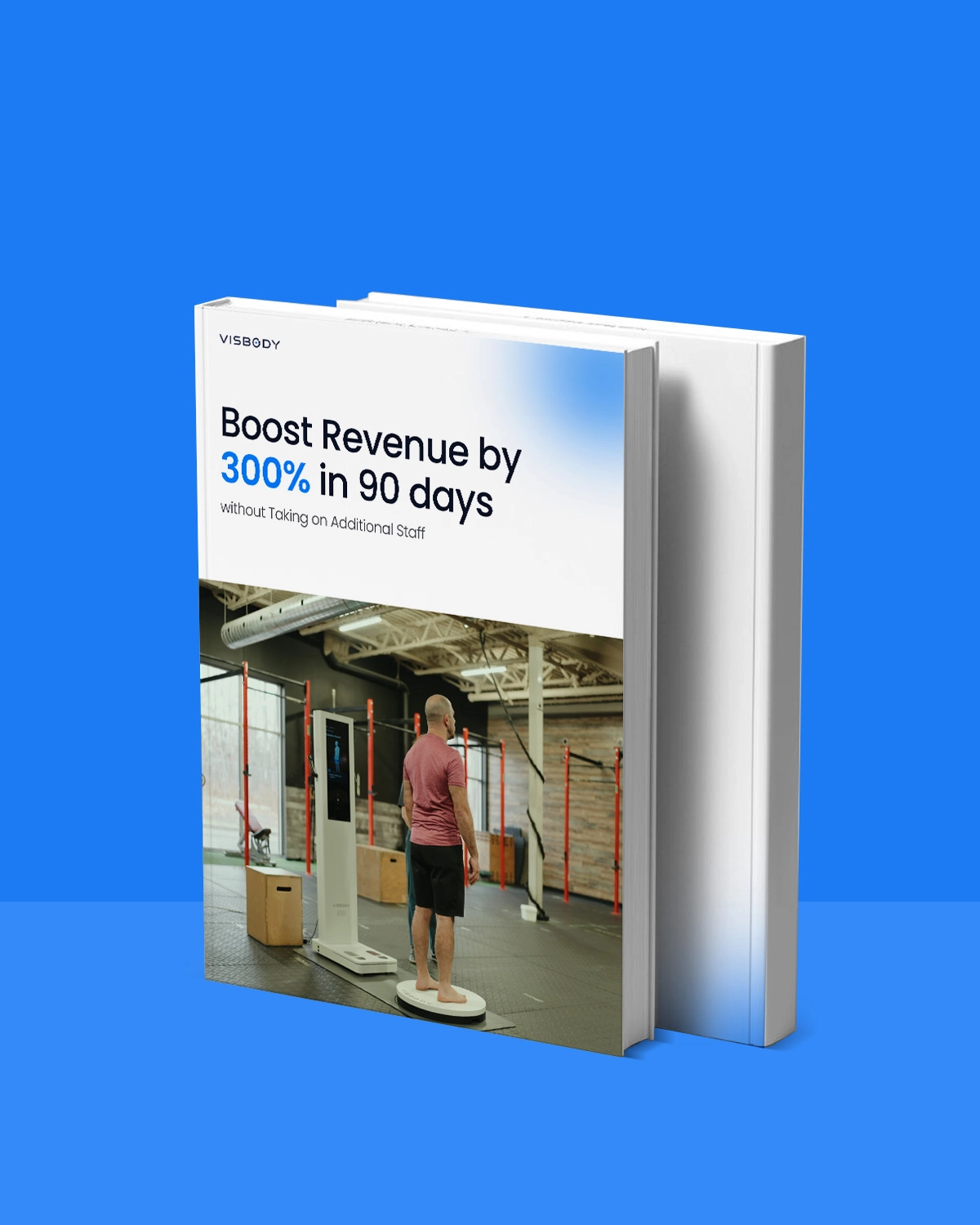
3D body scanning technology is a advanced tool for assessing posture and tracking progress toward improved posture. Here are some of the ways that this technology can help:
- Accurate measurement of posture: 3D body scanners can accurately measure your body’s alignment and identify areas where your posture needs improvement. This information can be used to create a personalized plan for improving your posture.
- Visualization of posture changes: With 3D scanning technology, you can see visual representations of your body and how it is changing over time. This can help you better understand the effects of poor posture and motivate you to make changes.
- Suivi des progrès: En scannant régulièrement votre corps, you can track your progress toward improved posture. This can be a useful tool for setting goals and staying on track with your posture-improvement plan.
- Customized exercise programs: Based on your 3D scan results, your trainer or therapist can create customized exercise programs to help you improve your posture. These exercises can target specific areas of your body that need attention.
Dans l'ensemble, 3D body scanning technology can be a valuable tool in assessing posture and tracking progress toward improved posture. By using this technology in conjunction with other posture-improvement strategies, you can work toward a healthier and pain-free body.
The Benefits of Improving Posture
Improving your posture can have a wide range of benefits for your health and well-being. Here are just a few:
- Reduced pain and discomfort: By improving your posture, you can relieve muscle tension and reduce the risk of chronic pain.
- Better balance and coordination: Good posture can help you maintain your balance and coordination, reducing the risk of falls and other injuries.
- Improved breathing and circulation: By allowing your lungs and blood vessels to function optimally, good posture can improve your overall health.
- Increased energy and confidence: When you stand up straight, toi’ll feel more energized and confident, which can have a positive impact on your daily life.
L'essentiel
Improving posture is not a one-time fix; it requires ongoing effort and consistency. Here are some of the challenges you may face when trying to correct your posture long-term, and tips on how to stay committed:
- It takes time: Correcting bad posture is a gradual process and may take weeks or even months to see results. Il’s important to be patient and not expect overnight changes.
- Old habits die hard: Poor posture habits are often deeply ingrained, and breaking them can be challenging. One effective strategy is to practice good posture consistently, even when not actively thinking about it. This will help create new habits over time.
- Physical discomfort: Correcting posture can sometimes lead to physical discomfort, such as sore muscles or joint pain. This discomfort can make it tempting to revert to old habits. To minimize discomfort, il’s important to start with small changes and gradually increase over time.
- Lack of motivation: Staying motivated can be difficult, especially when progress is slow. Setting small goals and celebrating milestones can help maintain motivation and keep you on track.
- Lack of support: It can be challenging to stay committed to posture correction without a support system. Consider joining a posture-focused community or working with a physical therapist or trainer to stay accountable and receive guidance.
En conclusion, poor posture is a common issue that can have serious consequences for your health. Cependant, by being mindful of your posture and taking steps to improve it, you can reduce your risk of chronic pain, spinal problems, et autres problèmes de santé. Avec l'aide de Visbody‘s advanced 3Technologie de numérisation corporelle D, you can track your progress towards improved posture and enjoy the many benefits of good posture.
Les références
- Friel K, McLean L, Myers C, Cieciuch J, Chanpong G, et autres. (2006) Ipsilateral hip abductor weakness is associated with the occurrence of ipsilateral knee pain and osteoarthritis after anterior cruciate ligament reconstruction. Am J Sports Med 34: 1672–1677.