Tartalomjegyzék
Bevezetés
The process of sports injury rehabilitation is a crucial component in the recovery of athletes who have sustained injuries. The program is customized to guarantee a secure resumption of athletic activities, while limiting the likelihood of sustaining another injury. The use of technology, namely modern technologies such as 3D body scanners, has significantly transformed the approach to rehabilitation, providing unprecedented levels of accuracy and customisation.
Vike, an innovative company in the field of dynamic 3D reconstruction technology, has emerged as a leading provider of tools that offer unparalleled precision in evaluating body composition and functionality. This comprehensive book explores the complexities of sports injury rehabilitation, emphasizing its significance, essential phases, and the indispensable contribution of technology in contemporary rehabilitation methodologies.
When Is Sports Injury Rehabilitation Needed?
Necessity
Common Injuries
Most Common Sports Injury Rehabilitation Techniques
What are the Stages of Sports Injury Rehabilitation?
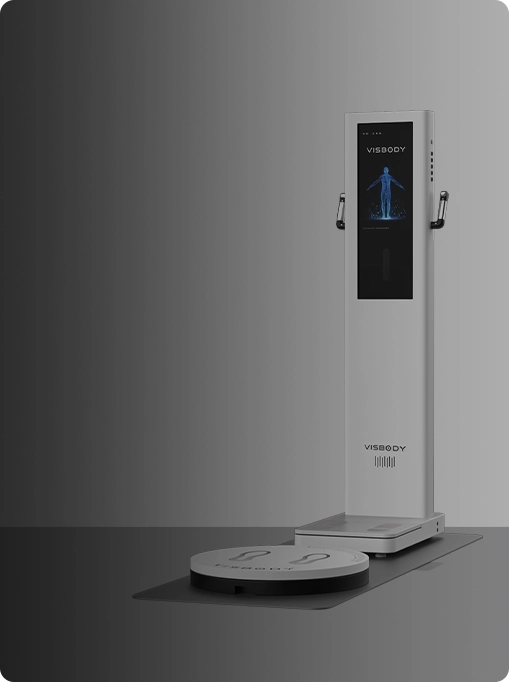
Stage 1 - Sports Injury Rehabilitation Evaluation (Visbody 3D test szkenner)
Fedezze fel megoldásainkat
Stage 2 - Pain and Swelling Reduction
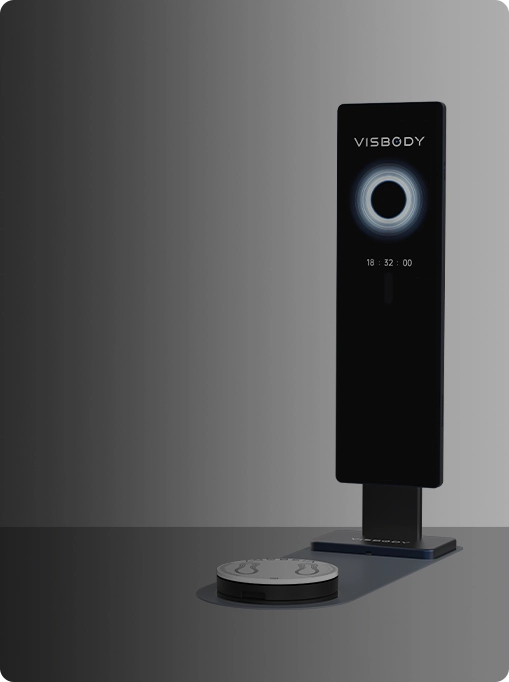
The initial stage of the rehabilitation procedure is doing a thorough assessment, utilizing advanced equipment such as the Visbody 3D test szkenner. This cutting-edge equipment offers a comprehensive evaluation by generating accurate three-dimensional representations of the athlete’s physique.
Avatars and subsequent reports are of utmost importance in the development of a tailored rehabilitation approach. Through the utilization of Visbody’s sophisticated scanning technology, professionals are able to precisely identify certain areas of concern with exceptional precision, therefore establishing the foundation for a focused and efficient rehabilitation program.
After the first assessment, the primary objective transitions to the mitigation of pain and reduction of edema. This stage utilizes a range of methodologies, such as the use of cold to mitigate inflammation, compression to control edema, and elevation to promote the extraction of fluids from the affected area.
The proficient management of these symptoms is essential for the process of healing, as it facilitates a more seamless progression towards more rigorous rehabilitation endeavors. This phase is of utmost importance in establishing the foundation for succeeding stages of recovery, guaranteeing that the body is adequately equipped for the requirements of subsequent therapeutic treatments.
Stage 3 - Improve in Joint Mobility and Range of Motion
Once the pain and swelling have diminished, the focus of rehabilitation endeavors shifts towards the restoration of joint mobility and the augmentation of the range of motion. Patients are instructed to progressively restore flexibility through a sequence of exercises and therapy techniques, which is crucial for preventing future stiffness and damage.
This phase is intricately crafted to restore the body, guaranteeing that every motion aids in the athlete’s comprehensive recuperation and enduring physical well-being. The primary aim of this endeavor is not alone to reinstate mobility levels to their pre-injury state, but also to employ tactics that will enhance the body’s resilience against any future injuries.
Stage 4 - Regain Your Strength and Endurance
The restoration of strength and endurance is a crucial element in the rehabilitation process, as these factors are fundamental to an athlete’s performance. Tailored exercise regimens are implemented with the aim of restoring muscular strength and improving stamina, taking into consideration the unique requirements of each individual and the characteristics of their ailment.
This phase is centered on the progressive escalation of exercise intensity and complexity, with the aim of facilitating the body’s adaptation and efficient recovery. The overarching objective is to restore the damaged region to its maximum level of strength and functionality, so empowering the athlete to confidently resume their athletic endeavors.
Stage 5 - Increase Coordination Skills
The enhancement of coordination and balance is an additional pivotal element within the rehabilitation process. The purpose of this stage is to improve the athlete’s motor abilities, hence increasing their capacity to execute intricate motions with improved accuracy and stability.
Activities that prioritize coordination have a crucial role in the prevention of future injuries and hold particular significance for athletes aiming to regain high levels of performance. This stage presents the athlete with the task of participating in activities that replicate authentic sports situations, so guaranteeing that their recuperation leads to concrete enhancements in their athletic performance.
Stage 6 - Recovering Sports-Specific Movements
The last stage of the rehabilitation process involves the meticulous reintegration of motions that are particular to sports. This concluding phase is customized to the specific field of study of each athlete, with a particular emphasis on the exact motions and requirements of their sport.
The objective is to guarantee that the athlete can proficiently do these activities without any apprehension of sustaining another injury. The rehabilitation process facilitates players in recovering their pre-injury performance levels by gradually incorporating sports-specific routines, resulting in a successful return to their athletic activities.
Who will Benefit from Sports Injury Rehabilitation?
When should I start Rehabilitation after an Injury?
What is the most difficult part of Sports Injury Rehabilitation?
The most challenging component of the process of sports injury recovery is sometimes attributed to the navigation of psychological hurdles. Athletes often experience a range of emotions, including irritation stemming from restricted physical activity and fear over the possibility of re-injury upon their return.
It is crucial to tackle these psychological and emotional obstacles, since a constructive mentality and resilience are key elements in the process of healing and rehabilitation. The assistance provided by therapists, edzők, and peers, together with techniques for mental conditioning, are essential in surmounting these obstacles, guaranteeing a comprehensive recuperation that embraces both physical and mental health.
Következtetés
The process of sports injury rehabilitation is a multifaceted and gratifying endeavor that has been significantly improved by developments in technology, notably those presented by Vike. Their innovative 3D A test szkennelés and analysis technology enhances the rehabilitation process by providing unprecedented precision and customisation. These instruments not only enable precise evaluations, but also transform the approach to designing and executing rehabilitation programs, guaranteeing that every stage is customized to the athlete’s individual requirements and objectives for recovery.
Comprehending the complexities associated with every phase of rehabilitation, ranging from the initial evaluation and pain control to the progressive reintegration of sports-specific motions, is crucial for effectively navigating the journey towards recuperation. A Visbody's cutting-edge technology into this procedure a more knowledgeable and evidence-based methodology towards rehabilitation. This not only improves the effectiveness of the programs but also greatly decreases the likelihood of re-injury, giving athletes the assurance to safely exceed their limitations.