
Az egyén egészségi állapotának és fittségének mérése során, a zsigeri zsír kiváló mutató a test általános állapotának értékeléséhez. It is the type of body fat stored within your abdominal cavity, surrounding vital organs such as the liver, pancreas, and intestines.
Although some amount of fat is considered healthy for your body, an excess of it can lead to severe complications. It not only impacts how we look but also affects how we feel and function in everyday activities.
Ezért, having a clear understanding of visceral fat is crucial to maintaining a healthier body. This article provides in-depth information about the causes, measurement, and prevention of this stubborn belly fat.
Tartalomjegyzék
What is Visceral Fat?
Let’s begin with the general concept of visceral fat. Általában, it is a fat that accumulates within the abdominal cavity and is thus also called belly fat or deep fat. It is present deeper within the body and cannot be easily seen or observed. You can say it’s a hidden enemy causing serious risks to our health. Although visceral fat cannot be seen, you can get a rough estimate from the following signs:
- A growing belly
- A large waist size
- An apple-shaped body
- Slim legs and a big trunk
Difference Between Visceral Fat and Subcutaneous Fat
The term visceral fat is often confused with the commonly used word subcutaneous fat. As both are types of belly fat, they have different meanings and causes. Visceral fat is highly active and lies behind your abdominal muscles. It releases hormones and chemicals that interfere with your body’s functions. Ráadásul, excess visceral fat is linked to a higher risk of serious health conditions such as heart disease, beír 2 cukorbetegség, and certain cancers.
Másrészt, subcutaneous fat is present just below your skin. It’s what you can pinch with your fingers. While it’s not entirely innocent – too much subcutaneous fat can still contribute to obesity and related health issues. Még mindig, it’s generally less harmful than visceral fat. Emellett, subcutaneous fat serves as insulation and energy storage, and it’s less metabolically active than visceral fat.
Why Should You Worry About Visceral Fat?
As visceral fat accumulates around your abdominal organs, it can have a significant effect on the liver, pancreas, and intestines. Compared to subcutaneous fat, visceral or intra-abdominal fat is more harmful to your body, causing severe health disorders. Here are some reasons why you should worry about visceral fat:
- Egészségügyi kockázatok
Visceral fat is associated with an increased risk of several health problems, beleértve a szívbetegségeket, beír 2 cukorbetegség, ütés, és bizonyos típusú rák. It releases inflammatory substances that can disrupt the normal functioning of your organs and contribute to chronic diseases.
- Szív- és érrendszeri betegségek
Visceral fat produces substances that can lead to plaque buildup in your arteries. This buildup can increase the risk of heart disease and stroke. Studies have shown that people with excessive visceral fat have high chances of hypertension or heart attacks.
- Liver Health
Visceral fat accumulation can contribute to non-alcoholic fatty liver disease (Nafld), a condition in which excess fat is stored in the liver. NAFLD can progress to more severe liver conditions, such as liver inflammation (non-alcoholic steatohepatitis) and cirrhosis.
- Insulin Resistance
Excess visceral fat is strongly linked to insulin resistance, a condition in which your cells become less responsive to the effects of insulin. This can lead to high blood sugar levels and, ultimately, beír 2 cukorbetegség.
Causes of Visceral Fat
Ezen a ponton, you’ve acknowledged the difference between visceral and subcutaneous fat and potential health risks. Viszont, you might question what causes the accumulation of this intra-abdominal fat. Hogy megtudja a választ, let’s quickly discuss the common causes of visceral fat one by one below:
- Poor Diet
Diets high in processed foods, cukros italok, and saturated fats can contribute to the accumulation of visceral fat. Egyszerűen fogalmazva, when you’re eating more calories and burning less of them, you’re contributing to the development of intra-abdominal fat.
- Ülő életmód
Lack of physical activity and insufficient movement are also possible causes of visceral fat. When you have a sedentary lifestyle with no regular exercise, it can result in an imbalance in energy expenditure. All of this can result in increased visceral fat deposition.
- Genetika
Apart from lifestyle and diet, genes can also play a vital role in the accumulation of belly fat. Genetics play a role in determining where fat is stored in the body, and some individuals may be predisposed to accumulating more visceral fat.
- Stress
Besides genetics, environmental factors such as stress can also lead to a high visceral fat percentage. Chronic stress releases a hormone called Cortisol that triggers the fight or flight response in the body. Így, this hormone is directly associated with increased visceral fat deposition.
- Other Common Causes
The additional causes leading to more visceral fat include aging, inadequate sleep, and excessive use of alcohol or smoking. Az emberek öregedésével, they tend to lose muscle mass, and their metabolism slows down, making it easier to accumulate visceral fat. Ráadásul, smoking is associated with abdominal fat accumulation, including visceral fat, and is linked to an increased risk of metabolic disorders.
How Much Visceral Fat is Normal?
Do you know a certain amount of visceral fat is normal and necessary for cushioning and protecting organs? Viszont, excessive amounts of visceral fat can increase the risk of various health problems such as heart disease, beír 2 cukorbetegség, and certain cancers.
The amount of visceral fat considered normal varies depending on age, szex, genetika, és az általános egészség. Általában, the normal visceral fat range should be about 10% of your body fat. These values can vary slightly depending on the measurement method used and the population being studied.
Measurement of Visceral Fat
Now you know the normal percentage of visceral fat, you might question how to measure this abdominal fat. As it can’t be viewed, you need specialized assessment methods to calculate the total percentage of your visceral fat. Let’s have a look at some common methods in detail below:
- Measuring Waist Circumference
The best way to measure visceral fat is by calculating your waist circumference. It involves the use of a tape measure. All you have to do is stand up straight and breathe out. Place the tape measure around your waist, just above your hipbone. Ensure the tape is snug but doesn’t compress your skin. A higher waist circumference indicates higher visceral fat levels.
- Testösszetétel skála
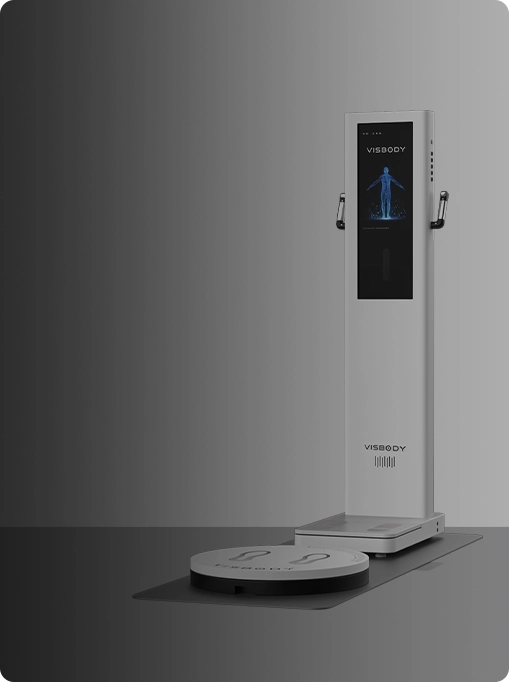
Some advanced scales, Mint a Visbody 3D testelemző, can estimate visceral fat along with other body composition metrics like body fat percentage and muscle mass. Some other scales typically use bioelectrical impedance analysis (BIA) to estimate body composition.
Bioelektromos impedancia -elemzés (BIA) hatékony értékelési módszerként használják a test alkalmasságának alapos értékelésére. Elektromos jeleket küld a szervezetnek. Ezek a jelek a test minden részében eljutnak az izomtömeg mérésére, zsír eloszlás, és a hidratációs szintet egyszerre. Átfogó, A BIA egy olyan rezisztencia- és reaktancia-mechanizmust alkalmaz, amelyben a test különböző összetevőinek reakcióképessége eltérő.
- MRI or CT Scans
A technológia fejlődésével, új és innovatív módszereket vezetnek be az elhízás diagnosztizálására. Jelenleg, radiológusok végeznek CT-t(Számítógépes tomográfia) szkennelések a testzsírszázalék értékeléséhez. Ez a szkennelés méri az extra súlyt és méretet, hogy betekintést nyújtson a személy egészségi állapotába.
Az MRI-nek nevezett fejlettebb vizsgálat ill (Mágneses rezonancia képalkotás) számítógép által generált rádióhullámok felhasználásával is elvégzik, hogy részletes képet kapjanak a test szerveiről. These imaging techniques provide the most accurate measurement of visceral fat, but they are also the most expensive and usually reserved for medical purposes.
- Dexa Scan
Kettős energiájú röntgen abszorptiometria (Dexa) scans, primarily used to measure bone density, can also estimate visceral fat levels. Alacsony szintű röntgensugárzást használ a csontsűrűség mérésére. A DEXA vizsgálat rendkívül értékes a testösszetétel mérésében, beleértve a testzsírt és az izomtömeget. A testzsírszázalék pontos felmérésével, egészségügyi szakértők jelezhetik a zsír eloszlását a szervezetben és a kapcsolódó egészségügyi kockázatokat.
When to Consult a Healthcare Provider?
From the measurement methods discussed above, you can evaluate the total visceral fat present within your body. These methods can be used at home without the need to visit a doctor. Viszont, when you experience severe health complications, it is advised to get help from healthcare professionals.
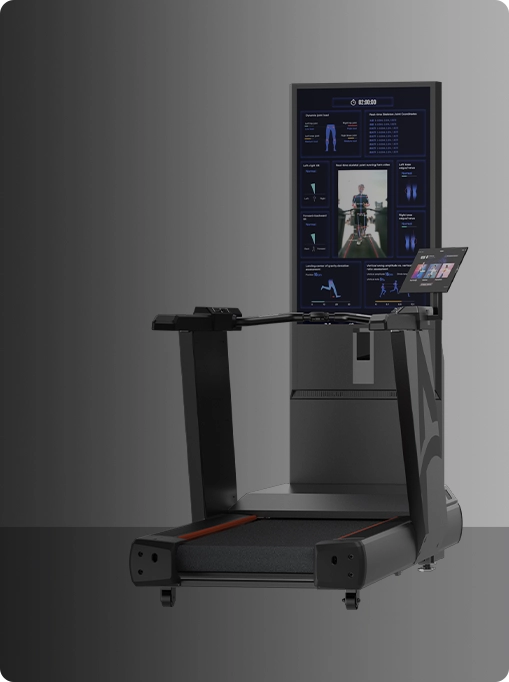
They use advanced imaging technologies such as the Visbody Scanner to measure the total body fat percentage and muscle mass. After thoroughly analyzing your body, this scanner provides specific treatment plans tailored to each individual’s needs.
Végső gondolatok
Befejezéssel, zsigeri zsír, though often overlooked, is a critical component of overall health and well-being. By understanding the implications of visceral fat on our health, you can achieve a better quality of life. Másrészt, if you do not follow the precautions, you can be at a greater risk of health disorders, including heart attack and diabetes.
Kívül, it is always great to consult your doctor and fix your sleep schedule to prevent excessive visceral fat. Scanning machines such as Vike can prove highly beneficial in providing the most efficient solutions to your body fat problems so you can enjoy a healthier life.