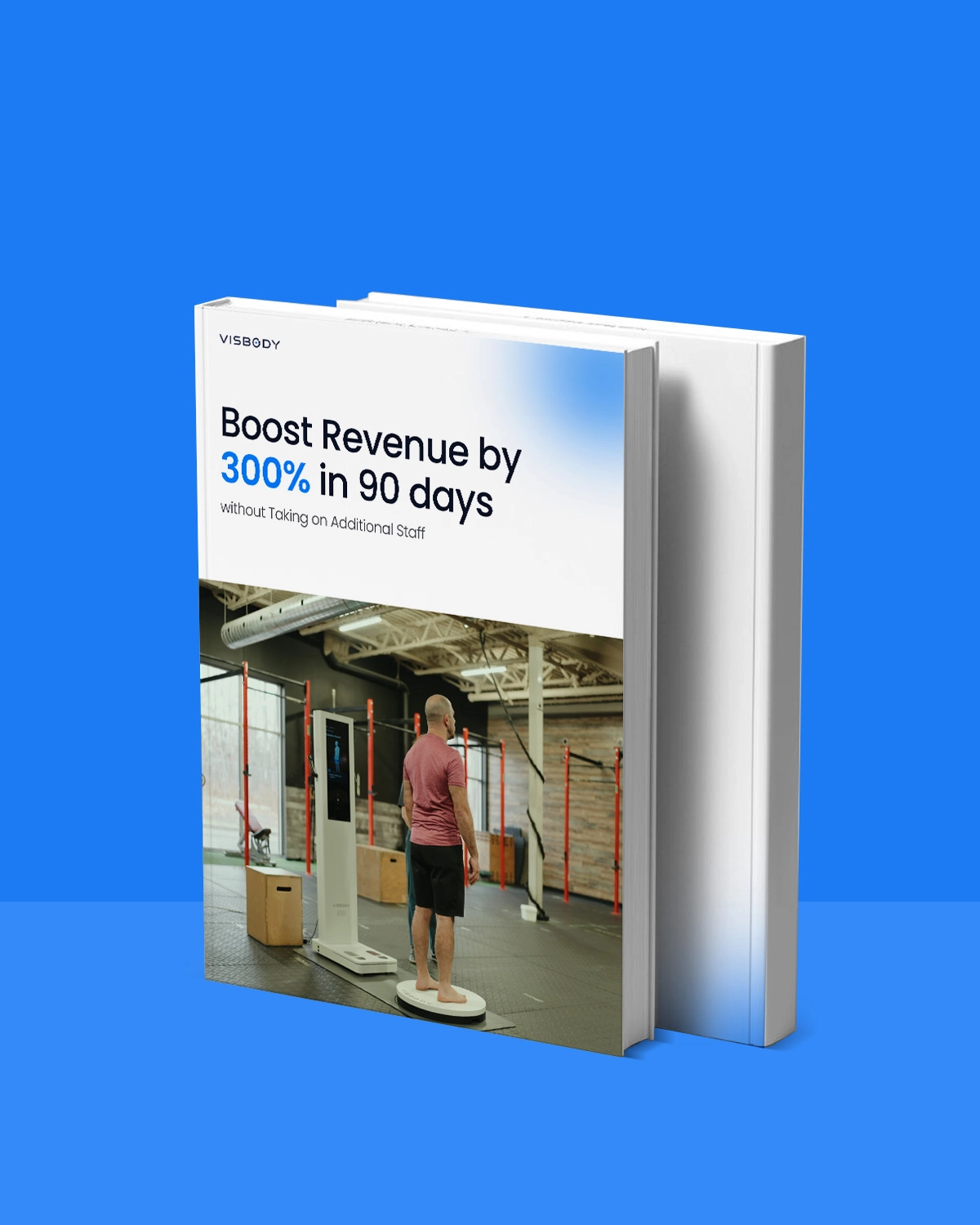

Az utóbbi években, a fizikai tökéletesség keresése, vagy legalábbis, egy test, amelyben az ember kényelmesen és magabiztosan érzi magát, has led to significant advancements in both cosmetic and medical procedures. Ezek között, body contouring has emerged as a beacon of hope for those looking to redefine their physique, offering a path to achieve the body shape they desire, beyond what traditional diet and exercise can provide. This guide looks into the world of body contouring, exploring its significance for individuals seeking not just weight loss, but a transformation that aligns with their vision of physical well-being.
Tartalomjegyzék
What is Body Contouring?
Body contouring stands at the crossroads of art and science, offering a method to sculpt the body by meticulously removing excess fat and skin to reveal a more defined and desired physique. Unlike the broad strokes of weight loss, which reduces size uniformly, body contouring is akin to the detailed work of a sculptor—targeting specific areas for reduction, enhancement, or tightening.
This precision differentiates body contouring from general weight loss. It’s not about shedding pounds indiscriminately but reshaping the body in a way that dieting and exercise alone cannot achieve. Through various surgical and non-surgical techniques, body contouring addresses areas that are resistant to change, providing a tailored solution to individual aesthetic goals.
Who Needs Body Contouring?
The journey to considering body contouring is as personal as the results it aims to achieve. Ideal candidates range from individuals who have undergone significant weight loss and are left with excess skin, to those who, despite a healthy lifestyle, struggle with stubborn fat deposits in areas like the abdomen, fegyver, or thighs. Továbbá, body contouring appeals to those looking for aesthetic improvements that do not require the extensive downtime or invasiveness of major surgery.
Determining candidacy for body contouring begins with a thorough consultation and evaluation. Factors such as overall health, skin elasticity, and specific body goals are taken into account to create a treatment plan that is both safe and effective. This process ensures that body contouring is not just seen as a procedure, but as a partnership between patient and practitioner, working together towards a shared vision of what each individual’s best self looks like.
Types of Body Contouring Procedures
Body contouring procedures are diverse, each tailored to meet different needs and outcomes. Understanding the options available is crucial in making an informed decision that aligns with one’s health and aesthetic objectives.
Surgical Options like liposuction, tummy tucks, and body lifts are invasive procedures designed to remove significant amounts of fat and skin. These are often considered by those with considerable excess skin following massive weight loss or those desiring a dramatic change.
Másrészt, Non-Surgical Options have gained popularity for their minimal downtime and less invasive nature. Techniques such as cryolipolysis (fat freezing), laser lipolysis (laser fat reduction), and radiofrequency treatments offer alternatives to surgery. These methods are suited for reducing fat layers and tightening skin without the scalpel, catering to individuals looking for subtle refinements or those not ready for surgical intervention.
How Does Body Contouring Work?
The underlying principle of body contouring, whether through surgical or non-surgical means, involves the targeted removal or reduction of fat cells and the tightening of skin. Még, the mechanisms by which these outcomes are achieved vary significantly between procedures, each harnessing different scientific advancements to sculpt the body.
Surgical methods like liposuction physically remove fat cells from the body through suction, offering immediate and noticeable results. Tummy tucks and body lifts go a step further by not only removing excess fat but also excising loose skin and tightening the remaining skin for a smoother, more defined appearance. These procedures, while offering dramatic transformations, require a recovery period, during which the body heals and adjusts to its new contours.
Non-surgical techniques, másrészt, employ a range of technologies to target fat cells and stimulate skin tightening without invasive surgery. Cryolipolysis, például, uses extreme cold to break down fat cells, which are then naturally eliminated by the body over time. Laser lipolysis and radiofrequency treatments similarly target fat cells but use heat to disrupt their integrity, coupled with stimulating collagen production to enhance skin tightness. These methods are appealing for their minimal downtime and the absence of surgical risks, making body contouring accessible to a broader audience.
Validating Body Contouring Treatments with 3D Body Scanners
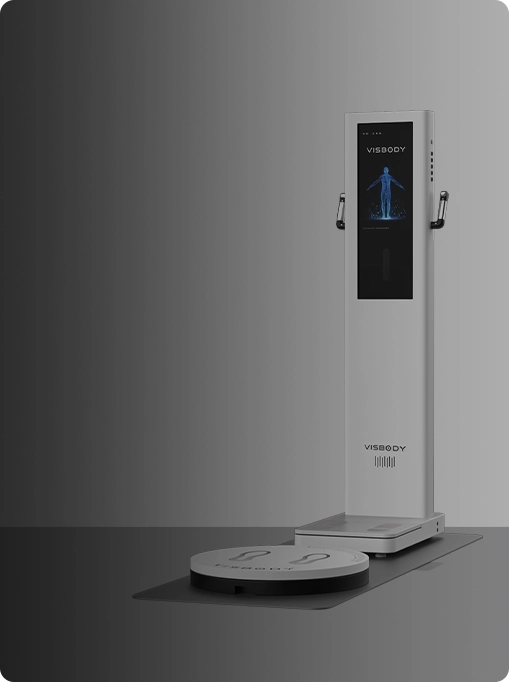
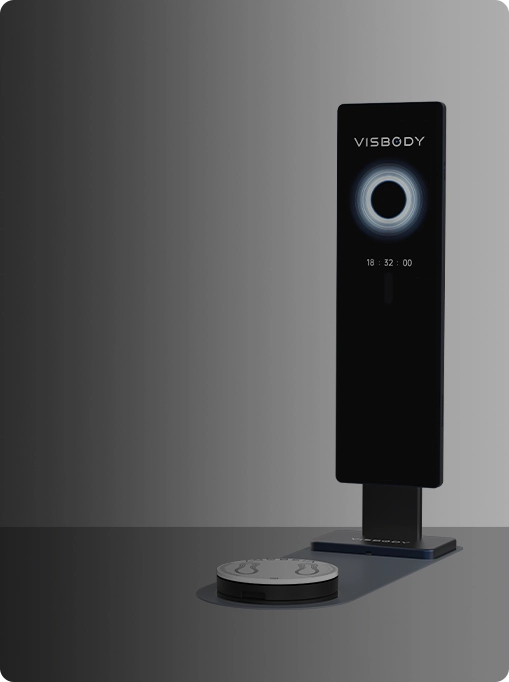
A crucial step in the body contouring process is the accurate assessment of a patient’s starting point and the precise planning of their treatment. Itt van 3D A test szkennelés technology shines, offering an unparalleled tool for both practitioners and patients.
Pre-treatment Consultation: Utilizing devices like the full body 3D scanner, practitioners can obtain a detailed map of a patient’s body composition. This not only aids in identifying the specific areas for contouring but also in setting realistic expectations for the outcome. The precision of these scanners ensures that every contouring plan is as individual as the patients themselves, tailored to their unique body shape and composition goals.
Post-treatment Validation: The journey doesn’t end after the procedure. The true success of a body contouring treatment lies in its lasting effects and the satisfaction of the patient with their results. Here again, 3D test -leolvasók play a pivotal role. By providing quantifiable and visual before-and-after comparisons, these devices validate the effectiveness of the treatments. Patients can see the changes in their body’s contours, not just feel them, adding an objective measure to the subjective experience of their transformation.
Risks of Body Contouring
While body contouring offers numerous benefits, it’s important for individuals to be aware of the potential risks involved. Surgical procedures, with their more invasive nature, carry risks such as infection, scarring, and complications from anesthesia. Non-surgical methods, though generally safer, can sometimes result in skin irritation, temporary numbness, or uneven results.
Recovery and Aftercare
Recovery and aftercare play critical roles in achieving the best outcomes from body contouring procedures. For surgical options, this might involve several weeks of rest, special garments to support the treated areas, and possibly drainage tubes to remove excess fluid. Non-surgical treatments usually require less downtime, but following the practitioner’s advice on activities to avoid and how to care for the treated areas is still crucial.
Future Trends in Body Contouring
As we stand on the brink of new discoveries and technological advancements, the future of body contouring looks bright, with several trends poised to redefine the landscape of cosmetic and medical body sculpting:
– Personalized Procedures Through AI: Artificial intelligence is expected to play a significant role in tailoring body contouring treatments to individual needs more precisely. By analyzing vast amounts of data from past successful procedures, AI could help predict the best course of action for unique body types and goals.
– Minimally Invasive Techniques: Research is continuously underway to develop methods that offer significant results with minimal downtime and discomfort. Techniques that use advanced forms of energy delivery, such as focused ultrasound or improved laser technology, are being explored for their potential to remove fat and tighten skin without incisions.
– Regenerative Treatments: The integration of regenerative medicine, including stem cells and growth factors, with body contouring procedures could enhance skin quality, promote healing, and improve the longevity of results. This approach not only aims to reshape the body but also to rejuvenate the skin and underlying tissues.
– Virtuális valóság in Consultation and Planning: Virtual reality technology might soon allow individuals to visualize potential outcomes of body contouring procedures in a 3D virtual space, offering a more interactive and immersive consultation experience. This could help in setting realistic expectations and improving satisfaction with the final results.
By incorporating a discussion on future trends, the article not only concludes on an informative note but also leaves readers excited about the possibilities that lie ahead in the realm of body contouring. This forward-looking perspective underscores the dynamic nature of the field and its potential to offer even more personalized, hatékony, and safe options for individuals seeking body sculpting treatments.
Következtetés: The Path to Enhanced Well-being
Body contouring represents more than a set of procedures; it’s a gateway to enhanced self-esteem and well-being for many. Ahogy feltártuk, from the initial consultation to the recovery and beyond, each step in the body contouring process is crucial in transforming not just physical appearances but also how individuals feel about themselves. The advancement of technologies, particularly 3D body scanners, has significantly contributed to the precision and success of these treatments, ensuring outcomes that align closely with patient expectations.
As we look forward, the field of body contouring is set to evolve further, with ongoing innovations in both surgical and non-surgical techniques. These advancements promise to make body contouring even more accessible, hatékony, and safe, opening up new possibilities for individuals seeking to align their physical form with their vision of health and beauty. The journey of body contouring is deeply personal, with the decision to pursue such procedures often coming after considerable thought and exploration of available options.