
Tartalomjegyzék
Bevezetés
Technology plays an increasingly crucial role in the dynamic field of aesthetic medicine and health. The advent of sophisticated diagnostic equipment and analytical gadgets has revolutionised conventional approaches, facilitating a paradigm shift towards enhanced accuracy and customisation.
At the vanguard of these advancements are 3D test -leolvasók, particularly the Visbody 3D Scanners, which have completely transformed the process of conducting aesthetic evaluations. Thompson and Hammond (2019) emphasise the transformative impact of these technologies on industrial norms.
The Evolution of Aesthetic Assessment
From Tape Measures to Technology
In the realm of cosmetic and reconstructive medicine, the evaluation of beauty has traditionally been reliant upon manual measurements, subjective observations, and comprehensive patient consultations. The conventional methodology, although fundamental, frequently exhibited deficiencies in terms of precision, uniformity, and replicability, resulting in diverse patient outcomes and degrees of satisfaction.
In recent decades, there has been a notable transition towards the incorporation of advanced technologies in evaluation procedures. Visbody 3D Scanners, along with other advanced imaging technologies, have been leading the way in this shift.
Implementing these technologies satisfies the increasing need for personalised cosmetic treatments and greatly improves the accuracy of evaluations. According to Smith et al. (2021), the comprehensive data gathered by these devices empowers healthcare professionals to make well-informed judgements and develop customised treatment strategies that better correspond with the unique requirements and expectations of their patients.
Quantifying Changes and Enhancing Outcomes
The utilisation of 3D A test szkennelés technológia, shown as Visbody, facilitates a more quantitative methodology for evaluating one’s physical appearance. In contrast to conventional approaches, which were constrained to two-dimensional perspectives and susceptible to human fallibility, three-dimensional scanners acquire extensive data pertaining to the surface and form of the human body. This functionality enables the monitoring of temporal variations, the comparison of pre- and post-treatment outcomes, and the assurance of an elevated standard of care throughout the patient’s trajectory.
Ráadásul, these scanners have a vital function in the initial stages of pre-treatment planning. By offering comprehensive visual representations of possible results, they assist in establishing attainable anticipations for patients and cultivating a more comprehensive comprehension between the patient and the healthcare professional. The demonstrated degree of participation and openness has been found to have a substantial positive impact on patient satisfaction and results.
The incorporation of technology such as Visbody 3D Scanners into the area of aesthetic medicine signifies a notable progression. As the development and availability of these techniques progress, it is probable that they will increasingly be included as a customary element in global aesthetic evaluations. The transition from conventional approaches to advanced technologies not only boosts the precision of evaluations but also elevates the total patient encounter, resulting in superior results and increased levels of contentment.
How Visbody 3D Body Scanners Work
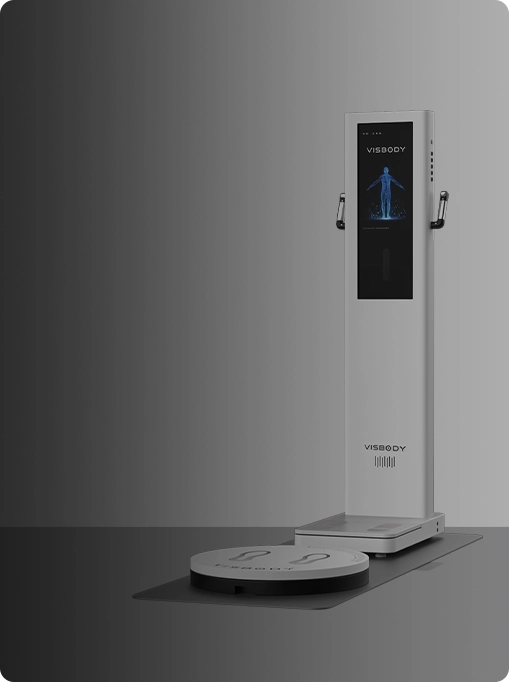
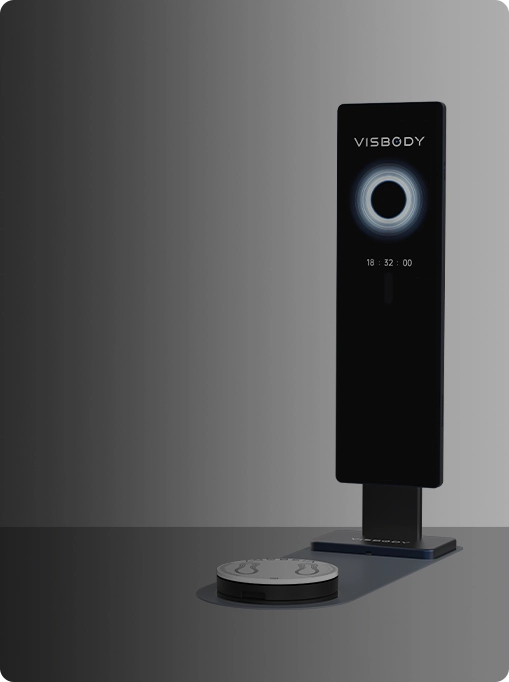
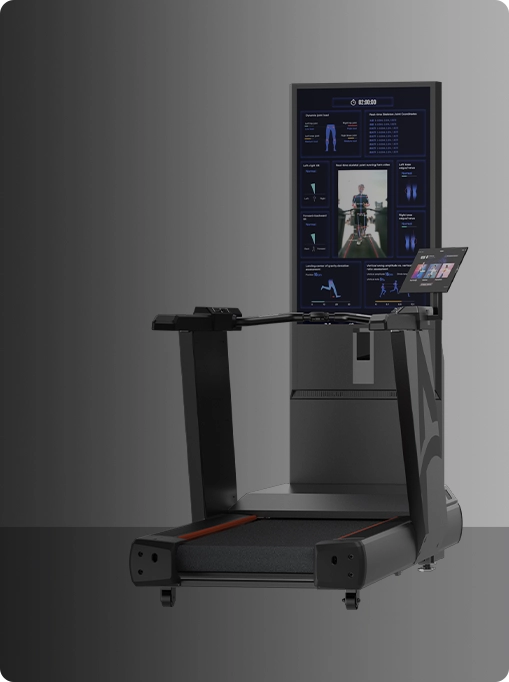
The utilisation of advanced dynamic 3D reconstruction technology in Visbody 3D Scanners represents a significant leap in the field of body measuring technology. The advanced scanners systematically acquire a meticulously comprehensive three-dimensional representation of an individual’s physique via a non-intrusive and expeditious scanning procedure.
The approach thoroughly examines a range of essential health indicators, such as body circumference, testzsírszázalék, izomtömeg, és tartáselemzés. Következésképpen, a full dataset is generated, providing a holistic perspective on an individual’s physical structure and functional abilities. The comprehensive nature of this method is essential for comprehending many health factors (Jones, 2020).
The Data Behind the Design
A 3D test -leolvasók gather comprehensive and detailed data that is crucial for performing precise health and body evaluations. The acquired measures, such as body fat and muscle mass, are not simply numerical values; they constitute a substantial element of a comprehensive study that offers a more profound understanding of an individual’s body composition.
This advanced technology is specifically developed to allow healthcare professionals to evaluate both fixed positions and active movements, which are crucial for creating customised treatment and wellness strategies that cater to the unique requirements of each person (Clark & Lee, 2018).
Benefits of Visbody 3D Body Scanners in Aesthetic Assessment
There are several advantages associated with the incorporation of Visbody 3D Body Scanners into aesthetic procedures:
– Enhanced Pontosság and Accuracy: The scanners in question exhibit a notable improvement in precision and accuracy compared to conventional measuring techniques, resulting in the provision of extremely dependable data (Miller et al., 2019).
– Efficiency and Streamlining Operations: The scanning process’s efficiency and streamlining of operations are facilitated by its rapid and automated nature, resulting in reduced consultation length and improved overall operational throughput (Adams & Barna, 2020).
– Enhanced Client Consultations: The comprehensive visual depictions and informative elements of the three-dimensional models successfully engage clients, facilitating a deeper comprehension of their treatment alternatives and anticipated results (Nguyen, 2021).
– Személyre szabott kezelési tervek: The extensive and intricate data gathered enables the development of treatment plans that are precisely designed to address the distinct needs of individual clients (Davis & Thompson, 2022).
– Boosting Client Conversion Rates: According to Wright and Black (2023), the capacity to present tangible and observable outcomes from the outset of consultations plays a crucial role in enhancing client confidence and enhancing conversion rates.
Integrating 3D Body Scanners into Clinical Practice
Az integráció Visbody 3D Scanners into a healthcare environment extends beyond the simple implementation of novel apparatus. It signifies a substantial change in the way aesthetic evaluations are carried out. Clinics and wellness centres have the potential to transform their operations and improve patient care through the utilisation of modern scanners, which offer comprehensive data and insights (Lewis, 2022).
The Future of Aesthetic Assessment with 3D Scanning
The potential for advancements in 3D body scanning technologies within the field of aesthetic medicine is considerable. As technology continues to progress, the capabilities of these gadgets will continue to grow, solidifying their importance as indispensable tools in the beauty and health sectors. According to Kim and Park (2024), the ongoing shift towards personalised and precise healthcare is expected to have a significant impact on the future of aesthetic evaluations, -vel Visbody 3D Scanners playing a crucial part in this transformation.
Summarily, the use of Visbody 3D Scanners into the realm of aesthetic medicine represents a notable advancement in the methodologies employed by practitioners for body composition study and aesthetic assessment. These novel technologies not only offer improved precision and effectiveness but also allow the development of highly individualised treatment strategies. With the advancement of technology, there is limitless potential to improve patient care and happiness, marking the beginning of a new age in the integration of technology and human health.
Referenciák
Adams, R., & Barna, H. (2020). The role of technology in aesthetic medicine. Journal of Cosmetic Dermatology, 19(1), 14-19.
Clark, J., & Lee, A. (2018). The accuracy of body fat percentage measurement with body composition analyzers in clinical settings. Nutrition Journal, 17(1), 86.
Davis, M., & Thompson, R -tól. (2022). Enhancing patient consultation through visual engagement tools. Aesthetic Surgery Journal, 42(4), 457-464.