
For hver idrettsutøver som streber etter fortreffelighet, hvert skritt, hver sving, hver løft henger på et fundament som ofte blir oversett – holdning. Hvis det er en stjernesprinter som strekker seg mot målstreken, det er stort sett ikke bare med eksplosiv kraft, men med en justering så effektiv, det minimerer belastningen og maksimerer hver eneste unse energi.
Det er magien med optimal holdning i sport.
Ennå, studier viser at opp til 70% av idrettsutøvere har posturelle ubalanser, som stille setter ytelsen i fare og inviterer til skader.
Det er her terapeuters kunstnerskap og ekspertise smelter sammen med presisjonen til avanserte enheter som danner en potent allianse for å frigjøre det fulle potensialet til atletisk holdning.
Ved å veilede idrettsutøvere mot optimal justering gjennom et skarpt øye og den datadrevne innsikten til innovative enheter, vi kan omskrive fortellingen om sportsprestasjoner, en perfekt holdning om gangen.
Innholdsfortegnelse
Forstå koblingen mellom holdning og ytelse
For idrettsutøvere, optimal holdning er ikke bare et spørsmål om å se bra ut; det er hjørnesteinen for topp ytelse og skadeforebygging. Riktig justering fungerer som en finjustert motor, maksimerer kraftoverføringen og minimerer belastningen under bevegelse.
For en godt innstilt løper, deres kjerne kobles effektivt nok til å drive dem fremover med minimalt med bortkastet energi. Denne biomekaniske effektiviteten er mesternes hemmelige våpen.
derimot, akkurat som en feiljustert bilmotor sprudler og stopper, postural ubalanse kan betydelig hindre atletisk potensial. Avrundede skuldre, for eksempel, begrense skulderbladets bevegelse. Dette kan redusere kastehastigheten i baseball eller kompromittere svømmeslag. på samme måte, en svak kjerne svekker kroppens fundament, som også reduserer stabilitet og kontroll i idretter som gymnastikk eller kampsport.
Konsekvensene av dårlig holdning strekker seg utover spesifikke handlinger. En ubalansert kropp kompenserer for feiljusteringer, fører til ujevn muskelaktivering og økt risiko for skade. For eksempel, en løper med ujevne hofter vil få hvert skritt til å bli en potensiell risikofaktor for overbelastningsskader på det overbelastede beinet.
Å forstå disse biomekaniske prinsippene gir terapeuter mulighet til å hjelpe idrettsutøvere med å nå sitt maksimale potensial ved å vurdere holdningen deres og finne ut hvor kroppen deres er ute av linje..
Terapeutens rolle i postural vurdering
Idrettsterapeuter spiller en avgjørende rolle i å optimalisere atletisk ytelse, og det hele starter med riktig postural vurdering. Evalueringen inkluderer presise intervensjoner, høyteknologisk bildebehandling (som 3D-kroppsskanninger), og nøye observasjon, med det endelige målet om å oppnå optimal justering for hver idrettsutøver. Her er noen av trinnene som er involvert i vurdering:
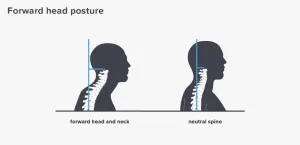
Observasjon: Visuell vurdering avslører avslørende tegn som avrundede skuldre, en fremre hodestilling, eller ujevne hofter. Disse ubalansene kan antyde underliggende problemer som svake kjernemuskler eller stramme hamstrings, påvirke ytelsen i idretter som løping eller gymnastikk.
Palpasjon: Gjennom palpasjon, svake setemuskler eller tette knuter i skuldrene kan lokaliseres, som resulterer i forbedret holdning og økt kraftoverføring. For eksempel, en toppfotballspiller med svake setemuskler vil ha redusert sparkekraften.
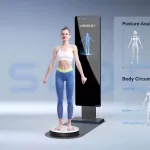
Bildebehandling: Avanserte verktøy som MR-er og 3D-kroppsskannere gir en detaljert 3D-modell av kroppens justering, avsløre skjulte skjelettfeil eller muskelrifter som ellers kan gå ubemerket hen. Dette omfattende synet gir terapeuter mulighet til å identifisere årsaken til posturale problemer og skreddersy intervensjoner deretter.
Funksjonelle bevegelsestester: Disse blir den siste akten i vurderingen. Å se idrettsutøvere utføre sine spesifikke sportsbevegelser lar terapeuter se hvordan holdning omsettes til handling.
Forstyrrer en løpers ujevne hoftejustering skritteffektiviteten? Kompromitterer en svømmers avrundede skulderstilling slagkraften? Disse dynamiske observasjonene, kombinert med innsikten fra de andre vurderingene, fullfør bildet av utøverens posturale landskap.
The real creative work starts after the evaluation is over.
Therapists craft personalized interventions, like prescribing corrective exercises for rounded shoulders, such as scapular retraction exercises and chest wall stretches, to improve shoulder blade mobility and throwing power.
A weak core might be addressed through targeted exercises like planks and deadlifts to build strength and stability.
Athletes can reap even greater benefits when the therapists work in tandem with other specialists, like dietitians, for optimal feeding.
Innovative enheter for holdningsanalyse
Enkle verktøy
Posture analysis usually starts with simple, time-tested instruments like plumb lines that involve dropping down a line on an athlete’s body – any deviations from perfect vertical alignment become instantly visible. Posture grids, mounted charts with reference points, also offer a quick visual check for imbalances, while goniometers, devices that measure joint angles with precision, pinpoint flexibility limitations. These fundamental tools, though unassuming, provide a vital first glimpse into the athlete’s postural landscape. High-Tech Revolution: But the terrain of posture assessment doesn’t stop at basic instruments. Advanced devices like 3D body scanners are transforming the game. Imagine a virtual snapshot of every muscle, joint, and bony landmark, captured in seconds by a scanner and displayed on a screen. This incredible level of detail goes beyond static posture, revealing even subtle dynamic imbalances that occur during movement. With this wealth of data, therapists can pinpoint weaknesses, track progress over time, and tailor interventions with laser focus. 3D kroppsskannere, like full body 3D scanners used in body scanner fitness studios and other health settings, offer significant advantages beyond just posture analysis. They can also provide: Detailed body composition analysis: By measuring body fat percentage, muskelmasse, og andre beregninger, these scanners help athletes optimize their training and nutrition for peak performance. Injury risk assessment: Powerful algorithms analyze data from the scan to identify potential areas of weakness that could lead to injuries, allowing for proactive interventions. Motivational feedback: Athletes can see their progress over time through visual comparisons of past and present scans, fueling their motivation and commitment to their training goals. Research studies support the impact of advanced devices on posture assessment. A recent study published in the Journal of Sports Medicine found that athletes who underwent regular 3D body scans and received personalized interventions based on the data saw a significant improvement in both posture and performance compared to a control group that did not use this technology.Kombinerer terapeutkompetanse med teknologi:
In the pursuit of perfect posture, therapists are not outmatched by technology – they’re empowered by it. It’s a beautiful dance where the therapist’s keen eye and seasoned knowledge harmonize with the objective data and in-depth analysis provided by advanced tools, like 3D body scanners. This potent partnership unlocks a level of understanding and intervention previously unimaginable.
Knowledge Meets Data: Imagine a therapist assessing an athlete’s posture – their trained eye spots a subtle shoulder imbalance. Nå, picture that same imbalance being quantified and visualized by a 3D scan, revealing not just the deviation but also its precise extent and potential impact on movement. This synergy of human insight and objective data elevates accuracy, ensuring diagnoses are not just informed but grounded in concrete evidence.
Beyond the Surface: But the real magic unfolds when this partnership delves deeper than visual observations. A therapist might suspect a weakness in an athlete’s core, impacting their stability. Ennå, a 3D scan can confirm this suspicion, pinpointing the specific muscle groups involved and quantifying their degree of underactivation. This level of granularity empowers therapists to design targeted interventions, not just addressing the visible imbalance but also its underlying biomechanical cause.
The benefits of this partnership extend beyond improved accuracy and targeted interventions. By automating tedious tasks like data collection and analysis, technology frees up the therapist’s time for the crucial work of interpretation, guidance, and motivation. This allows them to focus on building rapport with the athlete, tailoring their interventions to individual needs and preferences, and providing encouragement throughout the journey towards optimal posture.
I hovedsak, therapist expertise and technological advancements are not competitors, but collaborators. Sammen, they form a powerful alliance, transforming posture assessment from a subjective art into a data-driven science, ultimately paving the way for athletes to reach their full potential, ett justert skritt om gangen.
Future of Postural Assessment in Sports
The quest for perfect posture in sports is constantly evolving, with technology and therapy forming an ever-stronger alliance. This partnership promises to unlock a future where athletes can proactively monitor and maintain optimal alignment, paving the way for peak performance and lifelong injury prevention.
Tech-Powered Insights: Imagine a world where 3D body scanners aren’t just capturing static postures, but analyzing movement in real-time with AI-powered algorithms. These intelligent systems could instantly identify subtle imbalances and potential risks, providing immediate feedback to athletes and therapists alike. Think of it as a virtual coach constantly whispering in your ear, guiding you towards perfect form and preventing injuries before they even arise.
Personalized Proactiveness: This future won’t be about reactive interventions; it’s about proactive prevention. Athletes equipped with wearable sensors and body composition analyzers could track their posture and health metrics continuously. These data streams, analyzed by intelligent platforms, would predict potential problems and suggest personalized interventions before symptoms even appear. Imagine knowing exactly which exercises to do, how much sleep to prioritize, and even what foods to avoid to maintain optimal alignment and performance throughout your career.
This is not just a futuristic fantasy; it’s the next chapter in the story of athlete posture. Therapists, armed with advanced tools and data insights, will become architects of preventive care, guiding athletes towards a future where perfect posture isn’t just a goal, but a sustainable lifestyle. The days of guesswork and reactive fixes are numbered; the future belongs to personalized, proactive, and technology-powered posture assessment, ensuring every athlete reaches their full potential, ett justert skritt om gangen.
Konklusjon
Posture is the foundation for power, stabilitet, and resilience. Therapists, with their keen eye and personalized interventions, are essential guides on this path. With the help of technology like Visbody, we can now refine assessments and customize interventions with objective data and powerful tools.
Athletes can achieve their full potential with each stride that is properly aligned thanks to this powerful partnership, which takes posture evaluation to a new level. The future of injury prevention and peak performance for your athletes lies in this partnership, so therapists, embrace it and open the door.