
Índice
Introdução
The traditional "sem dor, sem ganho" fitness mentality
Sem dor, nenhum ganho é um ditado bastante bizarro. Incentiva-nos deliberadamente a aceitar coisas que normalmente detestamos e a tentar evitar ativamente.. A experiência da dor é sem dúvida o mais básico e primitivo do mal, ainda a máxima “Sem dor, sem ganho!” promove avidamente a dor como a única fonte de bem e exorta as pessoas a procurá-la ativamente. Parece-nos estranho, paradoxal, e quase propositalmente perverso - deixando-nos perguntar como tal ditado se tornou tão amplamente repetido como o senso comum. (furgão, 2019)
Um de seus primeiros campeões na América durante a década de 1970 foi um fisiculturista. O famoso slogan de Arnold Schwarzenegger, “Sem dor, sem ganho,” ficou conhecido. Aparecia frequentemente em comerciais de produtos como equipamentos de musculação Solo Flex.. Mas o ditado rapidamente ganhou popularidade entre os americanos que queriam ser saudáveis e em forma, não apenas devotos que esculpem músculos. A frase “Sem dor, sem ganho” expressou uma crença nebulosa, mas sincera, na necessidade de uma certa quantidade de esforço para enormes exércitos de corredores e fanáticos por exercícios. Qualquer exercício que mereça esse nome, qualquer treino verdadeiramente eficaz, tinha que doer um pouco. Sentir a dor!” Jane Fonda estimulou os espectadores ofegantes e suados de seus conhecidos programas de aeróbica. Sem dor, sem ganho! (Louco,2020)
Claro, houve detratores. Embora “Sem dor, sem ganho” foi promovido como uma máxima de fitness, mal criou raízes quando criticado - curiosamente, pelos especialistas que conheciam melhor o corpo. Os médicos se referiam a isso como “bobagem machista” e um erro estúpido. ”Physical pain,” according to one physician, ”is the body’s signalling that your actions exceed its boundaries. Aspirants to fitness ran the risk of suffering a severe injury by rejecting natural signals that warned against harm. (Kuriyama, 2019)
The drawbacks and dangers of pushing yourself too hard
You dramatically increase your risk of being hurt when you push yourself too hard or exercise too frequently without taking a day off. That’s because our bodies are more vulnerable to injuries when we exert our bodies to the limit. If you don’t take a day off between workouts, your muscles and joints won’t have a chance to recover, increasing the risk of strains, twists, and tears. Não se esforce demais, pois você só se arrependerá mais tarde se não quiser correr o risco de sofrer uma lesão dolorosa que pode levar semanas ou meses para cicatrizar.. (Noivo, 1993)
A motivação para treinar é essencial para treinar com sucesso e obter resultados. Você vai se esgotar mentalmente e perder o desejo de se exercitar se se esforçar demais e sempre se sentir mal depois de um treino por esse motivo. Ajudaria se você se exercitasse com frequência para ficar em forma; por isso, você não pode se dar ao luxo de ter exaustão mental.
Esforçar-se demais durante o exercício pode potencialmente agravar problemas de saúde pré-existentes. Se você tem asma, por exemplo, esforçar-se demais na academia pode desencadear um ataque, qual é a última coisa que você quer. Ou, digamos que você tenha um problema cardíaco; straining yourself might result in a cardiac arrest. To increase the odds of survival for anyone who becomes ill while exercising, most training facilities are outfitted with PAD 360P defibrillators or a similar type due to the prevalence of heart attacks at gyms. Even though exercise is healthy, pushing yourself too hard can be harmful, especially if you already have a health issue. (Noivo, 1993)
A Gentle Approach to Fitness
The benefits of listening to your body and respecting its limits
One of our best sources of knowledge is our bodies. It could feel like a burning sensation in your stomach, butterflies in your stomach, tension in your neck, a dull ache in your back, or a tightness in your chest. These feelings are there for a reason, and paying attention is crucial. Infelizmente, many of us feel somewhat disconnected from our bodies and what they are trying to tell us for various reasons. Many of us live without a consistent understanding of how our bodies feel or what they’re trying to tell us, whether it’s a general unease in your whole body that is challenging to tune in to, a feeling of “floating above” your body, or a sense of having shut off the body’s feelings because they’re too painful. (Bacon et al. 2014)
While we were naturally tuned in to our body’s signals and needed at birth, many factors beyond our control have caused this disconnect. When you were a child, it’s possible that your parents forced you to eat until you were delighted or restricted your access to specific foods they believed to be unhealthy. Perhaps you spent a significant portion of your adolescent and adult years trying various diets to lose weight, adhering to a set of prescribed guidelines for when to eat, when to avoid eating, how much to eat, and what to eat and what to avoid eating. It didn’t matter if your body was hungry or complete, and it didn’t matter what it wanted to eat; what mattered was controlling your body with willpower. It was crucial to ignore your body’s cues and go to outside guidance on what to eat, how to move, and how to live. (Bacon et al. 2014)
How to balance challenging yourself with avoiding injury and burnout
There are easy things you can do to prevent injuries when working out. But first, remember this fundamental principle. Before beginning an exercise regimen, women over 55 should speak with a healthcare provider. You can then be sure you are healthy enough to exercise. The same rules apply to men over 45 and anybody with any health issue.
Here are some tips for protecting yourself from injuries while working out:
Preparation and recovery. Every exercise session should start with a warm-up and end with a cool-down. Your body prepares for exercise with the aid of a warm-up. Your muscles and joints will become looser as your heart rate progressively rises. (furgão, 2011)
Protecting Yourself During Workouts
How to avoid injury and prevent strain on your body during exercise
Create a workout regimen that combines aerobic, treinamento de força, e flexibilidade. It will lessen your risk of getting hurt. Exercise every other day and switch up the muscles you work. Following exercise or sports, cool down properly. The duration should be double that of your warm-ups. Remain hydrated. To avoid dehydration, heat exhaustion, and heatstroke, drink water. Exercises that stretch the muscles can make them more capable of performing and contracting, which lowers the chance of injury. Each stretch should begin slowly until you feel some tension in the muscles. It shouldn’t hurt to stretch. With each stretch, try to hold it for up to 20 segundos. (Bahr et al. 2005)
Tips for recovering from workouts and managing soreness
“Active recovery” describes keeping active while taking a break. For individuals who need time to heal but also want to avoid stiffness and maintain good health, it’s a terrific technique. After a particularly strenuous workout, skip the weights and walk instead. alternativamente, try taking a gentle yoga class or swimming laps. There are other alternatives for easing pain between intervals of active recovery. Think about getting a massage, bathing in Epsom salts, and switching between ice and heat. Por último, mas não menos importante, remember to eat healthily and get enough rest. (Hides et al. 2001)
Using Visbody to monitor your body's responses and avoid overtraining
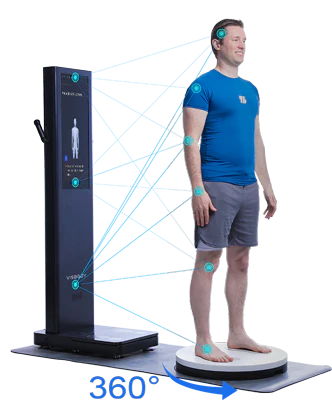
A tool that produces a three-dimensional (3D) image of the human body is a 3D body scanner. It accurately creates an image of a person’s body with all its natural curves and bumps by using advanced technology to quickly and accurately gather hundreds of thousands of data points. The resulting scan provides extra information, including biometrics, subcutaneous fat measures, medidas de circunferência, e relatórios de progresso, and it captures more detail than a typical mirror reflection. By better understanding their bodies, people can work towards specific health objectives like weight loss or cellulite reduction. Giving consumers feedback on their progress over time might help them stay motivated as they work towards a better quality of life.
Tracking Your Progress and Setting Goals
The importance of setting realistic goals and tracking your progress
Your route to well-being must include fitness goals. Setting objectives can help you push through the most challenging times to make a change that will stay longer, hold yourself more accountable, and demonstrate to yourself what you are capable of.
How to use Visbody to monitor changes in your body composition and fitness level
The Visbody uses advanced technology, precisoanálise de composição corporal, supports shoulder function assessment, gesture recognition, and much more when compared to other3Scanners corporais D.
You can useViscorpo to regularly monitor changes in your body composition, save the test reports, and record and track your body status based on this data to determine if your fitness plan is appropriate.
Developing a personalized workout plan based on your goals and capabilities
One of the best things you can do for your health is to start a workout program. Exercise can help you lose weight, increase your balance and coordination, lower your risk of developing chronic diseases, and even enhance your sleep patterns and self-worth. There is other good news. A fitness programme can be initiated in only five simple steps.
Determine your level of fitness
You likely have some concept of your level of fitness. No entanto, calculating and documenting your baseline fitness scores can provide you with standards to compare your development. Consider recording: To evaluate your flexibility, physical strength, e composição corporal:
- Your heart rate before and right after a mile (1.6 km) of walking
- How much time it takes to run 1.5 milhas (2.41 km) or stroll 1 mile
- How many pushups, either regular or modified, can you perform at once
- How far can you stretch your legs out in front of you when seated on the floor?
- your waist’s measurement at the top of your hips
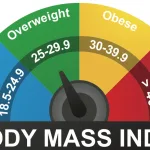
- The BMI you’re at.

Crie seu plano de exercícios
It’s simple to state that you’ll work out each day. You’ll need a plan, no entanto. Remember the following when you create your workout program: Make a balanced routine. Pegar 75 minutes of vigorous aerobic exercise, 150 minutes of moderate aerobic exercise, or a combination of the two each week. The instructions advise spreading out this activity over a week. At least 300 minutes per week are advised to promote even more significant health benefits and help with weight loss or maintaining weight loss.
Comece pequeno e mova-se lentamente
When you first start exercising, proceed carefully and with caution. Consult your doctor or an exercise therapist for assistance in creating a fitness regimen that gradually increases your range of motion, força, and endurance if you have an injury or a medical condition.
Inclua exercícios em sua rotina diária
Finding the time to work out might be difficult. Make it simpler by scheduling exercise time like any other appointment.
Considere incluir uma variedade de atividades
Cross-training helps prevent exercise boredom by mixing up your workouts. Using low-impact exercises like biking or water exercise as cross-training decreases your risk of overusing a particular muscle or joint or getting injured. Plan to alternate between exercises that target various body regions, such as walking, natação, and strength training.
Considere o treinamento intervalado de alta intensidade.
You engage in brief bursts of high-intensity exercise during high-interval intensity training, followed by recovery intervals of low-intensity exercise.
Reserve tempo para descanso
Many people begin working out with excessive passion, working out for too long or too hard, and then giving up when their muscles and joints start to hurt or feel sore—schedule recovery and rest periods for your body between workouts.
Você poderia colocar isso por escrito?
Having a documented plan in place could help you stay motivated.
Referências
- van Hooff, M. EU., Benthem de Grave, R. M., & Geurts, S. A. (2019). Sem dor, sem ganho? Recovery and strenuousness of physical activity. Journal of Occupational Health Psychology, 24(5), 499.
- Louco, D. (2020). No Pain, No Gain: Examining the Daily Routines and Health of Esports Professionals (Dissertação de doutorado, Northeastern University).
- Kuriyama, S. (2019). “No Pain, No Gain” and the History of Presence. Representations, 146(1), 91-111.
- Lovász, eu. (1993). Combinatorial problems and exercises(Vol. 361). American Mathematical Soc.
- Bacon, EU., Bacon, EU., & Aphramor, eu. (2014). Body respect: What conventional health books get wrong, leave out and need help understanding the weight. BenBella Books, Inc..
- Van Heugten, K. (2011). Social work under pressure: How to overcome workplace stress, fatigue and burnout. Jessica Kingsley Publishers.
- Bahr, R., & Krosshaug, T. (2005). Understanding injury mechanisms: a key component of preventing injuries in sport. British Journal of sports medicine, 39(6), 324-329.
- Hides, J.. A., Jull, G. A., & Richardson, C. A. (2001). Long-term effects of specific stabilizing exercises for first-episode low back pain. Coluna, 26(11), e243-e248.