
Índice
Introdução
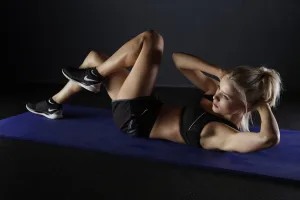
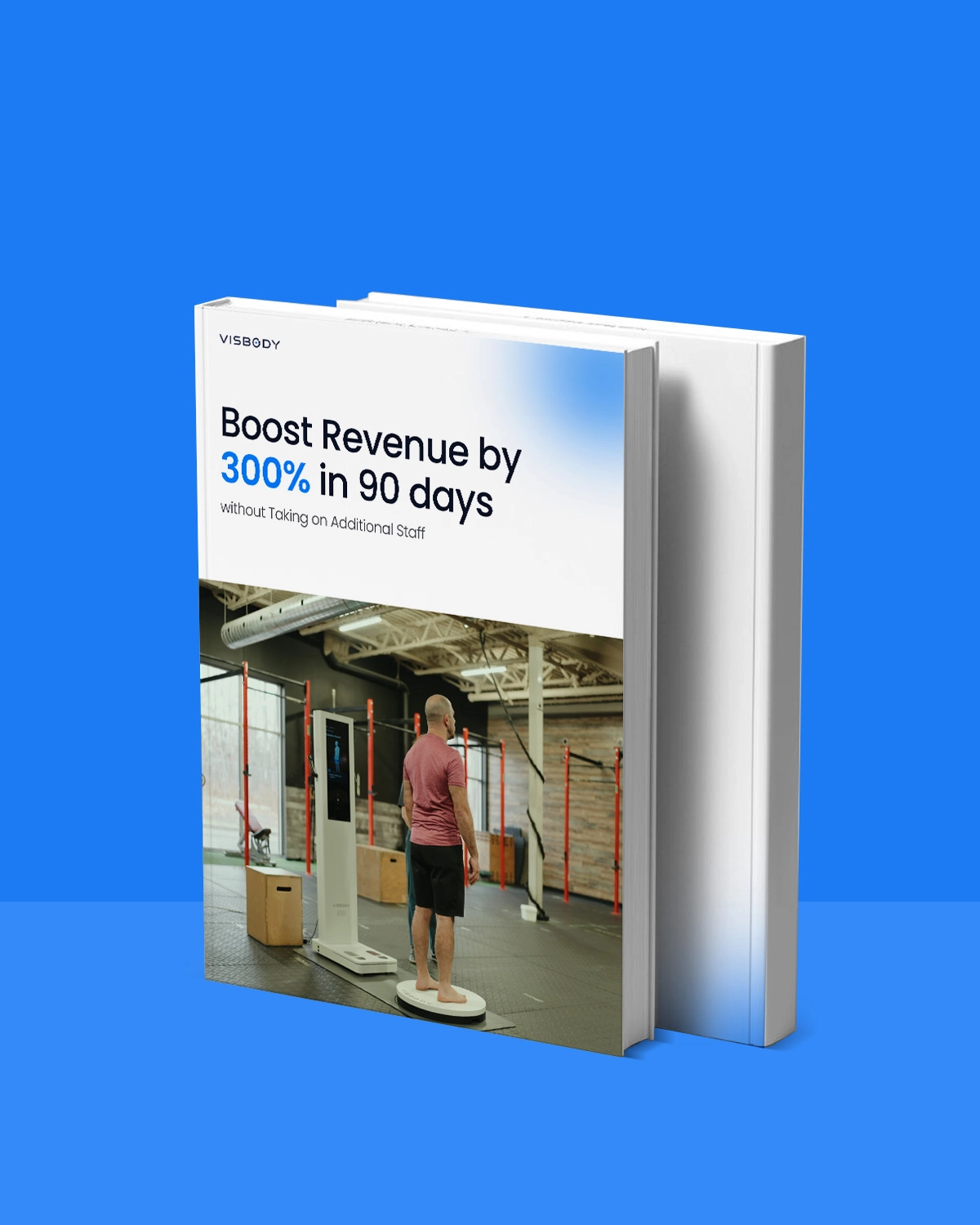
Pilates has long been hailed as a successful rehabilitation technique, especially for people with musculoskeletal conditions. This workout program, created by Joseph Pilates, has a strong emphasis on flexibility, core strength, and overall body alignment. Pilates rehabilitation programs have historically placed a strong emphasis on the instructor’s experience and the patient’s subjective input. But there’s a great chance to improve these programs’ efficacy thanks to technological improvements. The state-of-the-art 3D body scanner Visbody S30 is one example of such technological breakthrough. This paper examines how using the Visbody S30 can transform Pilates therapy and provide patients with musculoskeletal diseases with more individualized and precise treatment regimens.
Understanding Musculoskeletal Disorders
Diseases affecting the bones, músculos, ligamentos, tendões, and nerves are often referred to as musculoskeletal disorders, or MSDs for short. These conditions are extremely common, hurting millions of people globally and severely lowering their quality of life. Back discomfort, escoliose, artrite, and ankylosing spondylitis are examples of common MSDs. Effective rehabilitation techniques are necessary to control symptoms and enhance general health because these diseases frequently result in chronic pain, limited mobility, and diminished functional capacity.
1. Prevalence and Impact of MSDs
One of the main causes of disability in the world is MSDs. The World Health Organization states that the primary cause of disability globally is back pain alone [1]. MSDs have a significant financial impact, with annual expenses in the billions of dollars for medical care, lost productivity, and disability payments [2]. The prevalence of these illnesses is demonstrated by the fact that the Centers for Disease Control and Prevention (CDC) in the United States report that approximately 30% of adults suffer from chronic back pain.
2. Common Musculoskeletal Disorders
– Escoliose: This disorder is characterized by an abnormal lateral curvature of the spine, qual, in severe cases, can result in pain, breathing problems, and physical deformities. For scoliosis to be effectively managed, early detection and intervention are essential.
– Back Pain: Commonly brought on by strained muscles, bad posture, or degenerative diseases like osteoarthritis. Effective rehabilitation techniques are crucial since chronic back pain can significantly restrict everyday activities.
– Ankylosing Spondylitis: Ankylosing spondylitis is a kind of arthritis that mostly affects the spine, causing pain, inchaço, and sometimes even vertebral fusion. Se não for tratado, this illness can negatively affect mobility and quality of life.
The Pilates Method in Rehabilitation
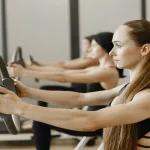
Pilates is a well-known method for MSD rehabilitation because of its capacity to enhance strength, flexibilidade, e postura. Ao controle, atenção, centralização, flow, precisão, and breathing are the fundamental Pilates concepts that perfectly correspond with the objectives of musculoskeletal rehabilitation.
1. How Pilates Aids in Rehabilitation
– Fortalecimento do núcleo: Pilates movements concentrate on building the deep abdominal muscles, which can help with back discomfort and are essential for supporting the spine. Sustaining good posture and lowering the chance of injury require a strong core.
– Flexibility and Mobility: Pilates’ methodical, gentle motions improve joint mobility and flexibility, all of which are critical for treating diseases like ankylosing spondylitis. Enhanced range of motion and prevention of muscular stiffness are two benefits of increased flexibility.
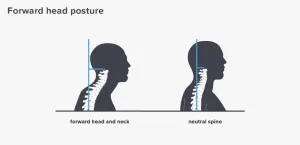
– Correção de Postura: Pilates helps address postural abnormalities that contribute to pain and dysfunction by raising awareness of proper body alignment. Maintaining good posture keeps the musculoskeletal system from being overworked and keeps pre-existing conditions from getting worse.
– Low Impact: Due to their low impact nature, Pilates exercises are appropriate for people of all physical abilities, including those recuperating from injuries. With this tactful approach, rehabilitation exercises are guaranteed not to worsen pre-existing ailments.
2. Benefits of Pilates in Rehabilitation
– Improved Muscle Strength and Tone: Pilates concentrates on certain muscle groups, which enhances general muscular tone and strength, supporting joint stability and lowering discomfort.
– Enhanced Body Awareness: Pilates helps people analyze and improve their movement patterns by enhancing body awareness through mindful movement and focus.
– Redução do estresse: Breathing exercises that encourage relaxation and stress reduction are incorporated into Pilates, which is advantageous for people with chronic pain.
Enhancing Pilates with Visbody S30
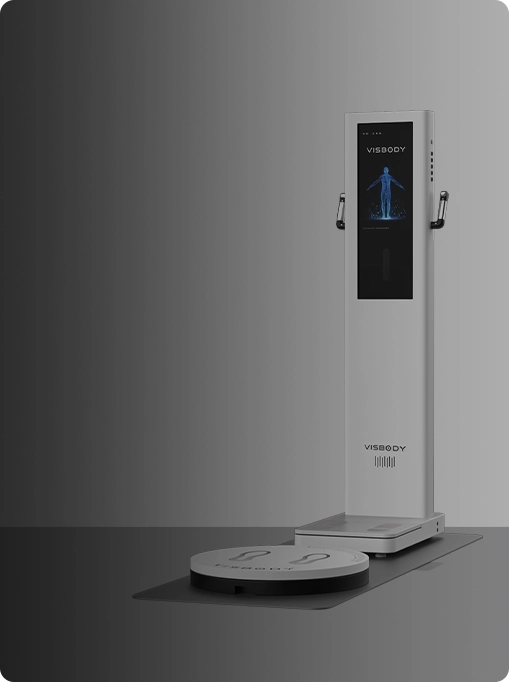
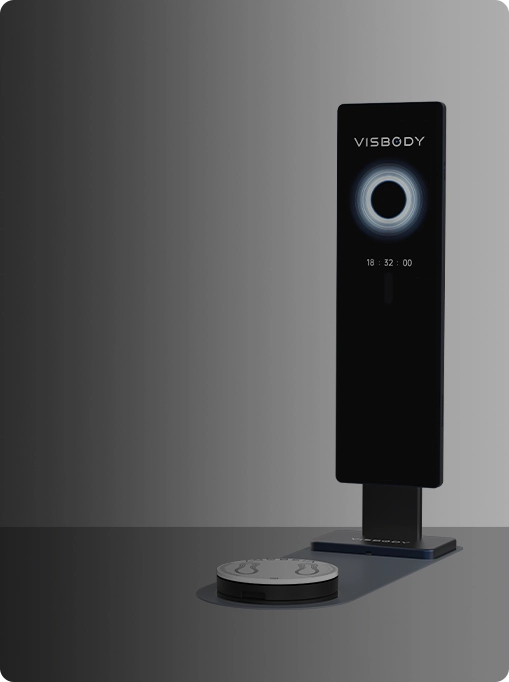
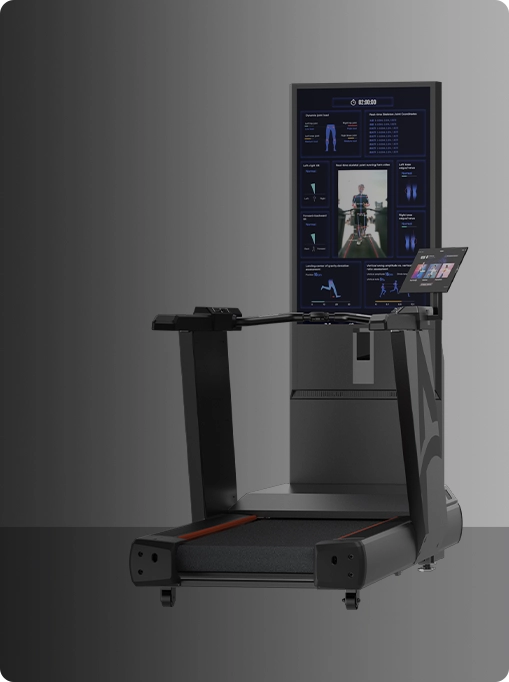
The state-of-the-art Visbody S30 3D body scanner is made to measure the human body accurately and thoroughly. Being able to record precise information on muscle mass, composição do corpo, and posture makes it a very useful tool for Pilates rehabilitation.
1. How the Visbody S30 Works
O Visbody S30 generates a precise, three-dimensional avatar of the body by employing cutting-edge 3D reconstruction technology. Precise study of multiple bodily metrics, como massa muscular, percentual de gordura corporal, and alignment of the posture, is made possible by this thorough portrayal. High-precision sensors and cameras built into the apparatus guarantee the quality and dependability of the measurements. O Visbody S30‘s technology consists of taking several pictures of the body from various perspectives and then reconstructing these pictures into a detailed three-dimensional model using complex algorithms.
– High-Precision Sensors: Equipped with 8-point tactile electrodes and 3-frequency BIA technology (5, 50, 250 kHz), Visbody provides precise and reliable data for a comprehensive understanding of body status.
– Detailed Body Evaluation: A thorough study of body composition, incluindo massa muscular, percentual de gordura corporal, and posture alignment, is offered by the Visbody S30.
2. Features Relevant to Rehabilitation
– Precise Posture Analysis: O Visbody S30 is able to identify minute postural abnormalities that could be a factor in musculoskeletal pain. This makes it possible to use Pilates movements for focused correction. Pilates instructors can directly address imbalances by recognizing specific locations and creating routines that target those difficulties.
– Body Composition Tracking: Recognizing variations in body fat and muscle mass might assist in customizing rehabilitation regimens to each patient’s requirements. For the purpose of creating individualized workout regimens that maximize recuperation and general health, this information is essential.
– Monitoramento do Progresso: Regular monitoring of a patient’s development is made possible by the device, which facilitates prompt modifications to the rehabilitation plan. This continuous evaluation guarantees that the rehabilitation program will continue to be efficient and adaptable to the patient’s changing requirements.
3. Benefits of Using Visbody S30 in Pilates Rehabilitation
– Tailored Exercise Adjustments: Through the provision of comprehensive data on posture and body composition, o Visbody S30 assists Pilates instructors in creating highly customized workout plans. These customized modifications guarantee that every workout addresses the unique requirements of the patient and promotes more efficient recovery.
– Enhanced Accuracy: More successful results result from rehabilitation activities that are tailored to the individual’s demands thanks to the accurate measurements provided by the Visbody S30. Precise information facilitates enhanced monitoring of advancement and more knowledgeable choices about adjusting exercise regimens.
– Objective Feedback: The tool improves the feedback loop between the teacher and the student by providing objective, quantitative data. Patients are better able to comprehend their development and the results of their efforts with the assistance of this unbiased feedback, which increases their motivation and program adherence.
– Motivation and Engagement: Observing concrete proof of improvement helps encourage patients to follow through on their recovery plans and maintain their interest. For patients, the 3D avatar’s visual depiction of their development can be especially uplifting, highlighting the advantages of their diligent efforts.
Conclusão
A noteworthy development in the realm of musculoskeletal rehabilitation is the use of the Visbody S30 3D body scanner into Pilates rehabilitation programs. This cutting-edge equipment offers detailed, accurate data that can improve the precision and potency of Pilates exercises. For patients with musculoskeletal diseases, o Visbody S30 can help improve outcomes by customizing rehabilitation programs to meet their specific needs. Adoption of such state-of-the-art equipment will be critical in providing individualized, efficient care and eventually enhancing the quality of life for countless individuals as the prevalence of these disorders continues to climb.
Para concluir, the seamless integration of technology such as the Visbody S30 holds the key to the future of Pilates rehabilitation. This potent fusion of cutting-edge technical innovation and conventional workout principles has the potential to completely transform how we approach musculoskeletal healing. O Visbody S30‘s capabilities will enable us to create more individualized, targeted, and accurate rehabilitation programs that produce observable, quantifiable outcomes.