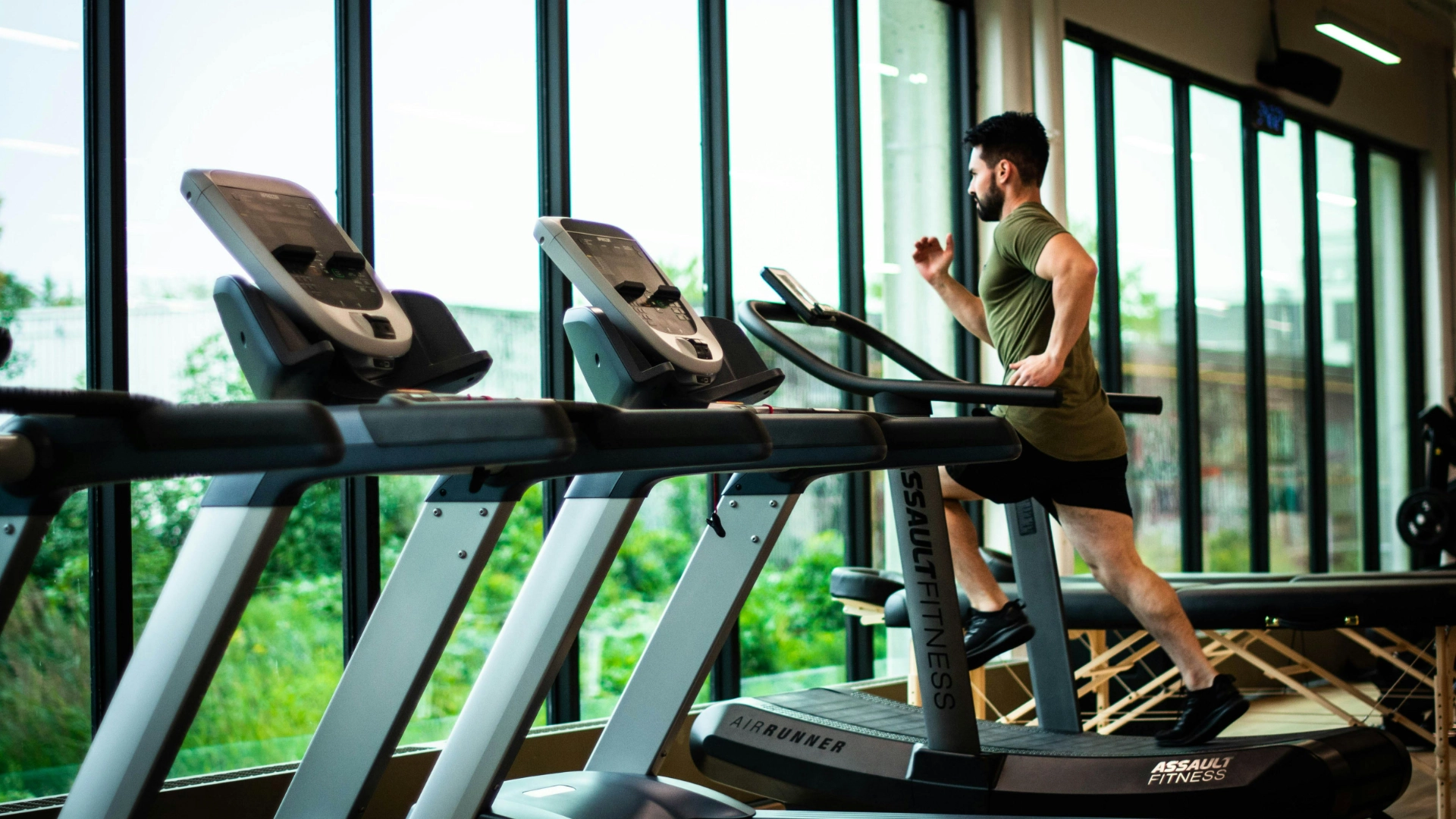
Uma investigação da capacidade muscular é de extrema importância para pessoas envolvidas em fitness e reabilitação., pois oferece insights abrangentes sobre a força muscular, resistência, and general physical condition. These assessments are crucial for creating customized training and recuperation regimens that address the specific requirements of each person.
Thorough muscle assessments allow for the development of customized programs that target specific weaknesses, improve performance, and reduce the risk of accidents, guaranteeing the best results for both fitness enthusiasts and individuals in rehabilitation (Aasa et al., 2017).
Índice
The Significance Of Muscle Capacity Analysis
Muscle capacity analysis serves as more than a mere diagnostic tool; it provides a means to comprehend one’s physical talents and constraints. Through the examination of muscular strength and endurance, individuals can obtain a full assessment of their physical well-being.
Comprehending this concept is crucial for individuals seeking to enhance their physical fitness, recuperate from accidents, or uphold their overall well-being. The information derived from muscle capacity analysis can be utilized to customize training regimens that optimize strengths and target weaknesses, guaranteeing a well-rounded and efficient fitness program (Kraemer & Ratamess, 2004).
Benefits Of Personalized Training And Recovery
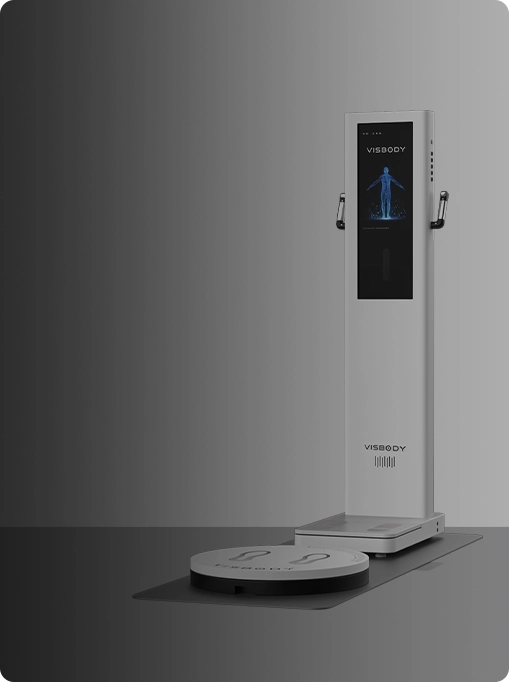
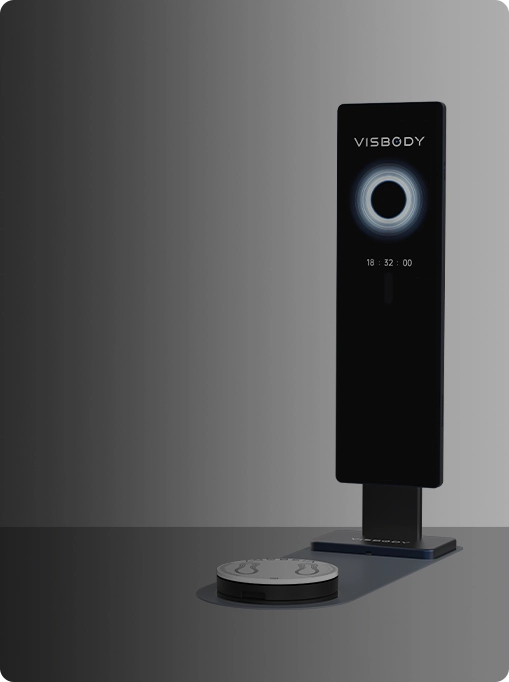
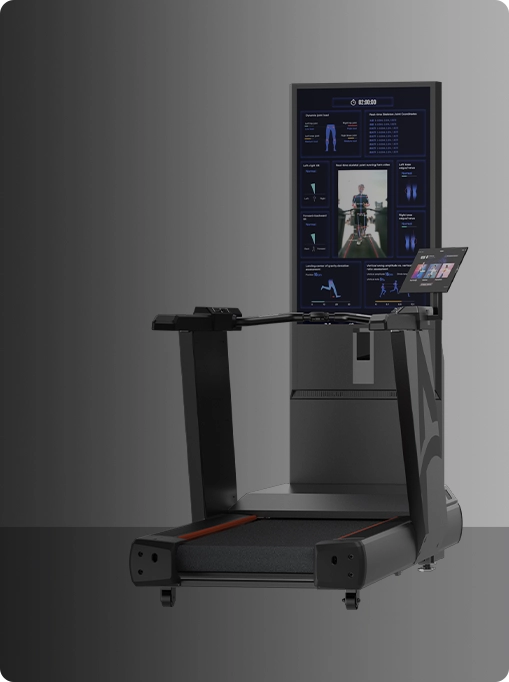
For fitness enthusiasts, comprehensive evaluations of muscular capacity using Visbody T30 can pinpoint specific areas that require strength training, maximizing workout effectiveness. For those undergoing rehabilitation, these assessments are crucial in tracking progress and adjusting treatment plans.
Therapists can expedite recovery and reduce re-injury risks by identifying muscle weaknesses and implementing precise therapies. Visbody T30’s individualized training and recovery plans ensure each person’s specific needs are addressed, leading to improved health outcomes. This detailed analysis supports tailored interventions, enhancing both fitness and recovery efforts.
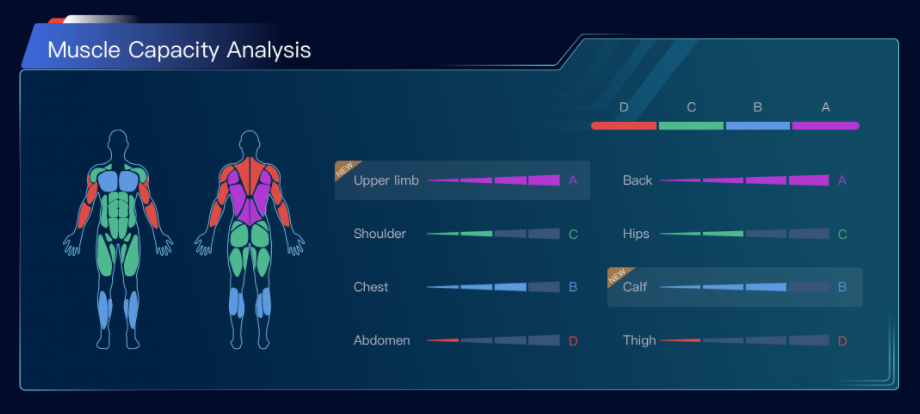
Upper Limb Analysis
- Details
Upper limb analysis entails quantifying the power and stamina of the arms and shoulders. This examination is essential for identifying areas that require improvement and guiding individuals in activities that enhance upper body strength. Through the assessment of the muscular performance in the arms and shoulders, fitness experts can acquire vital knowledge about an individual’s upper body strength and capability (Harman et al., 2008).
- Value for Individuals
ndividuals must have a thorough awareness of the strength and capability of their upper limbs in order to effectively do workouts that require lifting, pushing, and pulling. This study aids in identifying areas of weakness, promoting symmetrical muscle growth, and enhancing total upper body performance.
Robust upper extremities are essential for everyday tasks such as transporting groceries, raising offspring, and executing diverse domestic chores. Além disso, in the context of sportsmen, having strong upper limbs is crucial for achieving optimal performance in sports such as swimming, basketball, and tennis (Bampouras et al., 2012).
- Value For Gyms And Clinics
Upper limb analysis is a valuable tool for gyms and clinics as it helps trainers develop customized programs that improve upper limb strength. Isto é essencial para indivíduos envolvidos em esportes que exigem força robusta nos braços e ombros., bem como para tarefas diárias. Os treinadores podem criar programas de treino personalizados direcionados aos braços e ombros para aumentar a força e a resistência, resultando em melhor desempenho e diminuição das chances de lesões (Morrow et al., 2011).
Back Muscle Capacity
- Details
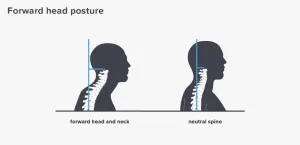
A avaliação da capacidade muscular das costas avalia principalmente a robustez e resistência dos músculos das costas. Esta avaliação é crucial para preservar o alinhamento corporal adequado, evitando lesões na coluna, e garantindo a estabilidade geral. Músculos dorsais robustos são necessários para reforçar a coluna vertebral e manter uma postura saudável, um fator essencial para tarefas rotineiras e proezas atléticas (McGill, 2013).
- Value for Individuals
Strong back muscles are essential for individuals to maintain general stability and prevent injuries. A sturdy backrest provides ample support to the spine, hence minimizing the likelihood of discomfort and improving overall posture.
This is especially crucial for individuals who spend extended periods of time seated at a desk or participating in activities that exert pressure on the back. By comprehending the capacity of their back muscles, individuals can proactively enhance these muscles, consequently enhancing their posture and decreasing the probability of experiencing back pain (Hides et al., 2008).
- Value for Gyms and Clinics
Back muscle capacity analysis is used in gyms and clinics to guide the development of activities that aim to strengthen the back. This is particularly advantageous for customers who already have back discomfort or those who are seeking to enhance their posture and overall back well-being.
Trainers and therapists can utilize the data obtained from these assessments to create customized exercise regimens that target the individual requirements of each client, resulting in enhanced results and a higher standard of living (Stokes et al., 2005).
Shoulder And Chest Analysis
- Details
This analysis evaluates the muscular strength and weakness in the shoulders and chest. Through the assessment of muscular performance in the shoulders and chest, fitness experts can acquire significant knowledge about an individual’s upper body capability and overall physical power (Lehman et al., 2006).
- Value for Individuals
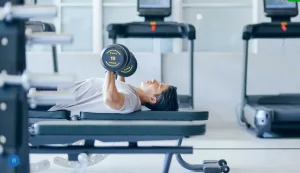
To achieve a well-rounded upper body strength, it is important for individuals to focus on certain muscle groups in the shoulders and chest. It is crucial for actions such as lifting, throwing, and ensuring shoulder stability. Robust deltoids and pectoral muscles are crucial for a diverse array of physical endeavors, encompassing both mundane actions such as hoisting weighty objects and sporty pursuits like engaging in sports (Anderson et al., 2013).
- Value for Gyms and Clinics
Gyms and clinics utilize shoulder and chest analysis to develop tailored training programs that specifically target shoulder stability and chest strength. These programs aid in injury prevention and enhance performance in a wide range of physical activities. Trainers can enhance their clients’ strength and minimize the likelihood of injury by comprehending their individual requirements and designing workout regimens that focus on the shoulders and chest (Page et al., 2010).
Abdominal And Thigh Capacity
- Details
This examination evaluates the muscular strength of the abdominal muscles and thighs, which play a vital role in maintaining overall stability and enhancing power in the lower body. Through the assessment of the muscular performance in the abdominal and thigh regions, fitness experts can acquire significant information about an individual’s strength and endurance in their core and lower body (Nuzzo et al., 2008).
- Value for individuals
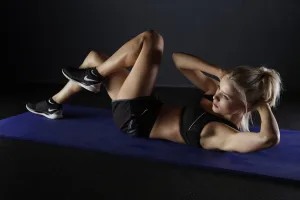
Core stability and lower body strength rely heavily on well-developed abdominal and thigh muscles. This is crucial for engaging in activities such as running, leaping, and sustaining equilibrium. A robust core provides support to the spine and aids in injury prevention, while well-developed thigh muscles are essential for enhancing lower body strength and stamina. By comprehending the capacity of their abdominal and thigh muscles, persons can proactively take measures to enhance these muscles, resulting in enhanced performance and decreased likelihood of injury (Fredericson & Moura, 2005).
- Value for Gyms and Clinics
Abdominal and thigh capacity analysis is crucial for gyms and clinics to build programs that focus on the core. These programs are advantageous for both persons who are passionate about fitness and those who are undergoing rehabilitation. Trainers can enhance strength and minimize the chances of injury by designing workout routines that focus on the core and thighs, based on a thorough awareness of their customers’ individual requirements (Akuthota & Nadler, 2004).
Hip And Calf Muscle Analysis
- Details
This assessment centers on the ability of the hip and calf muscles, which are vital for lower body mobility and stamina. Through the assessment of muscular function in the hip and calf regions, fitness experts can acquire useful knowledge about an individual’s lower body capability.
The hips serve as a pivotal location for various movements, offering stability and enabling a broad spectrum of motions, including walking, correndo, and more intricate athletic maneuvers.
The calves, por outro lado, have a significant impact on activities that necessitate strength and stamina, such as running, leaping, e ciclismo. Coletivamente, these muscular groups play a substantial role in enhancing lower body strength and functionality, which directly affects an individual’s capacity to carry out everyday duties and specific athletic endeavors (Hébert-Losier et al., 2012).
- Value for Individuals
Strong hip and calf muscles are crucial for persons engaging in activities that demand lower body strength and endurance. This include activities such as running, pulando, and other kinetic movements that heavily depend on the strength and steadiness offered by these muscles.
Robust hip and calf muscles are crucial for preserving mobility and reducing the risk of injuries, especially in physical activities that require frequent lower body motion. Enhancing the strength of these muscles can improve overall movement efficiency, resulting in activities feeling less strenuous and fatiguing (Delp et al., 1990).
- Value for Gyms and Clinics
Gyms and clinics utilize hip and calf muscle analysis to provide targeted programs that improve hip mobility and calf strength. These programs are advantageous for individuals who engage in running activities and those who are in the process of recuperating from injuries in the lower limbs.
Trainers can enhance performance and minimize the risk of injury by tailoring workout programs to address the individual requirements of their clients, focusing on the hips and calves. Customized training regimens for athletes can specifically target enhancing power, velocity, e resistência, resulting in improved performance in their particular sports. Rehabilitation patients can benefit from targeted exercises that promote the restoration of muscular strength and function, thereby reducing the risk of future injuries and accelerating the return to regular activities. Além disso, having robust hip and calf muscles is crucial for maintaining correct biomechanics and posture. (MacIntosh et al., 2012).
Conclusão
Assessing muscle capacity is an important tool for both persons who are passionate about fitness and those who are undergoing rehabilitation. By offering comprehensive analysis of muscular strength and endurance, it facilitates the development of customized training and recovery strategies. (Aasa et al., 2017).
Referências
– Aasa, VOCÊ., Svartholm, EU., Andersson, F., & Berglund, eu. (2017). “Injuries and Overuse Syndromes in Powerlifting: A Comparison of Elite and Subelite Power lifters.” Jornal de Pesquisa de Força e Condicionamento, 31(3), 837-844.
– Akuthota, V., & Nadler, S. F. (2004). “Core Strengthening.” Archives of Physical Medicine and Rehabilitation, 85(3), 86-92.
– Anderson, K., & Behm, D. G. (2005). “Trunk Muscle Activity Increases with Unstable Squat Movements.” Canadian Journal of Applied Physiology, 30(1), 33-45.
– Bampouras, T. M., Cron, N. J., & Warmington, S. A. (2012). “Upper and Lower Body Strength and Power in Masters’ Level Athletes.” Journal of Aging and Physical Activity, 20(2), 234-243.
– Delp, S. EU., Loan, J.. P., Hoy, M. G., Zajac, F. E., Topp, E. EU., & Rosen, J.. M. (1990). “An Interactive Graphics-Based Model of the Lower Extremity to Study Orthopaedic Surgical Procedures.” IEEE Transactions on Biomedical Engineering, 37(8), 757-767.
– Fredericson, M., & Moura, T. (2005). “Muscular Balance, Core Stability, and Injury Prevention for Middle- and Long-Distance Runners.” Physical Medicine and Rehabilitation Clinics of North America, 16(3), 669-689.
– Harman, E., Gutekunst, D. J., Frykman, P. N., Nindl, B. C., Alemany, J.. A., Mello, R. P., & Afiado, M. A. (2008). “Effects of Two Different Eight-Week Training Programs on Military Physical Performance.” Jornal de Pesquisa de Força e Condicionamento, 22(2), 524-534.
– Hébert-Losier, K., Holmberg, H. C., & Gould, D. (2012). “Muscle Activity during the Power Pull in Weightlifting: A Review.” Jornal de Pesquisa de Força e Condicionamento, 26(4), 1134-1140.
– Hides, J.. A., Stanton, C. R., Freke, M., Wilson, S., McMahon, S., & Richardson, C. A. (2008). “Rehabilitation of Multifidus Muscle Dysfunction in Low Back Pain: A Multicenter Randomized Controlled Trial.” Coluna, 33(10), 226-232.
– Kraemer, C. J., & Ratamess, N. A. (2004). “Fundamentals of Resistance Training: Progression and Exercise Prescription.” Medicine and Science in Sports and Exercise, 36(4), 674-688.
– Lehman, G. J., Hoda, C., & Oliver, S. (2006). “Trunk Muscle Activity during Bridging Exercises on and off a Swissball.” Chiropractic & Osteopathy, 14(1), 1.
– MacIntosh, B. R., Neptune, R. R., & Horton, J.. F. (2000). “Cadência, Poder, and Muscle Activation in Cycle Ergometry.” Medicine and Science in Sports and Exercise, 32(7), 1281-1287.
– McGill, S. M. (2013). “Low Back Disorders: Evidence-Based Prevention and Rehabilitation.” Cinética Humana.
– Morrow, J.. R., Jackson, A. C., Disch, J.. G., & Mood, D. P. (2011). “Measurement and Evaluation in Human Performance.” Cinética Humana.
– Nuzzo, J.. EU., McBride, J.. M., Cormie, P., McCaulley, G. Ó., & Newton, R. você. (2008). “Trunk Muscle Activity during Stability Ball and Free Weight Exercises.” Jornal de Pesquisa de Força e Condicionamento, 22(1), 95-102.
– Página, P., Frank, C. C., & Lardner, R. (2010). “Assessment and Treatment of Muscle Imbalance: The Janda Approach.” Cinética Humana.
– Raschka, C., Raschka, S., & Froboese, EU. (2015). “Muscle Injuries in Professional Basketball.” Journal of Sports Medicine and Physical Fitness, 55(7-8), 774-784.
– Stokes, M., Rankin, G., Newham, D. J., & Hides, J.. A. (2005). “Ultrasound Imaging of Lumbar Multifidus Muscle: Normal Reference Ranges for Measurements and Practical Guidance on the Technique.”Terapia Manual, 10(2), 116-126.