
Você sabia que mais de um bilhão de pessoas no mundo são obesas?, e a taxa está aumentando exponencialmente com a mudança dos hábitos alimentares? O que é pior? Unlike other common health disorders, obesity progresses with time, leading to severe consequences.
Whether it’s type 2 diabetes, doença cardíaca, or cancer, Obesity is strongly linked to every acute and chronic body disorder. Portanto, it is the need of the hour that you start taking it seriously if you want to live a healthier life ahead.
The best way to maintain a healthy lifestyle is by developing a deeper understanding of obesity and how it is related to severe health conditions. This article delves deeper into the effects, sintomas, and diagnosis methods of obesity so you can get back to normal life.
Índice
Compreendendo a obesidade: Classification and Symptoms
Let’s begin with the basic concept of what obesity means. Geralmente, when excessive fat is stored in your body cells, specifically adipose tissues, and you start feeling overweight, that’s how you define an obese person. It simply means having too much body mass than usual. It is a prevalent disease, with one in every eight people being obese in the World. Enlisted below are some of its common symptoms:
- Breathlessness
- Increased sweating
- Feeling tired
- Joint or back pain
- Low self-esteem
Apart from these general signs, doctors can diagnose obesity based on the following body measurements:
- Excess amount of abdominal fat
- A body mass index (IMC) of over 30
- A waist circumference higher than 40 inches for men and 35 inches for women
How is Obesity Classified?
Being a highly common disease, obesity comes in multiple variants. Based on the body mass index value, it is classified into the following categories:
- Underweight: Having a BMI of 18.5 or low
- Overweight: BMI of 25 para 30
- Class I Obesity: BMI of 35 para 40
- Class II Obesity: BMI of 40 para 45
- Class III Obesity or Morbid Obesity: BMI of 40 ou superior
Morbid or Class III Obesity is a complex chronic disease in which the affected person experiences severe health conditions, leading to medical complications. Além do mais, there is another category of obesity diagnosed in children over 2 years or teenagers. To assess childhood obesity, a doctor examines the body mass index value. If it’s above the 95th percentile or greater, it’s a sign that the child is overweight or at risk of obesity-related health issues.
How Does Obesity Affect My Body?
1. Metabolic Changes
2. Direct Effects
3. Indirect Effects
How is Obesity Diagnosed?
1. IMC (Índice de massa corporal)
Índice de massa corporal, também conhecido como IMC, é outro método comumente usado para medir a gordura corporal e a composição corporal geral. Leva em consideração sua altura e peso para determinar seu estado de saúde. Com a ajuda do valor do IMC, você pode acompanhar o progresso do seu corpo e fazer uma revisão da sua composição corporal.
No entanto, it is important to note that BMI does not measure your body fat directly; it predicts results based on height and weight calculations. A high BMI value means excessive fat is stored in the body, while a lower BMI indicates underweight. The average BMI value ranges from 18.5 para 29.4 for healthy men and women.
2. Skinfold Thickness Tests
3. Relação cintura-quadril
4. Varreduras DEXA
5. Ultrasounds, CT Scans, and MRI Scans
Com os avanços da tecnologia, métodos novos e inovadores estão sendo introduzidos para diagnosticar a obesidade. Agora, ultrassonografias de alto desempenho podem ser realizadas para indicar a obesidade de uma pessoa. Esta máquina de digitalização verifica a anatomia abdominal e, assim, fornece detalhes precisos sobre o estado de saúde do corpo.
De forma similar, radiologistas realizam tomografia computadorizada(Tomografia Computadorizada) exames para avaliar o percentual de gordura corporal. Esta varredura mede o peso e o tamanho extras para fornecer informações sobre a saúde de uma pessoa. Uma varredura mais avançada chamada ressonância magnética ou (Imagem por ressonância magnética) também é feito usando ondas de rádio geradas por computador para obter uma imagem detalhada dos órgãos do corpo.
6. Additional Health Risk Tests
The diagnosis of obesity is a broad aspect, taking into account various methods and scanning procedures. Besides the simple body mass index and fat evaluation techniques, here are some additional tests that can help in the diagnosis process:
- Blood Tests
- Liver Function Tests
- Diabetes Screening
- Thyroid Tests
- Heart Tests (por exemplo., ECG/EKG)
Using Visbody Body Composition Analyzer for a Comprehensive Analysis
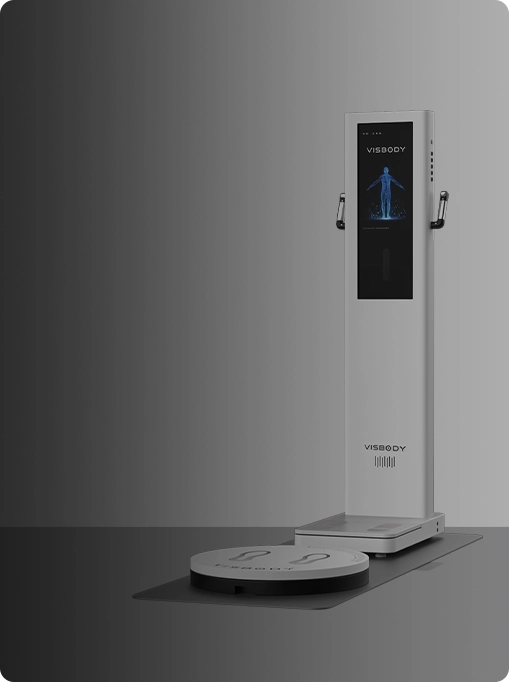
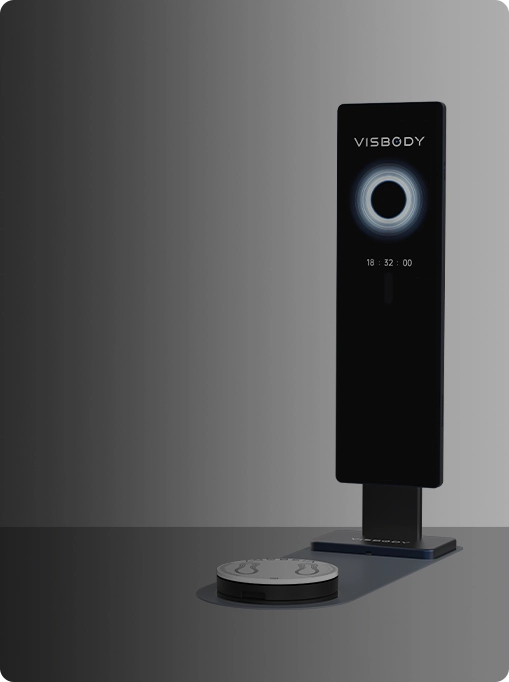
Although the diagnosis methods discussed above are highly efficient in their work, they come with certain limitations. Por exemplo, o método do índice IMC não mede sua massa muscular nem avalia seu percentual de massa óssea. Portanto, you need to look for a reliable and latest scanner to measure the body fat percentage and assess obesity. Here comes the Visbody 3D Scanner Machine.
It is an innovative body scanner device that considers your lean body mass, massa muscular, e 13 medidas de circunferência corporal. Além disso, it measures body weight, tamanho, relação cintura-quadril, gordura visceral, e gordura segmentar. Não apenas isso, mas também avalia 9 diferentes avaliações de postura e, em seguida, gera um relatório preciso com base nos resultados da verificação. Os avatares corporais 3D ajudam a produzir imagens totalmente precisas e 100% dados precisos do seu físico completo. Here are some key features of the Visbody scanner that help in evaluating obesity:
- It generates a 3D body avatar using human image scanning technology.
- This full-body 3D scanner takes 13 medidas de circunferência corporal, incluindo pescoço, coxa esquerda e direita, e circunferência da panturrilha esquerda e direita.
- It provides specific treatment plans that are tailored to the needs of people suffering from obesity or health-related conditions.
Descubra nossas soluções
Concluindo: Treatment and Prevention of Obesity
Conclusivamente, obesity is beyond just a health disorder. It can lead to severe health complications resulting in the death of a person. Portanto, it is advised to maintain a healthy lifestyle such as exercise, eating a weight loss diet, and taking other practical measures to treat this clinical disease.
Fixing your sleep schedules and avoiding processed foods can also help prevent obesity. Além do mais, it is always great to consult your doctor and use medications to limit your body weight.