
Löpning är en viktig mänsklig aktivitet som har utvecklats från sitt grundläggande ursprung i överlevnad till en mångsidig sysselsättning som inkluderar sport, underhållning, och kondition. Almost anyone can engage in this organic form of physical activity, which does not necessitate any particular equipment to commence.
Ändå, the apparent ease of running masks the intricate biomechanical processes at play. Thanks to recent technological and scientific progress in the field of sports, we now possess a more comprehensive comprehension of biomechanics. This has led to notable improvements in performance and a substantial decrease in the likelihood of injuries (Ferber et al., 2016). Biomechanical examinations have become indispensable for runners seeking to enhance their performance and preserve their well-being. These evaluations, especially those performed using advanced technology like AI treadmills and sophisticated running machines, offer comprehensive and practical information about a runner’s posture and effectiveness (Nigg et al., 2017).
The utilization of artificial intelligence has significantly transformed the approach to running training and analysis of running form through the incorporation of advanced running coaches and intelligent running analyzers. These tools have the ability to detect and analyze small variations in a runner’s manner of walking or running, and offer customized advice that is essential for making progress (Moore, 2016). An essential component of these biomechanical examinations involves analyzing critical parameters, including Landing Center of Gravity Deviation, Left-Right Tilt, and Forward-Backward Tilt. These factors are crucial for comprehending the complex equilibrium and arrangement necessary for effective running.
The Landing Center of Gravity Deviation measures the runner’s ability to maintain balance and stability as their foot strikes the ground. Under tiden, the Left-Right Tilt examines the runner’s body symmetry and balance. The Forward-Backward Tilt assesses the alignment of the body and the dispersion of the center of mass (Novacheck, 1998).
Innehållsförteckning
Landing Center Of Gravity Deviation Assessment
-Biomechanics Involved
Landning tyngdpunkt (KUGGE) Deviation pertains to the runner’s ability to maintain stability and balance while striking the ground with their foot. When a runner’s foot makes contact with the ground, it is optimal for the center of gravity (KUGGE) to be properly positioned in order to reduce excessive stress on any specific area of the body. An alteration in this alignment can result in instability and worse running mechanics (Ferber et al., 2016).
-Interpretation
A biomechanical evaluation report reveals that a notable departure in the center of gravity (KUGGE) suggests that the runner’s landing is suboptimal. This can occur as either overpronation or supination, characterized by excessive inward or outward rolling of the foot. Overpronation is frequently associated with problems such as shin splints and plantar fasciitis, whereas supination can result in ankle sprains and stress fractures (Nigg et al., 2017).
Recommended Adjustments-Strengthening Exercises:
Prioritize workouts that target the stabilizing muscles, such as the glutes, kalvar, och kärna.
– Footwear: Utilize running shoes specifically engineered to rectify overpronation or supination.
– Technique Training: Participate in exercises that focus on correct foot striking and alignment (Novacheck, 1998).
Left-Right Tilt
-Biomechanics Involved
The Left-Right Tilt quantifies the degree of symmetry and equilibrium in a runner’s physique. Biomechanics plays a vital role in ensuring that both sides of the body participate equally to the running action, which helps minimize asymmetrical loading and subsequent injuries (Moore, 2016).
–Interpretation
An asymmetry in the Left-Right Tilt frequently indicates that one half of the body is making up for deficits or inefficiencies on the opposite side. This may be attributed to muscular imbalances, prior injuries, or incorrect running technique. Asymmetry can result in problems such as iliotibial band syndrome or hip discomfort (Ferber et al., 2016).
–Recommended Adjustments
– Styrketräning: Incorporate unilateral strength training exercises to target and correct muscular imbalances.
– Fysioterapi: Consult with a qualified specialist to have a thorough evaluation and treatment to address any root causes contributing to the imbalance.
– Running Form: Improve running technique by practicing exercises that encourage equal weight distribution and balanced movement patterns (Moore, 2016).
Forward-Backward Tilt
-Biomechanical Analysis
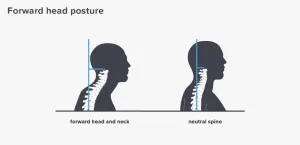
The Forward-Backward Tilt evaluates a runner’s body alignment and the allocation of their center of mass. Maintaining proper posture is essential for optimizing efficiency and minimizing the likelihood of injury. An anterior tilt may indicate a proclivity to excessively lean forward, resulting in stress on the lumbar region, whereas a posterior tilt can indicate an over reliance on the heels, leading to ineffective propulsion (Novacheck, 1998).
-Interpretation
Within a report on running biomechanics, it is possible to observe an excessive anterior tilt in runners that exhibit a stooped posture or lean excessively at the waist. This can result in lumbar discomfort and reduced running performance. Å andra sidan, a backward tilt frequently suggests inadequate activation of the core muscles and can lead to an ineffective running stride (Nigg et al., 2017).
-Recommended Adjustments
– Hållningskorrigering: Participate in activities that encourage correct posture, such as planks and back extensions.
– Kärnförstärkning: Concentrate on activities that target the muscles in your core to improve stability and maintain proper posture when running.
– Running Drills: Engage in running drills that promote an erect posture and correct alignment of the body (Moore, 2016).
Value Of Running Form Reports For Runners
-Enhancing Running Efficiency
Biomechanical examinations offer a thorough examination of a runner’s technique, enabling accurate detection of areas that require enhancement. Through careful analysis of stride mechanics, foot striking patterns, and the balance of left-right and forward-backward tilt, these examinations can uncover inefficiencies that may otherwise remain undetected. Modifying the landing pattern to achieve a more balanced foot strike can greatly diminish the forces that are sent up the leg, thereby preserving energy (Ferber et al., 2016).
Liknande, maintaining a balanced left-right tilt to ensure equal muscle activation can result in a more consistent and effective running stride. Adjusting the forward-backward tilt to maintain an ideal center of gravity improves the efficiency of propulsion and reduces energy loss. Tillsammans, these modifications can optimize the running form, resulting in improved efficiency and superior overall performance (Nigg et al., 2017). Improved running efficiency not only enhances velocity but also diminishes exhaustion, enabling runners to sustain their speed over extended distances and accomplish their training or race objectives (Moore, 2016).
–Preventing Injuries
Biomechanical examinations are highly valuable because they may effectively identify and reduce factors that increase the risk of injury. Runners frequently suffer from injuries caused by repetitive strain and incorrect biomechanics. Through a comprehensive analysis of a runner’s form, these evaluations can identify problems including overpronation, supination, muskelobalanser, and poor posture, which are frequently associated with injuries (Novacheck, 1998).
Excessive inward rolling of the foot, known as overpronation, can result in diseases such as shin splints, plantar fasciitis, and knee pain. Supination, characterized by the outward rolling of the foot, can lead to the occurrence of stress fractures and ankle sprains. Imbalances in muscle strength can cause uneven distribution of weight and excessive pressure on joints, whilst improper body alignment can result in persistent pain in the back and hips. Runners can greatly decrease their chances of becoming injured by implementing certain measures including engaging in strength training to achieve muscle group equilibrium, choosing appropriate footwear that offers sufficient support, and making improvements to their running technique to enhance form. Adopting this proactive strategy not only guarantees a prolonged and healthier running career, but also amplifies the pleasure and efficacy of training sessions (Ferber et al., 2016).
-Optimizing Running Posture
The running posture is of utmost importance in determining a runner’s overall performance and level of comfort. Inadequate body alignment can result in suboptimal energy expenditure, heightened exhaustion, and an elevated risk of harm. Biomechanical examinations aid in the identification of postural abnormalities and offer practical recommendations for their correction.
Enhanced body alignment results in a harmonized and effective running stride, hence enhancing the perception of running as effortless and instinctive (Nigg et al., 2017). One way to improve energy transmission from the legs to forward motion and reduce strain on the lower back is by keeping an upright posture with a tiny forward lean from the ankles. This posture also enhances propulsion. Adopting this ideal body position also enhances the process of inhaling and using oxygen, which is crucial for stamina. Följaktligen, runners can achieve enhanced comfort and decreased exertion, resulting in long-distance running becoming more sustainable and pleasurable.
Över tid, these enhancements can result in superior training results, enabling runners to reach their highest personal achievements and exhibit more consistent performance in competitive events. Improved posture also aids in faster recovery times, since the body endures less excessive strain throughout each run (Moore, 2016).
Conclusion
Biomechanical examinations provide vital information into a runner’s form and performance. By employing cutting-edge technology, Till exempel running coaches augmented with artificial intelligence and intelligent running analyzers, it is possible to obtain comprehensive information on many facets of running mechanics.
Comprehending and dealing with Landing Center of Gravity Deviation, Left-Right Tilt, and Forward-Backward Tilt can result in substantial enhancements in running efficiency, förebyggande av skador, and overall performance. Runners of all skill levels can enhance their training routine by include biomechanical assessments, which can lead to a safer and more efficient running technique (Ferber et al., 2016; Nigg et al., 2017).
Referenser
– Ferber, R., Hreljac, A., & Kendall, K. D. (2016). ”Biomechanics of Running: From Injury Prevention to Performance Enhancement.” Journal of Sports Health, 8(4), 288-299.
– Moore, jag. S. (2016). ”Is There an Economical Running Technique? A Review of Modifiable Biomechanical Factors Affecting Running Economy.” Sportmedicin, 46(6), 793-807.
– Nigg, B. M., Baltich, J., Hoerzer, S., & Enders, H. (2017). ”Running Biomechanics and Running Injuries.” Journal of Biomechanics, 50, 147-155.
-Novacheck, T. F. (1998). ”The Biomechanics of Running.” Gång & Hållning, 7(1), 77-95.